
Viral 'Japanese Oil Change' Method Sparks Debate Among Mechanics
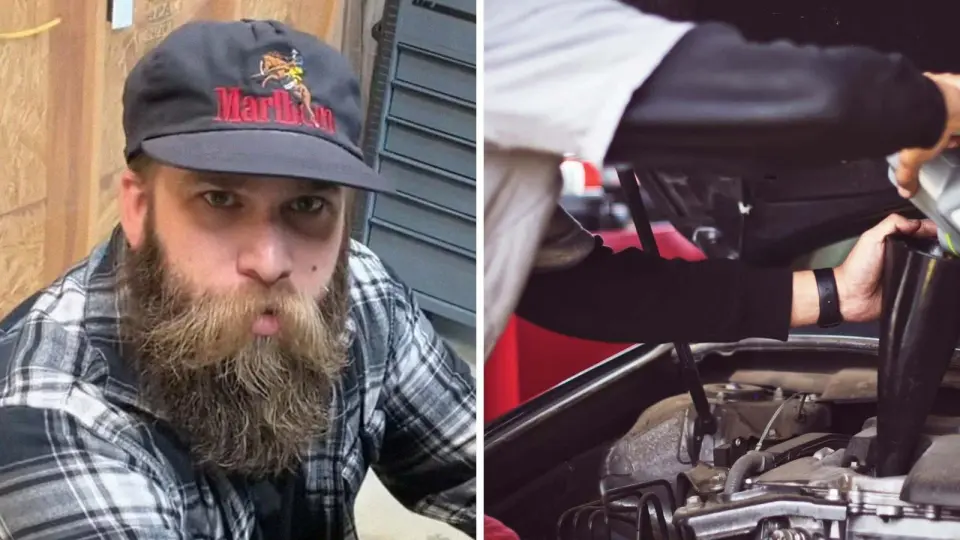
A viral TikTok by mechanic Tyler Wesley promotes a multi-step 'Japanese oil change' involving two filters and fresh oil cycles, claiming it enables engines to reach 600,000 miles. While the method leverages warm oil drainage and detergent properties, experts note it lacks official manufacturer endorsement and risks overfilling or sludge clogging.
Key points
- Mechanic Tyler Wesley, with 20 years of experience, describes a process where fresh oil is added to hot engines to loosen contaminants before draining.
- The technique involves two complete oil changes and filter replacements, with a 15-20 minute drive between steps to circulate the new oil.
- Wesley cites anecdotal evidence that this method allows basic four-cylinder engines to reach 600,000 miles, a claim he admits sounds ridiculous.
- Standard maintenance advice warns against overfilling engines, as Toyota specifically cautions against exceeding dipstick levels, which the initial step of the viral method may cause.
- Experts note that while warm oil drains better, aggressively loosening sludge can clog oil pickup screens, contradicting the viral method's approach.
Background
This story follows earlier coverage in September 2026 that questioned whether the Japanese oil change is a genuine practice or a social media myth. Previous analysis highlighted that while warm oil aids drainage, mainstream guidance favors conventional drain-filter-fill routines to avoid risks like clogging. The current report expands on these concerns by detailing the specific steps of the viral method and noting the lack of evidence that Japanese automakers endorse this technique.
Why it matters
The viral trend highlights how social media can amplify niche maintenance practices into widespread myths, potentially leading consumers to adopt risky procedures that deviate from manufacturer recommendations. Understanding the difference between anecdotal claims and established engineering standards is crucial for vehicle longevity and safety.
What to watch
Mechanic Tyler Wesley has proposed testing the method to observe the oil's condition, though no official results have been published. The automotive community continues to debate the efficacy of the technique, with most experts maintaining that conventional oil change intervals remain the safest standard for most vehicles.
Want the full story? Read the original reporting
Read on motor1.com