
California Launches MyFirstEV Program with $3,500 Instant Rebates for Tesla, Hyundai, and Lucid
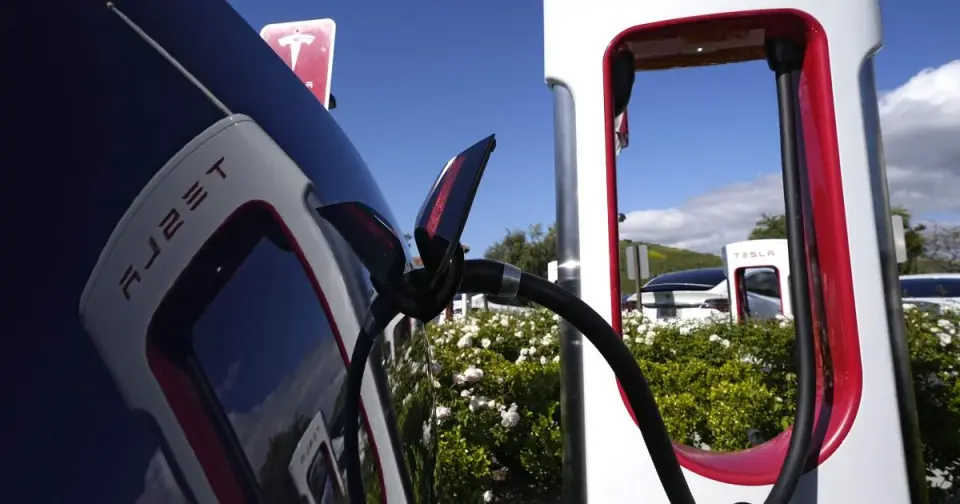
California’s MyFirstEV program officially launched on August 7, 2026, offering first-time buyers a $3,500 instant discount on new electric vehicles and $1,750 on used ones. The initiative, funded by $135.5 million in state money matched by automakers, aims to offset the loss of federal tax credits. Initial participation includes Tesla, Hyundai, and Lucid, with other major manufacturers joining later this year. The program is administered by the California Air Resources Board and applies to vehicles under specific price caps, with exceptions for California-headquartered companies.
Key points
- Gov. Gavin Newsom announced the rollout of the MyFirstEV program on August 7, 2026, at a press conference in Oakland.
- The program provides a $3,500 instant rebate for new zero-emission vehicles (ZEVs) and $1,750 for used ZEVs, applied directly at the point of sale.
- Eligibility is restricted to first-time EV buyers or lessees; plug-in hybrids are excluded.
- New vehicles must have a manufacturer’s suggested retail price of $50,000 or less, while used vehicles must cost $25,000 or less.
- An exception allows buyers of vehicles from California-headquartered companies (such as Lucid and Rivian) to qualify regardless of price.
- The state investment of $135.5 million is matched dollar-for-dollar by participating automakers, totaling $271 million in incentives.
Background
This development follows the elimination of the federal $7,500 EV tax credit by the Trump administration in 2025. California had previously reserved funds for EV incentives, including a specific allocation for Tesla’s trucking industry, but the MyFirstEV program represents a broader consumer-focused strategy. Earlier reports indicated that the program’s price cap would disadvantage some California-based manufacturers, but the current rollout confirms the exemption for companies headquartered in the state. The initiative is part of a larger $600 million clean transportation package in the 2026-2027 budget, which also funds clean bus and truck vouchers and heavy-duty engine replacements.
How outlets are covering it
While all sources confirm the core details of the rebate, they emphasize different aspects. The Los Angeles Times focuses on the immediate availability for Tesla, Hyundai, and Lucid, noting that the rebate effectively returns 4% to 7% of the purchase price. CBS News highlights the political context, framing the program as a direct response to federal cuts and emphasizing Newsom’s rhetoric about 'economic security' and independence from fossil fuels. The Mercury News provides a detailed breakdown of the rollout schedule and notes that the funds may run out by the end of 2026, given current sales rates. The California State Portal expands the narrative beyond the rebate, linking it to California’s record battery storage capacity and solar energy growth, positioning the EV incentive as part of a broader clean energy leadership strategy. There is no disagreement on the facts, but the framing varies from consumer savings to political symbolism to environmental infrastructure.
Why it matters
The MyFirstEV program is critical for maintaining California’s lead in electric vehicle adoption after the loss of federal incentives. With EV sales slowing due to the removal of the $7,500 federal tax credit, this state-level intervention aims to keep EVs affordable for first-time buyers. The program also supports California’s air quality goals, as transportation accounts for 60% of the state’s smog-forming pollution. By offering instant discounts at the point of sale, the state removes the bureaucratic hurdles associated with tax credits, potentially accelerating adoption. However, the limited funding pool of $135.5 million may not sustain the program through the year, creating a race for early adopters. Additionally, the price cap and California-headquartered exemptions create a tiered system that favors certain manufacturers, potentially influencing market dynamics and consumer choice.
What to watch
Consumers should monitor the MyFirstEV program webpage for updates on participating automakers, as Ford, Rivian, Chevrolet, and Kia are expected to join in August. Buyers must ensure they meet the first-time buyer criteria and that their vehicle falls within the price caps, unless they are purchasing from a California-headquartered company. The California Air Resources Board will manage the distribution of funds, which are expected to be depleted by the end of 2026 based on current sales trends. Further developments may include potential adjustments to the program if funds run out early, or additional legislative actions to extend the incentives. The ongoing lawsuit regarding California’s 2035 ban on new gasoline vehicles may also influence the long-term trajectory of EV adoption in the state.
- California’s instant EV rebates are now available for these three brands Los Angeles Times
- Newsom announces rollout of California's $3,500 EV rebate for first-time buyers CBS News
- California announces new $3,500 rebates for electric vehicles. Here’s how to get one. The Mercury News
- Governor Newsom announces $3,500 instant rebates now available for Californians buying their first zero-emission vehicle California State Portal | CA.gov
- Newsom announces instant rebate for first-time ZEV car buyers KRON4
Want the full story? Read the original reporting
Read on Los Angeles Times