
BBB Warns: Tap-to-Pay Donations Are a New Vector for Bank Account Theft
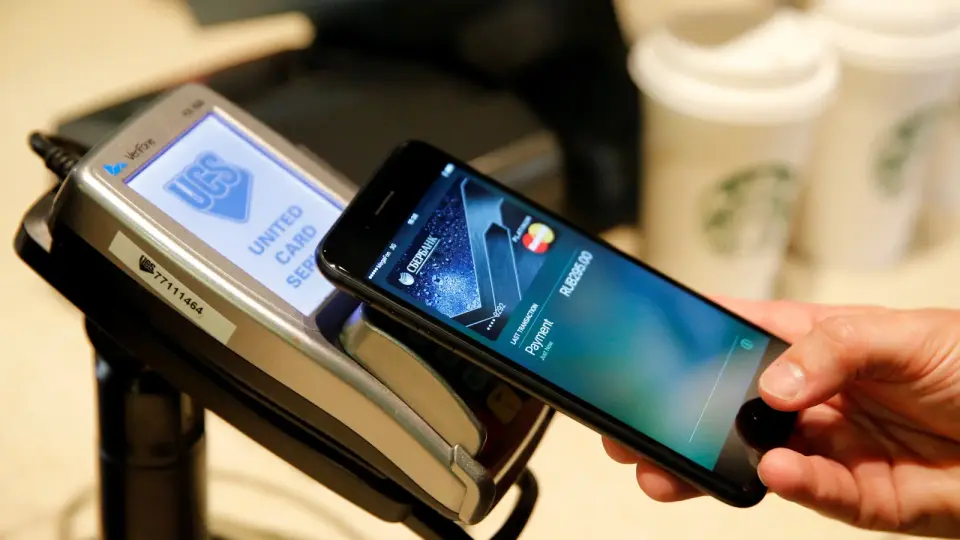
The Better Business Bureau is alerting consumers to a rising trend in tap-to-pay scams where individuals are tricked into donating large sums to fake charities. Scammers exploit the speed and convenience of mobile payments by setting high amounts on card readers while verbally quoting low prices. Experts advise verifying the amount on the screen before tapping, refusing to hand over devices, and using credit cards for better fraud protection.
Key points
- The Better Business Bureau warns that tap-to-pay scams are increasingly used to steal money directly from bank accounts via fake donation requests.
- A 29-year-old woman in Michigan lost $1,000 after tapping her iPhone for what she believed was a $50 donation, as the device was pre-set to the higher amount.
- Scammers often pressure victims to act quickly, distract them, or insist on tap-to-pay only, refusing cash or other payment methods.
- Experts recommend a 'gut-check' routine: read the screen carefully, match verbal claims to digital displays, and never let a stranger hold your phone or card.
- Credit cards offer stronger fraud protections than debit cards or peer-to-peer apps, making them safer for online or uncertain transactions.
- If a charge appears incorrect, consumers should immediately contact their bank or card issuer to dispute the transaction.
Background
This development follows a broader trend of evolving financial fraud tactics. In July 2026, reports highlighted how Chinese-organized crime rings were exploiting tap-to-pay systems to purchase gift cards for laundering, while earlier in the year, CBS News reported on sophisticated phone scams targeting bank customers. Additionally, concerns over low-tech fraud like check-washing have prompted a shift toward digital payment security. The current warning from the Better Business Bureau adds to a growing list of consumer alerts regarding the vulnerabilities inherent in modern, fast-paced payment methods.
Why it matters
As mobile payments become the default for everyday transactions, the ease of use creates a significant security gap. Scammers are leveraging the trust and speed associated with tap-to-pay to bypass traditional verification steps. This shift means that standard consumer habits, such as quickly tapping a phone for small donations, can result in substantial financial loss. Understanding these specific tactics is crucial for protecting personal funds in an increasingly digital financial landscape.
What to watch
Consumers are advised to adopt stricter verification habits, such as requiring their phone to be unlocked for payments or disabling tap-to-pay when not in use. Financial institutions may continue to enhance transaction limits and fraud detection algorithms. Individuals who fall victim to these scams should act quickly to dispute charges and report the incident to their bank, as prompt action is critical for recovery.
Want the full story? Read the original reporting
Read on USA Today