
Oakland Victim Loses $12,145 in Schwab Impersonation Scam
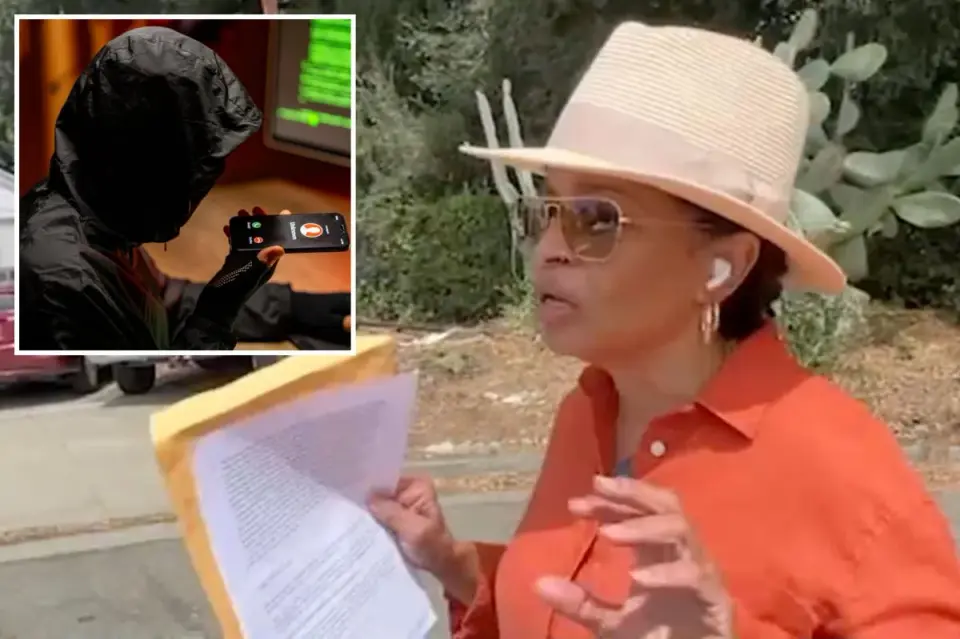
Jazz Powell-Loggins, an Oakland resident, lost her entire life savings of $12,145 after answering a frantic phone call from an individual impersonating a Charles Schwab representative. The scammer claimed unauthorized activity was occurring on her account, creating a sense of urgency that distracted her while the funds were wire-transferred to a bank in Ohio. Powell-Loggins, who is currently on disability leave and caring for a husband with cancer, stated she did not provide any personal information or verification codes during the call. Charles Schwab denied her compensation request, asserting that she had shared a verification code with a third party, a claim she disputes. She has contacted the police and FBI and plans to pursue arbitration. Security experts suggest the call may have been a diversionary tactic while the attacker brute-forced her account or exploited short PIN vulnerabilities.
Key points
- Jazz Powell-Loggins received a phone call from an unknown number where the caller screamed about unauthorized attempts to sell money from her account.
- The caller identified himself as a Charles Schwab representative and used high-pressure tactics to induce panic.
- Powell-Loggins hung up to take a call from her doctor, and two minutes later discovered $12,145 had been wire-transferred out of her account.
- The funds were sent to a bank in Ohio, according to ABC 7 reporting.
- Charles Schwab denied her appeal for compensation, stating she provided a verification code to a third party, which Powell-Loggins denies.
- Powell-Loggins is currently on disability leave due to a workplace injury and is caring for her husband, who is battling cancer.
Background
This incident highlights the ongoing risks of imposter fraud in financial services. Recent local news has covered other scams in the Bay Area, including a case where individuals posed as an NFL player to defraud women, and warnings about fake Chrome update prompts that deliver malware. These events underscore the need for vigilance against social engineering tactics that exploit urgency and trust.
Why it matters
This case illustrates the severe financial and emotional impact of sophisticated phone scams on vulnerable individuals. It also raises questions about the liability of financial institutions when they deny compensation to victims who claim they did not share sensitive information. The incident underscores the importance of robust security measures and consumer protection in the face of growing imposter fraud.
What to watch
Powell-Loggins plans to pursue arbitration to recover her losses. She has also contacted law enforcement, including the FBI, to investigate the scam. Charles Schwab has not indicated any change in its stance regarding compensation, but the case may lead to further scrutiny of their security protocols and customer support processes.
Want the full story? Read the original reporting
Read on New York Post