
Volkswagen to Sell Osnabrück Plant to Israeli Defense Consortium for Iron Dome Production
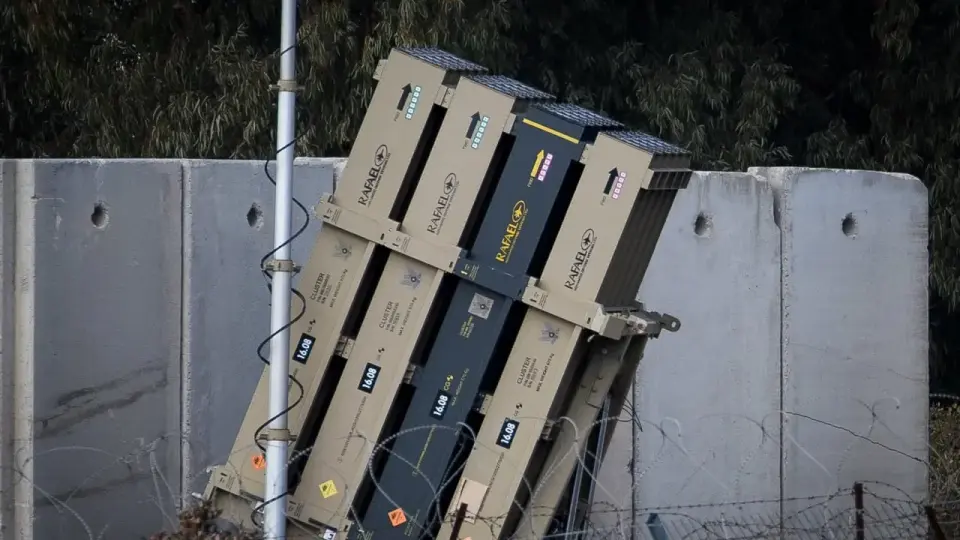
Volkswagen has agreed to sell its Osnabrück car plant to the German state of Lower Saxony and Israeli investment firm Aurelius Capital. The site will be converted into a defense production center for Rafael Advanced Defense Systems, manufacturing Iron Dome components like launchers and generators, though not the interceptors themselves. The deal, valued at approximately €200 million, aims to preserve jobs and bolster European defense capabilities amid Volkswagen's major restructuring.
Key points
- Volkswagen, Lower Saxony, and Aurelius Capital signed a letter of intent to purchase the Osnabrück plant, which currently employs 2,300 workers.
- The facility will produce Iron Dome support equipment, including military vehicles, launchers, and generators, starting after Volkswagen exits in late 2027.
- The deal follows a change in direction from an initial plan for Volkswagen to cooperate directly with Rafael, which was blocked by Qatar, Volkswagen's largest foreign shareholder.
- The transaction is part of a broader European effort to rearm, with Germany's defense budget set to rise by a third to €109.7 billion next year.
- The agreement is the second time Israel's Iron Dome system has been sold to a European country, following the Arrow 3 system.
Background
This development follows Volkswagen's announcement of its 'Future Plan 2030,' which includes cutting 50,000 jobs and halving its model range to address competition from Chinese electric vehicle makers. The Osnabrück plant was slated for closure in 2027 as part of this restructuring. Germany has also recently purchased Israel's Arrow 3 missile defense system in a $3.5 billion deal, reflecting a broader trend of European nations seeking to enhance their defense capabilities through partnerships with Israeli firms.
How outlets are covering it
The Jerusalem Post emphasizes the strategic shift in the deal, noting that Qatar's opposition to the initial Volkswagen-Rafael cooperation led to the current arrangement with Aurelius Capital. It highlights the German government's ability to move forward despite Qatar's stance. CNN focuses on the economic and industrial implications, framing the deal as a blueprint for repurposing other Volkswagen plants at risk of closure. CNN also highlights the potential to save nearly 1,400 jobs at the site and the broader context of Europe's rearmament efforts, including Germany's increased defense budget. Both outlets agree on the core facts but differ in their emphasis, with JPost focusing on the geopolitical and defense aspects and CNN on the economic and industrial transition.
Why it matters
The deal represents a significant step in Europe's efforts to strengthen its defense capabilities and reduce reliance on external suppliers. It also demonstrates how major automotive companies are adapting to changing market conditions by repurposing facilities for defense production. The agreement could have broader implications for the automotive industry, as it provides a model for other companies facing similar challenges. Additionally, it underscores the growing importance of defense technology in European security and economic policy.
What to watch
The consortium will hold detailed negotiations and assess regulatory requirements to finalize the deal. Volkswagen is expected to exit the Osnabrück site in the second half of 2027, after which the facility will be converted into a defense production center. The deal could serve as a model for other Volkswagen plants at risk of closure, potentially influencing future decisions regarding the fate of other facilities such as Emden, Hanover, Zwickau, and Ingolstadt.
- Rafael, Aurelius to build Iron Dome components at former Volkswagen plant in Germany's Lower Saxony The Jerusalem Post
- Volkswagen strikes deal with Israel investment firm to turn car plant into defense facility | CNN Business cnn.com
- Volkswagen Factory to Become Defense Plant in Deal With Israel’s Aurelius WSJ
- Volkswagen finds defence future for German plant amid major overhaul Reuters
- Qatar veto bypassed as Iron Dome production deal signed at German Volkswagen plant Ynetnews
Want the full story? Read the original reporting
Read on The Jerusalem Post