
U.S. Drone Program Awards Top Slots to American Firms as Ukrainian Makers Miss the Cut
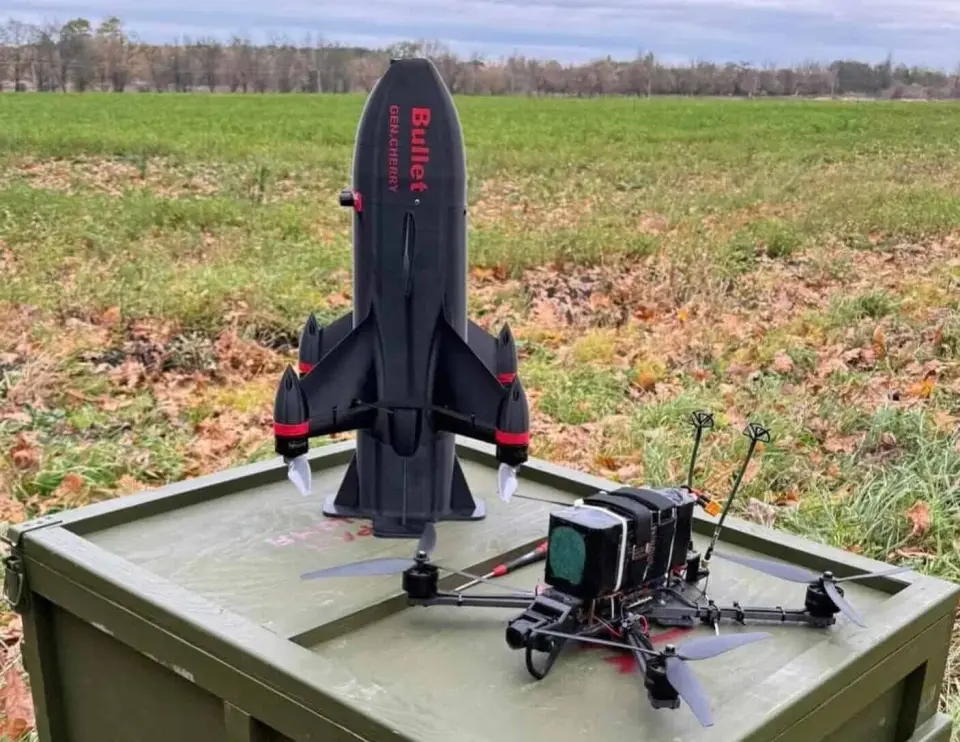
The U.S. Department of War’s $1.1 billion Drone Dominance Program awarded top slots in its Gauntlet II evaluation to American firms, with Perennial Autonomy winning the deep-strike category and Neros Technologies leading close-quarters combat. Ukrainian drone makers, despite battle-tested experience, failed to place in the top five due to bureaucratic hurdles, including export licenses and non-Chinese component requirements. While Ukrainian technology influenced some winners, direct Ukrainian firms missed the cut, though they may compete in future rounds.
Key points
- Perennial Autonomy won the deep-strike category with 80.1 points, followed by Hyperscale at 70.9 points.
- Neros Technologies topped the close-quarters category with 88.1 points and placed third in deep-strike with 69.8 points.
- Ukrainian firms F-Drones, General Chereshnya, Grim Tech, and Stellarion missed the top five in both categories.
- The program requires 120 production-ready drones with non-Chinese components, a hurdle for Ukrainian firms.
- Gauntlet 2.5 for bomber drones is set for October, with Gauntlet 3 beginning in February 2027.
Background
Ukraine’s drone industry has gained global attention for its rapid innovation in FPV and long-range drones, particularly during the war with Russia. However, U.S. procurement rules, such as the National Defense Authorization Act (NDAA), restrict direct purchases from foreign firms, requiring Ukrainian companies to establish U.S. legal entities and comply with strict supply chain requirements. Previous U.S. drone programs, like Gauntlet I, saw Ukrainian technology indirectly influence winners, but direct Ukrainian participation has been limited by bureaucratic and logistical challenges.
How outlets are covering it
Euromaidan Press emphasizes the bureaucratic hurdles Ukrainian firms faced, including export licenses and visa delays, while noting that some Ukrainian technology won under Western partners. DroneXL highlights the dominance of American firms and the impact of non-Chinese component requirements, noting that Ukrainian firms missed the cut but may compete in future rounds. Defence Industry Europe focuses on Perennial Autonomy’s victory and its connection to Ukraine’s drone industry, while Geosirius emphasizes the operational realism of the Gauntlet II evaluation and the importance of domestic supply chains.
Why it matters
The Drone Dominance Program’s outcomes highlight the U.S. military’s push for rapid, cost-effective drone acquisition while ensuring supply chain resilience. The exclusion of Ukrainian firms, despite their battle-tested experience, raises questions about the balance between innovation and bureaucratic compliance. Future rounds may test whether Ukrainian firms can adapt to U.S. requirements, potentially influencing the global drone market and U.S.-Ukraine defense cooperation.
What to watch
Gauntlet 2.5 for bomber drones is set for October, with Gauntlet 3 beginning in February 2027. Ukrainian firms may re-enter future rounds, while American firms like Neros and Perennial Autonomy will advance to later phases. The program aims to field over 200,000 small drones by 2027, with order sizes to be determined at contract award.
- Defender Media: Ukraine's battle-tested drone makers reach no top slot in Pentagon's $1.1 billion Drone Dominance program, but some Ukrainian technology wins anyway Euromaidan Press
- Drone Startups Backed By Eric Schmidt and the Trump Family Win the Pentagon’s Latest Competition theinformation.com
- Perennial Autonomy beats 10 rivals to win U.S. Department of War deep-strike drone trial after delivering 120 production-ready aircraft Defence Industry Europe
- Neros Makes Both Pentagon Gauntlet II Boards As Skycutter Falls To 4th dronexl.co
- How Five Defense Tech Firms Are Winning The Billion Dollar D geosirius.ifz.ru
Want the full story? Read the original reporting
Read on Euromaidan Press