
Federal THC Ban Threatens Wisconsin Cannabis Industry and National Beverage Market
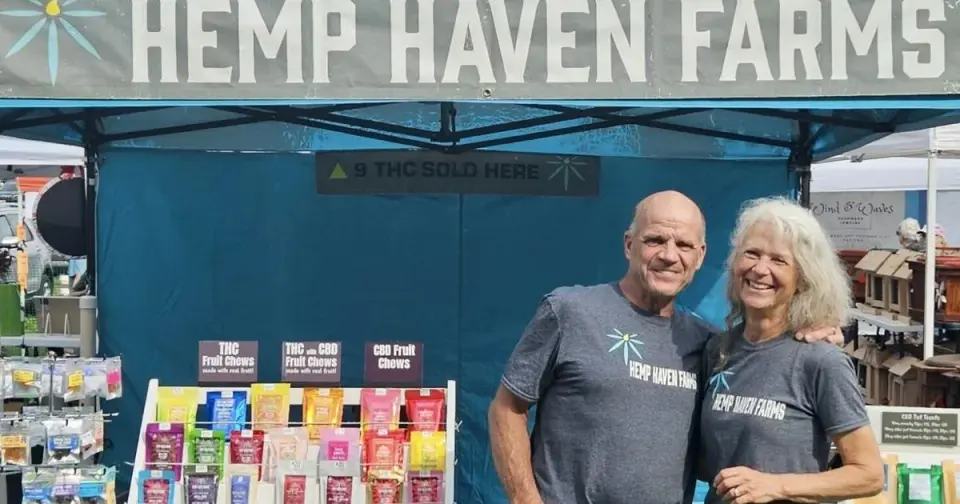
A new federal law taking effect on December 11, 2026, will impose a strict 0.4 mg THC limit on hemp-derived products, effectively banning most cannabis goods in Wisconsin and disrupting the national beverage market. This regulation threatens to close dozens of Madison-area shops, eliminate thousands of jobs, and force businesses to pivot or shut down.
Key points
- The new federal threshold of 0.4 mg of THC per container will render most current hemp-derived products illegal in Wisconsin, where no state legislation legalizes cannabis.
- Wisconsin’s cannabis industry, valued at $700 million with over 3,500 jobs, faces significant disruption, with nearly 300 licensed hemp farms likely to cease operations.
- Local businesses like Hemp Haven Farms and Zoddies are preparing for closure or pivoting to CBD-only products, while others like Higher Ideal have already closed.
- The ban impacts the national market, with THC beverages generating over $1 billion in annual revenue, causing a rift between alcohol producers and beverage retailers.
- Advocacy groups and some political candidates in Wisconsin are pushing for legalization, but the December 11 deadline remains firm for most businesses.
Background
The current regulatory landscape stems from the 2018 federal farm bill, which legalized hemp cultivation but created a loophole for high-THC variants like delta-8. This allowed a $700 million industry to develop in Wisconsin, despite state-level prohibitions on cannabis. The upcoming federal law closes this loophole by regulating all THC types, creating a conflict between federal restrictions and state-level legalization in neighboring states like Minnesota and Illinois.
How outlets are covering it
Channel 3000 emphasizes the local impact on Wisconsin small businesses, highlighting the loss of livelihoods and the emotional toll on owners like the Sayers and Wynn. The Financial Times focuses on the national economic conflict, noting that alcohol producers support the ban to stop competition, while beverage retailers fear losing a fifth of revenues. WMTW highlights the specific impact on Maine’s brewing industry, where craft breweries used THC drinks to adapt to declining beer consumption. All sources agree on the December 11 deadline and the 0.4 mg limit, but differ in their focus: local economic survival versus national market dynamics.
Why it matters
The ban threatens to eliminate thousands of jobs and disrupt a $700 million industry in Wisconsin alone, while also reshaping the national beverage market. It highlights the tension between federal regulation and state-level cannabis policies, potentially driving cross-border consumption and forcing businesses to pivot or close. The decision impacts not just cannabis businesses but also the broader alcohol and beverage industry, with significant economic consequences for producers, retailers, and consumers.
What to watch
Businesses in Wisconsin and other states are preparing for the December 11 deadline by discounting products, pivoting to CBD, or closing. Advocacy groups like the Wisconsin Coalition for Cannabis Reform are lobbying for state-level legalization, while some political candidates have promised to push for cannabis legalization. Consumers may cross state lines to access THC products, and the federal government may need to establish a new regulatory framework for hemp-derived products post-ban.
- Why many Madison cannabis shops are about to disappear Channel 3000
- Cannabis drinks boom sparks rift in US alcohol industry Financial Times
- An Existential Threat to THC Drinks Pits Willie Nelson Against Mitch McConnell Bloomberg.com
- Maine brewers can make hemp drinks the right way. Congress is about to stop us. | Opinion Portland Press Herald - Maine Sunday Telegram
- Maine's THC drink ban is coming Dec. 11. Here's what to know WMTW
Want the full story? Read the original reporting
Read on Channel 3000