
Student Loan Borrowers Face Critical Deadline as SAVE Plan Transition Hits Technical Glitches
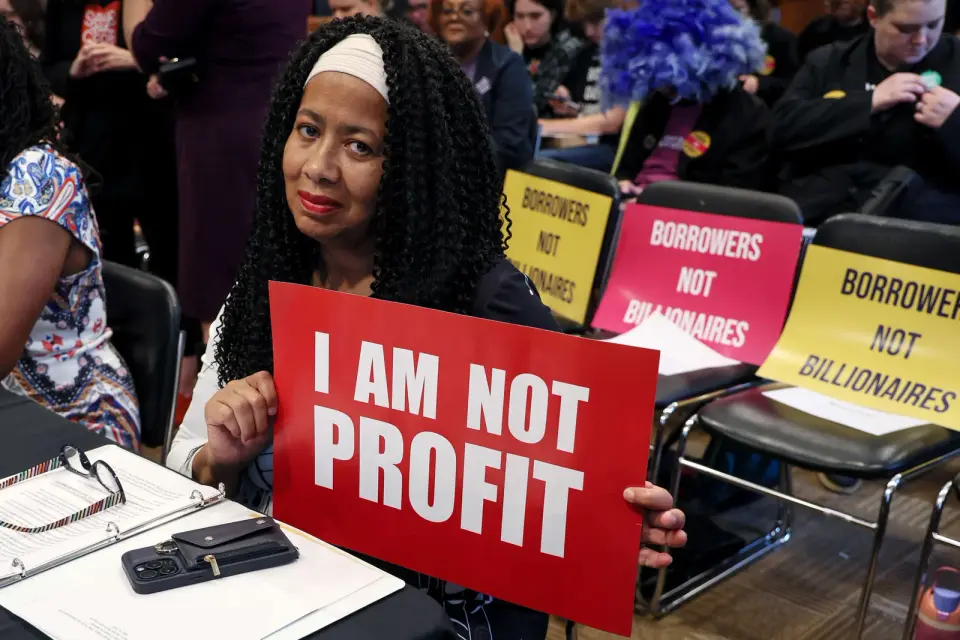
The first wave of student loan borrowers faces a mandatory transition deadline on September 29, 2026, following the Trump administration's termination of the Biden-era SAVE repayment plan. Approximately 7 million Americans must switch to new plans, with 1.5 million having already left SAVE as of September 14. Borrowers are being pushed toward the Repayment Assistance Plan (RAP) or the more expensive Standard Repayment Plan. However, the transition is marked by severe technical failures, including application screens that load indefinitely and incorrect payment counts. Organizers and state ombudsmen are demanding a halt to collections and wage garnishments until the system is stabilized, citing widespread financial distress and health impacts among debtors.
Key points
- The 90-day transition clock for the first wave of borrowers, notified on July 1, 2026, expires on September 29.
- Borrowers who do not select a new plan will be automatically enrolled in the Standard Repayment Plan, the most expensive option.
- The Department of Education recommends the Repayment Assistance Plan (RAP), but many borrowers report technical errors preventing application submission.
- 1.5 million borrowers have already left the SAVE plan as of September 14, 2026.
- A coalition of 89 organizations and state ombudsmen are demanding an emergency hearing and a pause on collections due to operational failures.
- Borrowers report that some were mistakenly quoted $50 monthly payments before being told the actual amount was hundreds of dollars higher.
Background
The termination of the SAVE plan followed two years of legal challenges by GOP-led states, which argued that the Biden administration lacked the authority to create the plan. The new RAP plan is intended to replace SAVE, but the transition has been complicated by the introduction of a new Trump-era repayment structure. Previous coverage noted that the administration had already begun restarting loan collections and wage garnishments for the first time since 2020, signaling a shift toward stricter enforcement of student debt obligations.
How outlets are covering it
Truthout emphasizes the human impact of the policy change, highlighting that borrowers like Jacqueline Wheelock face unaffordable payment increases that threaten their basic needs. They cite a survey showing 74% of respondents are living paycheck to paycheck and 32% have avoided medical treatments due to financial stress. Truthout frames the situation as a systemic failure, with the Department of Education providing contradictory information and failing to resolve errors in payment counts. Business Insider focuses on the technical and administrative aspects of the transition, noting that some borrowers are unable to submit RAP applications due to 'system glitches' and that the paper application is not yet updated. Business Insider reports that the Department of Education is unaware of widespread technical issues, contrasting with the experiences of borrowers who have been trying for over a month to submit applications. Both sources agree that the transition is causing significant hardship, but Truthout places greater emphasis on the broader social and health consequences, while Business Insider focuses on the logistical breakdowns in the application process.
Why it matters
The forced transition from the SAVE plan to more expensive repayment options is creating a financial crisis for millions of Americans, with potential consequences including wage garnishment, credit score reductions, and loss of Social Security income. The technical failures in the application process are exacerbating the problem, leaving borrowers unable to make informed decisions about their debt. The situation highlights the broader impact of student loan policy on the financial stability and health of borrowers, and the need for immediate corrective action from the Department of Education and Congress.
What to watch
Borrowers who do not switch to a new plan by September 29 will be automatically enrolled in the Standard Repayment Plan. The Department of Education is expected to release an updated paper application for RAP later this week. An ongoing lawsuit may result in a court ruling that could reinstate the SAVE plan or another older repayment plan. The coalition of 89 organizations and state ombudsmen are pushing for an emergency hearing and a pause on collections until the operational failures are resolved. Servicers plan to send all remaining notices to borrowers by the end of 2026.
- Trump’s Dismantling of Student Loan Aid Is Crashing Down on Debtors This Week Truthout
- Federal student loan borrowers: Sept. 30 deadline for autopay discount, FAFSA 2027-28 now open WTHR
- Student Loan Borrowers Can Get 1% Interest Rate Cut But Must Act By Wednesday: Here’s How Forbes
- Just days left for student loan borrowers to get interest rate discount for making this one change WCNC
- Student-loan borrowers face a major deadline for switching repayment plans this week businessinsider.com
Want the full story? Read the original reporting
Read on Truthout