
Shell-led consortium approves $23B LNG Canada expansion, doubling output to 28 million tons
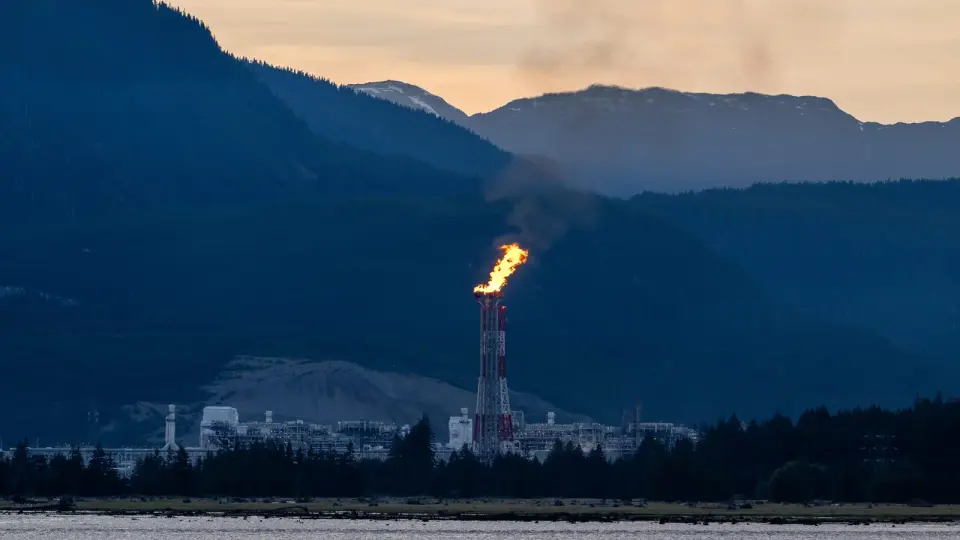
Shell has finalized the investment decision to expand the LNG Canada project in Kitimat, British Columbia, doubling production capacity to 28 million metric tons per year. The move, backed by a $23.2 billion private investment, positions Canada as a major global energy exporter and supports Prime Minister Mark Carney’s strategy to diversify trade away from the United States.
Key points
- Shell-led consortium reached a final investment decision to expand LNG Canada Phase 2, doubling capacity from 14 to 28 million metric tons per year.
- The expansion is expected to attract $33 billion in private capital and create thousands of jobs in Canada.
- Commercial operations for the expanded facility are set to begin in the early 2030s, targeting Asian markets.
- The project aligns with Prime Minister Mark Carney’s goal to make Canada an 'energy superpower' and reduce reliance on the U.S.
- Global energy security concerns, driven by the U.S.-Iran conflict and reduced Russian gas supplies, have increased demand for alternative LNG sources.
Background
Canada has been actively diversifying its trade relationships to mitigate the impact of U.S. tariffs, as noted in recent coverage of Carney’s efforts to strengthen ties with the EU and India. The government has also been pitching Canada to global investors as a stable energy partner, with the LNG Canada expansion serving as a key example of this strategy. Earlier reports highlighted the project’s potential to attract significant private investment and its role in bolstering Canada’s economic resilience against U.S. trade pressures.
How outlets are covering it
CNBC emphasizes the strategic importance of the expansion for Shell’s global LNG portfolio and its role in securing energy supplies for Asia. The Globe and Mail highlights the broader geopolitical context, noting that the U.S.-Iran war and European efforts to reduce Russian gas dependence have created opportunities for Canada. Both outlets agree that the project supports Carney’s push to diversify trade away from the U.S., but The Globe and Mail places greater emphasis on the immediate market disruptions driving demand for alternative LNG sources.
Why it matters
The expansion solidifies Canada’s position as a leading LNG exporter, providing a critical alternative to disrupted global supply chains. It also strengthens Canada’s economic independence from the U.S. and supports Shell’s goal to become the world’s leading integrated gas and LNG business. The project’s success could influence future energy investments in Canada and shape global energy security dynamics.
What to watch
Commercial operations for the expanded LNG Canada facility are expected to begin in the early 2030s. The project will likely face ongoing scrutiny regarding Indigenous community engagement and environmental impacts, as seen in previous pipeline developments. Further announcements on related infrastructure, such as the Coastal GasLink pipeline expansion, may follow.
- Shell backs $23 billion LNG Canada expansion in boost to Carney's ‘energy superpower’ push CNBC
- LNG Canada expansion gets go-ahead, as Carney set to highlight 'historic investment' in Canadian energy CBC
- Shell to Double Production Capacity at LNG Canada WSJ
- Shell-led LNG Canada greenlights Phase 2 expansion, doubling export capacity Reuters
- LNG Canada partners expected to green-light multibillion-dollar expansion Tuesday The Globe and Mail
Want the full story? Read the original reporting
Read on CNBC