
Report: Trump Administration Propped Up 90 US Coal Plants via Subsidies and Pollution Waivers
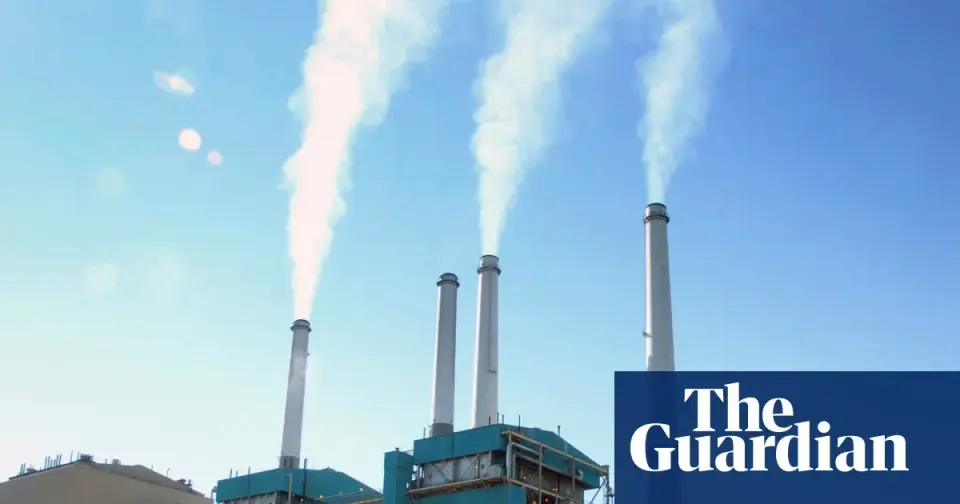
A new analysis by the Environmental Defense Fund (EDF) reveals that the Trump administration has provided support to 90 of the 184 operating coal plants connected to the US grid. This support includes $950 million in taxpayer funds, Clean Air Act exemptions for 70 plants, and mandates for six plants to remain online past their scheduled retirement dates. Critics argue these measures increase electricity costs and pollution, while the administration claims they ensure grid reliability and prevent premature plant closures.
Key points
- EDF found that 90 of 184 grid-connected coal plants received federal support, including cash handouts, pollution exemptions, and operational mandates.
- The administration provided $950 million in taxpayer dollars to 24 plants and granted Clean Air Act exemptions to 70 plants, allowing them to bypass 2024 Mercury and Air Toxics Standards.
- Specific plants, such as Colstrip in Montana and WA Parish in Texas, received exemptions despite community concerns over toxic emissions and premature deaths linked to particulate matter.
- The White House defended the actions, stating they saved over 17 gigawatts of power and prevented the retirement of plants that provided reliable, affordable energy.
- Coal generation costs rose 28% between 2021 and 2024, yet the administration continued to subsidize the industry, which is increasingly uncompetitive against natural gas and renewables.
Background
Coal’s share of US electricity generation has declined from over 50% to approximately 17% in 2025, as natural gas and renewables have expanded. Previous administrations focused on carbon capture and community transition funds, but the current administration has reversed course, using emergency orders and regulatory waivers to keep aging plants online. This shift occurs amid a broader trend of delayed coal retirements due to rising electricity demand and grid reliability concerns, though many plants remain economically unviable without federal support.
How outlets are covering it
The Environmental Defense Fund and Rice University researchers argue that the administration’s actions harm public health and increase electricity costs by prolonging the life of dirty, inefficient plants. They cite specific cases like the Colstrip plant, which releases mercury and arsenic, and the WA Parish plant, linked to 177 premature deaths annually. In contrast, the White House and Energy Secretary Chris Wright frame the support as necessary to maintain grid reliability and prevent energy cost spikes, claiming that Democratic policies previously shuttered reliable power sources. Industry advocates, such as America’s Power, have actively lobbied for these exemptions and operational mandates, arguing that compliance with new standards would be too costly and disrupt grid stability. Analysts note that while the administration’s support is widespread, the long-term economic viability of coal remains doubtful, with many plants likely to retire as 2028 approaches.
Why it matters
The federal support for coal plants has significant implications for public health, electricity costs, and environmental policy. By exempting plants from pollution standards and subsidizing their operation, the government is effectively subsidizing higher electricity bills and increased exposure to toxic emissions for communities near these facilities. This policy shift also signals a broader move away from environmental regulations, potentially delaying the transition to cleaner energy sources and impacting the US’s climate goals. As coal becomes increasingly uncompetitive, the sustainability of these subsidies and their impact on the energy market will be closely watched.
What to watch
The D.C. Circuit Court of Appeals has already struck down one attempt to force a Michigan coal plant to stay online, but the administration continues to issue orders for other plants. As 2028 approaches, analysts expect more utilities to request retirement dates for their coal plants, given the rising costs and lack of economic competitiveness. The long-term impact of the administration’s support on the coal industry and the broader energy market will depend on the durability of these subsidies and the pace of renewable energy adoption.
- Trump boosted half of US coal plants with taxpayer dollars and ‘free passes to pollute’, report says The Guardian
- The Last Coal Plants Still Running In America WorldAtlas
- How much are Trump’s pro-coal policies costing us? Canary Media
- EDF Tallies Cost of Trump’s Support for Coal Power RTO Insider
- The Trump Administration Is Buoying Nearly Half of All U.S. Coal Plants NOTUS
Want the full story? Read the original reporting
Read on The Guardian