
St. Lucie Unit 1 Halts Operations After Control Rods Drop Into Reactor Core
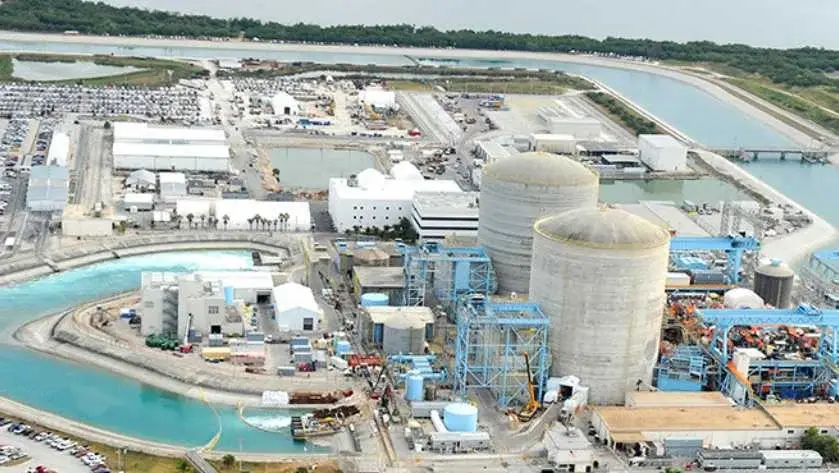
Florida Power & Light operators manually shut down Unit 1 at the St. Lucie Nuclear Power Plant on August 16, 2026, after three control rods unexpectedly dropped into the reactor core. The incident occurred at 9:47 a.m. while the unit was operating at 100% power. The Nuclear Regulatory Commission classified the event as a non-emergency, noting that all systems responded normally and the plant stabilized in Mode 3. Unit 2 continued operating without impact. The facility, which supplies roughly 11% of FPL’s power, is currently removing decay heat via turbine bypass valves.
Key points
- Unit 1 at St. Lucie was manually shut down at 9:47 a.m. on August 16, 2026, following the unexpected drop of three control rods into the reactor core.
- The Nuclear Regulatory Commission described the shutdown as uncomplicated, with all systems responding normally and the plant stabilizing in Mode 3.
- Decay heat is being managed by discharging steam to the main condenser using turbine bypass valves and main feedwater.
- Unit 2 at the St. Lucie site was not affected by the incident and continued operations.
- The NRC resident inspector was notified of the event, which was reported as a non-emergency.
Background
St. Lucie Nuclear Power Plant is located on 1,200 acres in Jensen Beach, Florida, and has operated since 1976 for Unit 1 and 1983 for Unit 2. The facility generates approximately 2,000 megawatts of electricity, serving over 1 million homes and businesses. In April 2026, the NRC renewed the operating license for Unit 1 through 2056 and Unit 2 through 2063. This incident follows a period of heightened attention to nuclear infrastructure resilience, as seen in Hungary’s shutdown of its Paks plant due to Danube drought conditions in early August 2026, which highlighted vulnerabilities in cooling systems for nuclear facilities.
Why it matters
The manual shutdown of a major nuclear unit, even when classified as non-emergency, underscores the critical role of control rod mechanisms in reactor safety. While the incident did not affect Unit 2 or result in an emergency, it highlights the operational risks associated with nuclear fission regulation. The event also serves as a reminder of the importance of robust emergency preparedness, as evidenced by the recent siren maintenance tests conducted by FPL in St. Lucie and Martin counties to ensure public alert systems function correctly in the event of an actual emergency.
What to watch
Operators are currently managing decay heat removal through turbine bypass valves and main feedwater. The NRC resident inspector has been notified and will likely monitor the plant’s return to normal operations. FPL is also conducting minor maintenance and testing on 92 emergency sirens across St. Lucie and Martin counties to ensure public alert systems are functional, with tests scheduled between 8 a.m. and 4:30 p.m. on Monday.
Want the full story? Read the original reporting
Read on wpbf.com