
Chevron CEO Mike Wirth warns Trump administration against diesel export ban amid global supply crunch
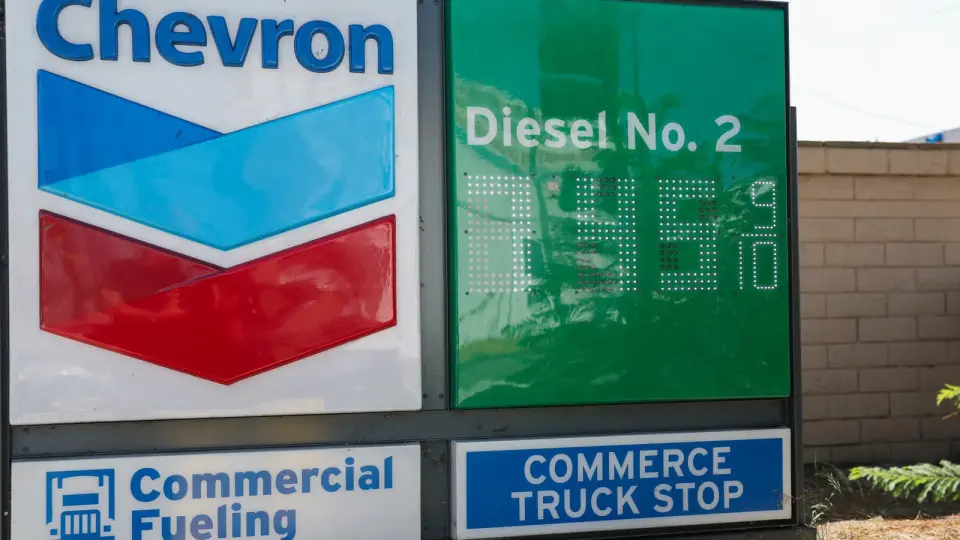
Chevron CEO Mike Wirth warned the Trump administration that a U.S. diesel export ban would be unwise, arguing it would remove supply from global markets and undermine confidence in American energy reliability. He noted that while recent Middle East crude exports and G7 stockpile releases have eased immediate fears, global inventories remain critically low after being drained over several months. Wirth emphasized that the energy system is now more vulnerable to disruption, particularly as the U.S.-Iran conflict continues to threaten shipping through the Strait of Hormuz. He also highlighted Chevron’s $7 billion investment plan to double oil production in Venezuela by 2031, though he acknowledged this long-term growth cannot offset current Middle East supply risks.
Key points
- Chevron CEO Mike Wirth stated that a U.S. diesel export ban would be unwise, risking worsened global supply pressures and damaging trust in the U.S. as a reliable energy partner.
- Wirth described the current global inventory position as 'very serious,' noting that commercial, strategic, and sanctioned oil buffers have been significantly drained over recent months.
- The U.S.-Iran war has disrupted shipping through the Strait of Hormuz, which typically handles 20% of global oil and LNG supplies, keeping energy markets on edge despite recent G7 stockpile releases.
- President Trump recently signed an executive order allowing the broader use of tax-exempt red-dyed diesel for truckers and farmers to help lower record-high fuel costs, deferring related taxes through the end of the year.
- Chevron plans to increase oil production in Venezuela to 600,000 barrels per day by 2031 through a $7 billion investment, but Wirth noted this long-term growth is dwarfed by current Middle East supply risks.
Background
In late September 2026, multiple outlets reported that the U.S. was seriously considering a 90-day diesel export ban to address record-high domestic fuel costs ahead of midterm elections. Goldman Sachs warned such a ban could eventually raise gasoline prices by $0.30 per gallon weekly due to refinery disruptions, while the UK and EU expressed concern over potential price spikes in Europe and Latin America. Farm-state Republicans pushed for the ban to help agriculture, but energy industry groups and administration officials cautioned it would reduce refining output and worsen global shortages. This debate occurred against a backdrop of rising Middle East tensions and depleted global oil inventories.
Why it matters
The debate over a diesel export ban highlights the tension between domestic political pressures and global energy stability. A ban could reduce U.S. refining output and disrupt global supply chains, potentially raising prices abroad and undermining alliances. Meanwhile, the ongoing U.S.-Iran conflict and depleted inventories make the global energy system highly vulnerable to further disruptions, with long-term solutions like increased Venezuelan production taking years to materialize.
What to watch
The Trump administration is likely to continue weighing options to lower domestic diesel costs, including the recent executive order on red-dyed diesel, while avoiding a full export ban. Energy markets will remain sensitive to developments in the U.S.-Iran conflict and Middle East shipping routes. Chevron’s expansion in Venezuela will take time to impact global supply, and other countries may monitor U.S. policy decisions closely to assess reliability as an energy partner.
- Chevron CEO warns against 'unwise' diesel export ban, saying it could make things worse CNBC
- EU States Expect Oil Release Will Just Enact Prior Pledges Bloomberg.com
- G-7 Agrees to Release 100 Million Barrels of Diesel and Crude WSJ
- IEA to meet Wednesday over proposed release of oil, diesel stocks, two EU diplomats say Reuters
- U.S. and Allies Agree to Release Diesel Reserves as Prices Soar The New York Times
Want the full story? Read the original reporting
Read on CNBC