Romania’s sole nuclear plant at Cernavodă is offline due to heat-driven low Danube water levels, with restart not expected for at least 10 days and about 20% of the country’s electricity supply at risk.
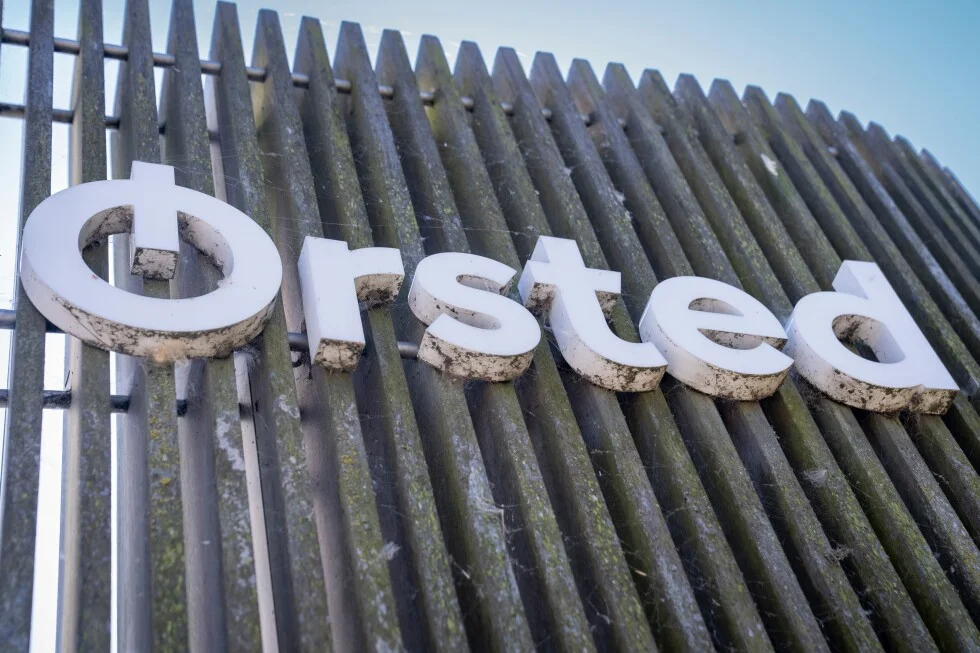
Offshore wind projects are being added to New England’s electric grid, expanding clean energy supply and helping secure the region’s power mix, with Ørsted and other developers playing key roles in boosting reliability and decarbonization.
European stock markets opened lower as fears of a prolonged energy disruption from the Middle East conflict weighed on sentiment, with Brent crude above $100 and WTI near $96 after sanctions waivers and reserves releases; Iran’s blocker of Hormuz kept supply concerns intact, while UK GDP was flat in January, Asian equities fell, and U.S. futures showed mixed moves.
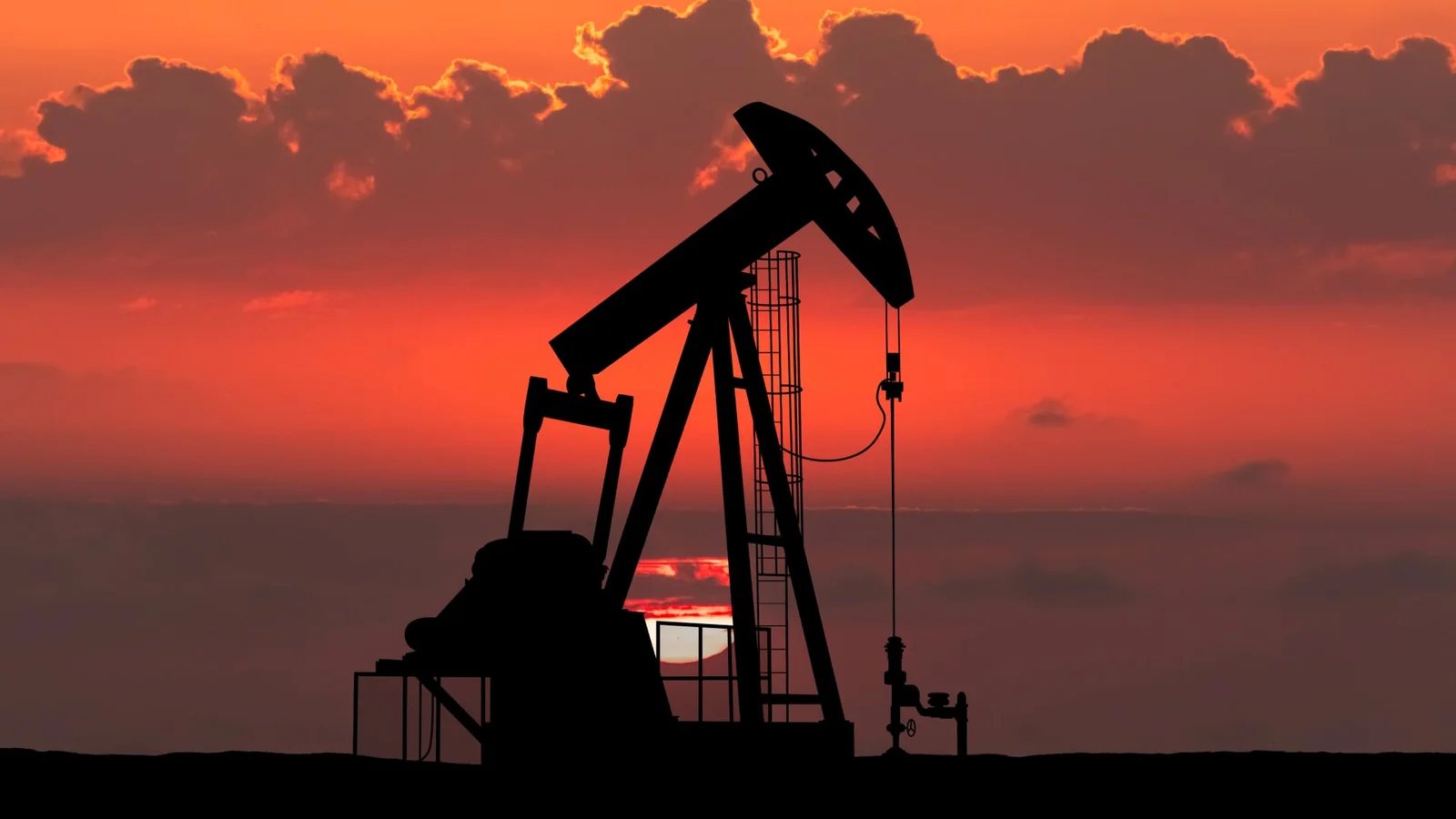
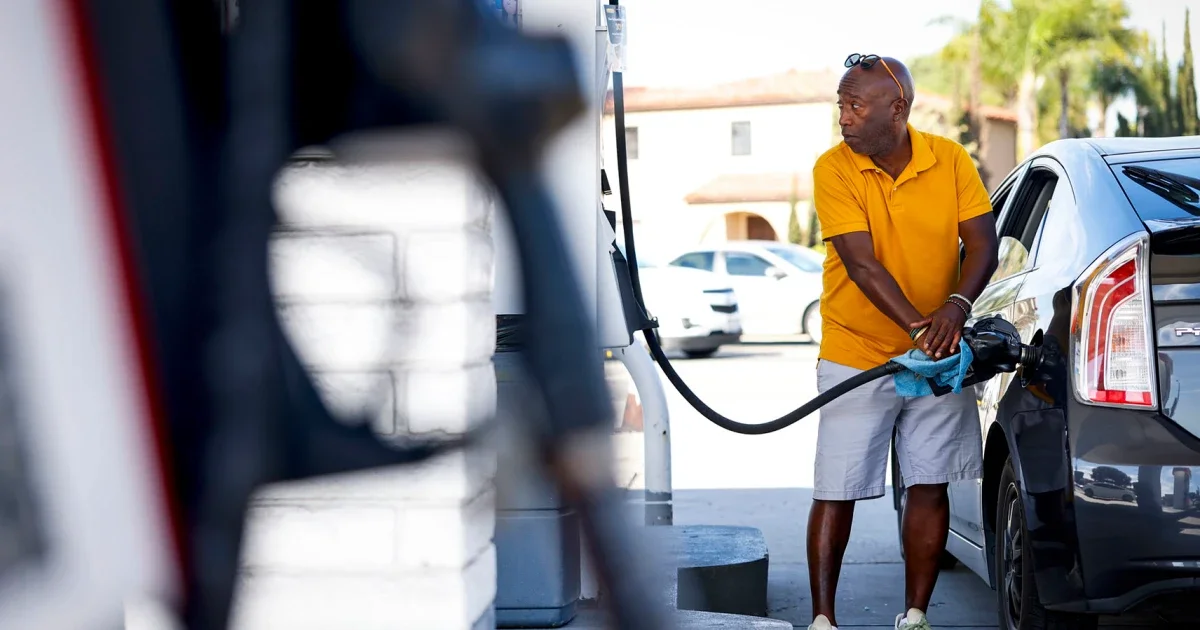
Oil surged above $90 a barrel as the Iran war raises concerns about long‑term energy supply, with Brent also above $90. The rally coincided with a broad market drop after a weak February jobs report, and reports of production cuts in Kuwait and Iraq hint at tighter supply amid Strait of Hormuz disruptions and rising gasoline prices.
Ukraine has intensified drone attacks on Russian oil refineries and export facilities, aiming to disrupt Russia's economy and military fuel supply, causing damage to major facilities and affecting global oil markets, though Western allies remain cautious about escalation.
The Trump administration is planning executive actions to boost energy supply for AI growth, including streamlining grid connections, offering federal land for data centers, and releasing an AI action plan, aiming to strengthen US competitiveness in the AI race against China amid rising power demands from data centers.
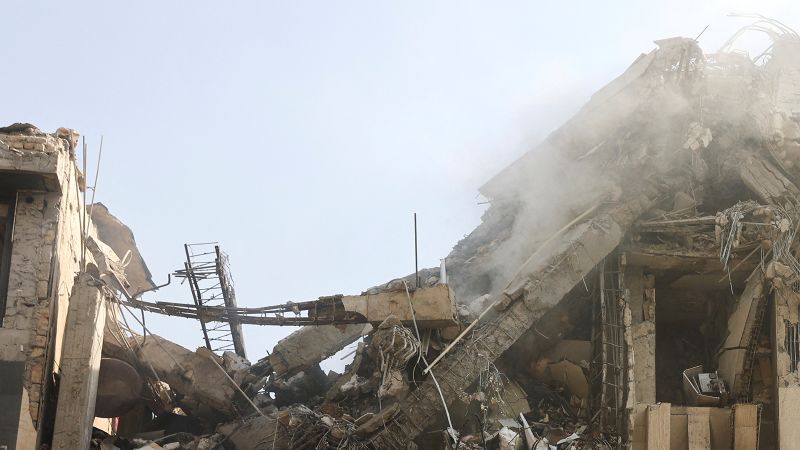
Oil prices surged significantly following Israel's attack on Iran, causing stock markets to fall and safe-haven assets like gold to rise, amid fears of broader conflict and disruptions to Middle Eastern oil supplies, especially through the Strait of Hormuz.
Austria's Chancellor Karl Nehammer assured citizens of a secure alternative fuel supply as Russia's Gazprom plans to halt gas deliveries to Austria, following a payment dispute linked to an arbitration award. Despite the cutoff, Austria, which heavily relies on Russian gas, is working to diversify its energy sources. The move is part of broader tensions over Europe's support for Ukraine, with Russia previously cutting gas supplies over payment disputes. Meanwhile, Germany's Chancellor Olaf Scholz has resumed direct communication with Russian President Vladimir Putin.
Russia's Gazprom will cease natural gas deliveries to Austria this weekend, as announced by Austria's largest energy supplier, OMV. Despite this, Austria has secured alternative gas supplies from Germany, Italy, and the Netherlands, ensuring no disruption in energy supply. This decision follows an arbitration ruling awarding OMV €230 million in a dispute with Gazprom. Austria, heavily reliant on Russian gas, will maintain its Ukraine policy despite the halt in deliveries, with Chancellor Karl Nehammer affirming the country's energy security.
The surge in artificial intelligence (AI) development, clean technology manufacturing, and cryptocurrency mining is straining the U.S. energy supply, leading to increased demand for energy generation. The retirement of fossil fuel and nuclear power plants, coupled with the growing use of electric vehicles, is placing significant strain on the nation's energy infrastructure. The North American Electric Reliability Corporation (NERC) has identified potential capacity shortfalls in various regions, with the proliferation of emerging technologies like AI and cryptocurrency mining contributing to the strain. Efforts to address the energy demand include investments in nuclear fusion and data collection from crypto miners to better understand their power consumption.
The vulnerability of the U.S. power grid during cold snaps was highlighted by a recent incident in New York, where high demand for heat and electricity strained the system. The reliance on natural gas for power generation, coupled with difficulties in gas supply and distribution during extreme cold, poses a significant risk to grid stability. Recommendations include winterizing the natural gas system, establishing tough reliability standards, and improving cooperation between gas companies and utilities to ensure a reliable energy supply during extreme weather events.
President Biden's administration has frozen the approval process for new LNG terminals, citing environmental concerns, despite previously promising the U.S. as a reliable supplier of natural gas to European countries. This move is seen as a political strategy to appeal to left-leaning voters concerned about environmental issues, but it raises questions about the reliability of U.S. natural gas supplies for European allies and the potential impact on energy security and climate change. The decision has sparked concerns about job losses and economic impact in states heavily involved in natural gas production and exportation.
Utility rates in Pittsburgh are set to change on December 1, with some rates experiencing significant shifts. While overall rates are lower than last year, consumers are encouraged to shop for the best energy prices. The Pennsylvania Public Utility Commission has provided a list of utilities and their rate changes, with some electric suppliers seeing decreases while others see increases. Gas supply rates are also fluctuating. Consumers have the option to choose their energy supplier through websites like PAPowerSwitch.com and PAGasSwitch.com. Shopping for energy can help consumers save money, especially for those with larger homes and higher energy usage.
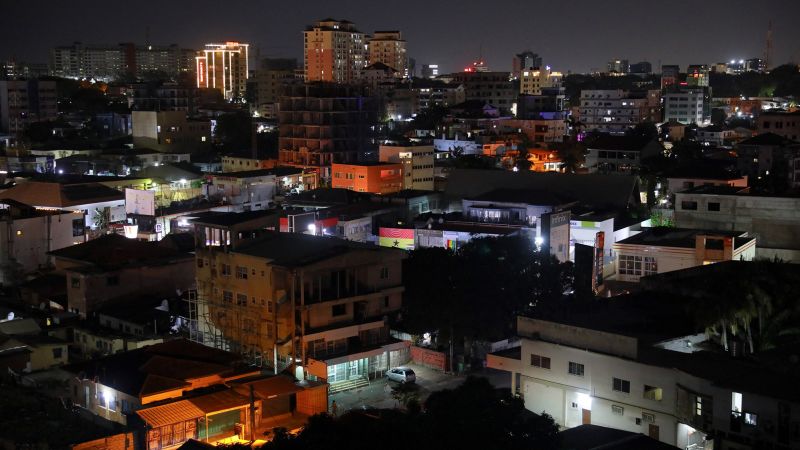
Ghana is experiencing widespread power blackouts due to gas shortages at a major power facility, exacerbating the country's severe economic crisis. The Ghana Grid Company (GRIDCo) reported a supply gap of 550MW at peak time, attributing it to limited gas supply. Ghana heavily relies on natural gas for power generation and has long struggled with power outages, locally known as "dumsor." Recent studies predict that the energy crisis will worsen in the coming years. The country's economic woes, including high inflation, a weakening currency, mounting debts, and low public revenues, have led to protests and calls for the removal of the central bank chair.
AEP Ohio is planning to raise electricity rates for many customers beginning in June due to factors such as global demand, global supply chain issues, and the war in Ukraine. The increased generation supply cost tacked on bills would not come back to the company as any form of profit. AEP customers can choose who generates their electricity rather than accept the SSO price and can review offers from electric generation suppliers on Energy Choice Ohio. The new rates will be in effect until May 2024.