
Trump Weighs Diesel Export Ban as U.S. Prices Hit Record Highs
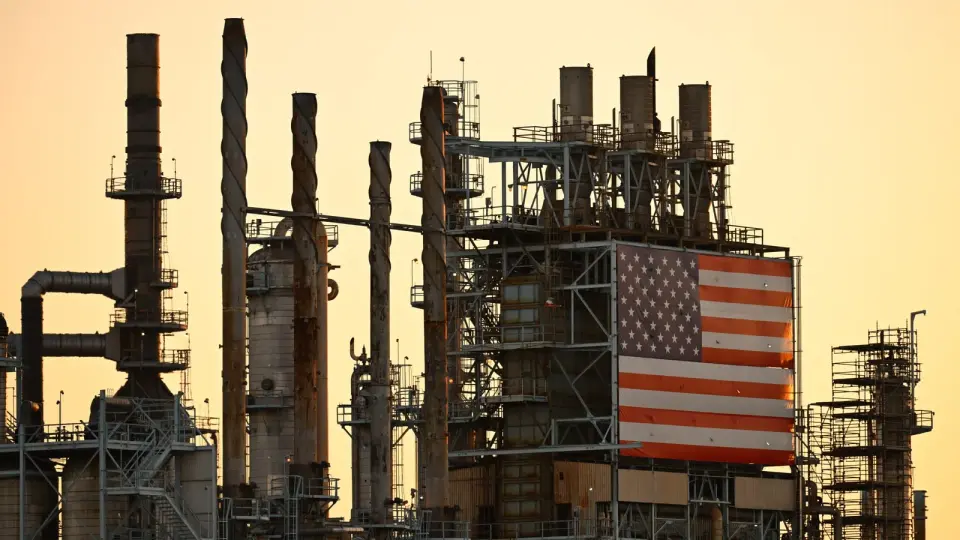
President Donald Trump is seriously considering a ban on U.S. diesel exports to lower domestic fuel prices ahead of the November midterm elections. U.S. diesel prices recently reached a record high of $6.53 per gallon, driven by global supply disruptions from conflicts in Ukraine and the Middle East. While the White House has not finalized a decision, Energy Secretary Chris Wright indicated the administration is weighing restrictions rather than an outright ban. Industry groups and analysts warn that such a move could backfire by raising global prices and disrupting U.S. gasoline supply.
Key points
- U.S. diesel prices averaged $6.50 per gallon on Friday, nearing a record high of $6.53, driven by geopolitical conflicts.
- Trump stated on Fox News that the White House is 'thinking about it very seriously' regarding a potential export ban.
- Energy Secretary Chris Wright suggested the administration is considering restrictions rather than a total ban, while Politico reported a 90-day ban plan.
- Morgan Stanley analysts warned that a U.S. export ban could lower domestic diesel prices initially but raise global prices and U.S. gasoline costs.
- The American Petroleum Institute argued that restricting exports would compound refining challenges and hurt consumers.
Background
This debate follows weeks of rising fuel costs in the U.S., exacerbated by the Iran conflict and Russian-Ukraine hostilities. Previous coverage highlighted that while Trump faced pressure from Republican lawmakers in agricultural states to act on record-high diesel costs, industry leaders and the European Union warned that a ban would disrupt global supply chains and potentially raise prices for American consumers. The current situation represents a continuation of these tensions, with the White House balancing domestic political pressure against global market stability.
How outlets are covering it
CNBC reports that Trump is seriously considering a ban, noting that Energy Secretary Chris Wright has suggested restrictions rather than an outright ban, while Politico reported a 90-day ban plan. CNBC highlights warnings from Morgan Stanley and Argus Media that a ban could backfire by raising global prices and disrupting U.S. gasoline supply. The American Petroleum Institute opposed the ban, arguing it would worsen refining challenges. CNN's secondary source was inaccessible due to a technical error, so no additional perspectives from that outlet could be synthesized. The primary source emphasizes the political pressure from the upcoming midterm elections and the potential for a 'feedback loop' to U.S. gasoline prices, while industry groups focus on the negative impact on refining capacity and consumer costs.
Why it matters
A U.S. diesel export ban would significantly impact global fuel markets, as the U.S. has supplied about half of Europe's diesel imports recently. Such a move could exacerbate the global fuel crisis, raise prices for European consumers, and potentially increase U.S. gasoline prices due to refinery adjustments. Domestically, the decision could influence voter sentiment ahead of the November midterm elections, particularly among farmers and drivers facing high fuel costs.
What to watch
The White House has not announced a final decision on a diesel export ban. Analysts suggest that if a restriction is implemented, it may be a short-term measure lasting two to three months. The outcome will depend on the administration's balance between domestic political pressure and global market stability, as well as the ongoing geopolitical conflicts affecting oil and fuel trade routes.
- Trump ‘very seriously’ considering diesel export ban as global supply crunch worsens CNBC
- Goldman expects initial diesel price decline under US export curbs Reuters
- Trump wants to take a page out of the Biden energy playbook CNN
- Opinion: Why the proposed diesel ban could backfire on American drivers Deseret News
- Trump Says He’s ‘Very Seriously’ Looking at Diesel Export Ban Bloomberg.com
Want the full story? Read the original reporting
Read on CNBC