President Trump signed an executive order deferring federal taxes on 'red dye' diesel to lower costs for truckers and farmers, but industry groups warn the measure offers minimal relief due to logistical hurdles and unresolved tax liabilities.
French Prime Minister Sébastien Lecornu addressed the nation on October 7, 2026, pledging to address student grievances regarding school conditions and schedules while announcing the release of 10 million barrels of diesel to lower fuel prices. The speech follows massive demonstrations on October 6, where police reported 256,000 participants and organizers claimed 450,000. Lecornu also promised new measures for farmers, who are facing economic hardship, to complement an existing emergency bill exceeding €1 billion. The government is responding to a 'polycrisis' involving rising costs of living, exacerbated by a U.S.-led war in Iran, and widespread unrest in the education sector.
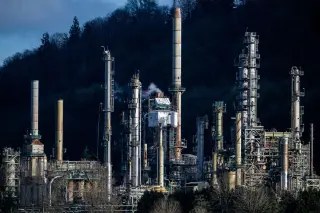
President Donald Trump indicated on Tuesday that his administration is considering suspending the federal gasoline tax, a move that would require congressional approval. The proposal emerges as fuel prices remain elevated ahead of the November midterm elections. While the president suggested prices would drop once the Iran conflict ends, critics argue that refining capacity shortages, not just the war, are driving costs. Senators have also urged a temporary tax holiday to provide immediate relief to consumers.
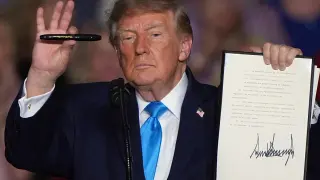
US President Donald Trump signed an executive order on October 5, 2026, deferring federal taxes on red-dyed diesel for use on public roads through December 31. The move aims to lower costs for truckers and farmers as national diesel prices hit record highs. The order waives penalties for using tax-exempt fuel on highways and directs the Treasury to seek ways to eliminate the deferred debt entirely.
President Donald Trump signed an executive order on October 5, 2026, allowing the use of tax-exempt 'red dye' diesel on public highways. The move defers the 24.4-cent federal excise tax through the end of the year, aiming to lower costs for truckers and farmers as national diesel prices hit a record $6 per gallon in September.
President Trump signed an executive order on October 5, 2026, allowing the use of tax-exempt 'red-dyed' diesel in highway vehicles through year-end. The move defers the 24.4-cent federal fuel tax and waives penalties, aiming to lower costs for farmers and truckers amid record-high prices. While the order encourages states to waive their own taxes, critics argue it offers limited relief compared to the broader price surge driven by global supply issues.
President Trump signed an executive order on October 6, 2026, waiving the federal tax on 'red dye' diesel, allowing all drivers to purchase this tax-exempt fuel for highway use through the end of the year. The move aims to lower costs for truckers and farmers amid record-high diesel prices driven by the Iran war and Russian export bans. Trump claims the order will save typical truckers over $100 per fill, though critics note the fuel is identical to taxed diesel and the move may reduce federal revenue.
President Trump plans to announce executive actions on Monday to lower high diesel costs, including a Treasury review of taxes and directives for states to expand tax-exempt red-dyed diesel availability. The move follows chaotic messaging on diesel exports and aims to address inflation concerns among farmers ahead of the November midterms.
Energy Secretary Chris Wright stated that President Trump understood the short-term impact on energy costs before initiating the war in Iran, prioritizing the prevention of a nuclear-armed adversary. Wright argued that while diesel prices recently exceeded $6.50 per gallon, they are now declining due to increased supply from the Strait of Hormuz and a new G7 agreement to release 100 million barrels of fuel. He expressed confidence that prices will fall further before the midterm elections, despite ongoing diplomatic and military discussions regarding Iran.
U.S. Energy Secretary Chris Wright has proposed that European governments release 120 million barrels of strategic diesel reserves over six months to lower global fuel prices. This move aims to avoid a potential U.S. export ban, though Trump remains undecided on restricting shipments.
The White House is seriously considering a temporary ban on U.S. diesel exports to lower domestic prices before the November midterms. While President Trump has signaled openness to the measure, energy officials and industry leaders are pushing for alternatives, such as releasing strategic reserves in Europe, to avoid disrupting global markets. U.S. diesel prices have hit record highs near $6.53 per gallon, driven by geopolitical conflicts and supply constraints.
US farmers are grappling with record-high diesel prices and disrupted fertilizer supplies, compounded by severe harvest delays in the Midwest. While crop prices have risen, input costs remain a primary concern for rural voters ahead of the November midterms, with many expressing frustration over economic conditions but maintaining conservative voting tendencies.
Governors and legislators in Ohio, Texas, Georgia, and California are implementing emergency measures to lower fuel costs ahead of the November 3 midterm elections. These actions, driven by high prices from the ongoing U.S.-Iran war, include suspending gas taxes and declaring disasters to bypass transportation restrictions. While the moves aim to ease consumer costs, they risk reducing state transportation funding and have sparked partisan debates over federal responsibility.
Canada has developed backup plans in case the U.S. implements a diesel export ban, according to Bloomberg. This contingency strategy comes as President Trump seriously considers restricting U.S. diesel exports to lower domestic prices ahead of November midterms, despite warnings from industry and allies that such a move could exacerbate global supply shortages.
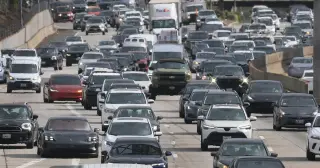
The Trump administration finalized new Corporate Average Fuel Economy (CAFE) standards, lowering the 2031 vehicle efficiency requirement to 34.9 miles per gallon, a sharp drop from the 50.4 mpg target set under the Biden administration. This move eliminates federal incentives for electric vehicles and is expected to increase gasoline consumption and pollution. California, which faces some of the nation's highest fuel costs, is preparing to challenge the rule in court, arguing it undermines state climate goals. While automakers like Stellantis welcome the relaxed standards, General Motors has signaled it will maintain long-term EV investments despite the regulatory shift.