
Virginia Governor Demands Rate Freeze and Bill Credit Triples Before Approving $67B Utility Merger
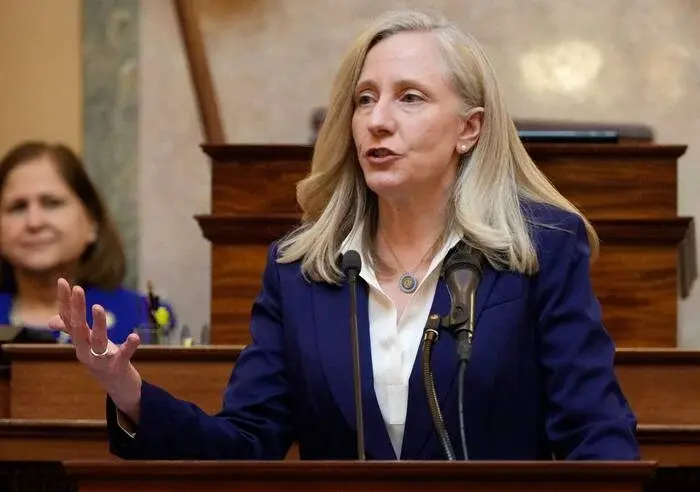
Virginia Governor Abigail Spanberger has filed expert testimony with the State Corporation Commission (SCC) demanding that NextEra Energy and Dominion Energy freeze residential electricity rates for six years and triple monthly bill credits as conditions for approving their proposed $67 billion merger. The governor’s office argues that current commitments do not sufficiently protect consumers or advance clean energy goals, urging the SCC to reject the deal unless additional binding assurances are provided. These demands include structural reforms to shift data center energy costs away from residential customers, expanded protections against utility disconnections, and the creation of a dedicated zero-carbon energy subsidiary. The filing follows earlier negotiations where the companies doubled bill credits and pledged job creation, but Spanberger maintains that these measures are insufficient without enforceable provisions for rate stability and workforce protection.
Key points
- Governor Spanberger’s office filed expert testimony on October 19, 2026, calling for a six-year freeze on base residential electricity rates, equivalent to three rate case cycles.
- The governor demands that monthly bill credits for ratepayers be tripled to $29 per month for four years, up from the previous commitment of doubled credits.
- Spanberger urges the SCC to reject the merger unless companies agree to increase Dominion’s debt share in its capital structure from 48% to 60% to lower the rate of return.
- The testimony calls for the creation of a separate Virginia-headquartered subsidiary for zero-carbon energy generation to serve large data centers, ensuring these costs are not passed to residential customers.
- Additional demands include eliminating the cap on rooftop solar net metering, establishing a decarbonization incentive rate for heat pumps and electric vehicles, and strengthening protections against utility disconnections for vulnerable households.
- Chief Energy Officer Josephus Allmond stated that the current commitments do not meet the legal standard for approval, emphasizing the need for enforceable provisions to hold companies accountable.
Background
In September 2026, NextEra and Dominion announced an expanded benefits package for Virginia, including doubled residential bill credits for four years, a pledge of 1,000 new jobs, and $100 million for low-income assistance, aiming to secure SCC approval by late 2027. This followed the federal expiration of the $7,500 EV tax credit in September 2025, which triggered a $20 billion freeze in US EV manufacturing investments and a 24% drop in sales, increasing pressure on states to support clean energy transitions. Meanwhile, other utilities like PG&E have launched smart charging bundles to offset grid strain, highlighting a broader industry trend toward consumer incentives to manage energy costs and demand.
How outlets are covering it
WSLS reports that Governor Spanberger and her Chief Energy Officer, Josephus Allmond, are taking a hardline stance, arguing that the merger as currently structured fails to protect consumers and advance Virginia’s clean energy goals. They emphasize the need for enforceable commitments, including a six-year rate freeze and tripled bill credits, to ensure public benefits outweigh corporate shareholder gains. The Richmond Times-Dispatch, while its full article is obscured by a paywall, indicates that PJM, the regional grid operator, has opposed the NextEra-Dominion deal, suggesting broader regulatory and market concerns beyond just Virginia’s state-level scrutiny. This contrast highlights a divide between state-level consumer protection demands and broader regional grid stability concerns, with Spanberger focusing on local ratepayer benefits and PJM potentially concerned with market competition and grid reliability.
Why it matters
The outcome of this SCC review will set a precedent for how large utility mergers are evaluated in terms of consumer protection and clean energy advancement. If the SCC rejects the merger or imposes strict conditions, it could influence future utility consolidation across the US, particularly in states with significant data center growth and clean energy goals. The governor’s demands for structural reforms, such as separating data center energy costs from residential rates, could reshape how utilities manage grid strain and cost allocation, potentially affecting electricity prices and infrastructure investment nationwide. Additionally, the emphasis on enforceable commitments and workforce protections may influence labor and regulatory standards in the energy sector, impacting both consumer costs and industry practices.
What to watch
The State Corporation Commission is expected to review the governor’s testimony and the companies’ responses in the coming months, with a potential decision on the merger’s approval or rejection. If the SCC rejects the deal, NextEra and Dominion may need to renegotiate terms or face delays, potentially pushing closure beyond late 2027. If approved with conditions, the companies will need to implement the demanded reforms, including the rate freeze, bill credit increases, and structural changes, which could take years to fully realize. Meanwhile, Virginia’s General Assembly may consider legislation to support the proposed changes, such as eliminating the rooftop solar cap and establishing a state energy efficiency utility, further shaping the state’s energy landscape.
- Gov. Spanberger calls for six-year freeze to electric rates, tripling customer bill credits in NextEra-Dominion Filing WSLS
- SCC staff recommend rejecting Dominion-NextEra merger, unless changes are made 13newsnow.com
- Va. governor calls for 6-year electricity rate freeze amid proposed merger WAVY.com
- Virginia governor says will not support NextEra-Dominion merger without six-year rate freeze Seeking Alpha
- Update: PJM watchdog, Gov. Spanberger criticize proposed NextEra-Dominion deal Richmond Times-Dispatch
Want the full story? Read the original reporting
Read on WSLS