
Researchers Convert Toxic Yellowknife Mine Waste into 99% Pure Arsenic Metal
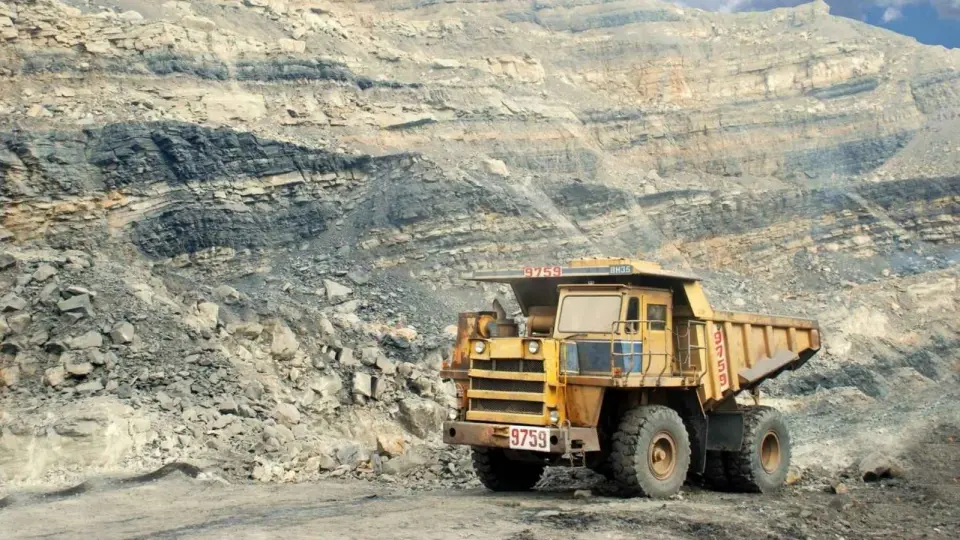
Researchers have successfully converted a sample of arsenic dust from the Giant Mine in Yellowknife into metallic arsenic with over 99% purity. The process involves dissolving the dust in a lye solution and using a reducing agent to precipitate the metal. This lab-scale breakthrough offers a potential path to repurposing hazardous waste for electronics manufacturing, though scaling the process and achieving semiconductor-grade purity remain significant challenges.
Key points
- A two-step chemical process was used to extract arsenic from dust: dissolving it in water or lye, then reducing it with thiourea dioxide.
- The resulting metallic arsenic achieved over 99% purity, though it is poorly crystalline compared to commercial standards.
- The Giant Mine stockpile contains 261,000 tons of arsenic dust, currently managed via a frozen block method approved for 100 years.
- The process also facilitates the recovery of gold, which does not dissolve during the reaction.
- The research was published in Environmental Science & Technology Letters on August 11, 2026, by a team including UBC engineer Tamara Etmannski.
Background
The Giant Mine in Yellowknife has long faced remediation challenges due to its massive stockpile of arsenic dust. Previous strategies, such as physical removal, were rejected due to worker exposure risks and the irregularity of the surrounding rock. The current government-approved solution involves freezing the ground around the chambers, a temporary measure estimated to cost C$4.4 billion. This new research aligns with broader Canadian efforts to repurpose waste, similar to an Ontario project converting captured carbon into stone.
Why it matters
This research offers a potential dual solution to a persistent environmental hazard and a supply chain issue. By converting toxic waste into a valuable material for electronics, it could reduce the environmental burden of the Giant Mine while providing a domestic source of arsenic for semiconductor manufacturing. However, the gap between lab-scale success and industrial application remains significant, particularly regarding the crystalline structure required for high-end chips.
What to watch
The next step for the research team is to determine if the converted arsenic can be used to build functional semiconductors. Following that, they will investigate whether the process can be scaled up to handle the massive stockpile at Giant Mine. The Giant Mine Oversight Board continues to push for solutions that permanently resolve the waste issue rather than relying on long-term containment.
Want the full story? Read the original reporting
Read on Autonocion.com