energy16.18 min read
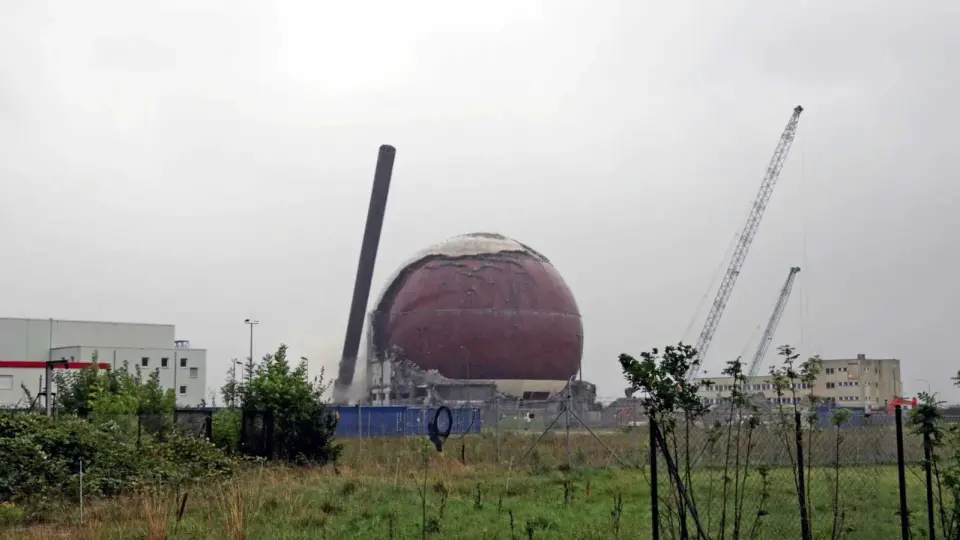
Stade Nuclear Plant’s 262-Foot Stack Toppled in Controlled Blast, Marking Final Phase of 21-Year Teardown
1 hour ago•Source: Autonocion.com

The latest energy stories, each synthesized from multiple sources with added background and context.
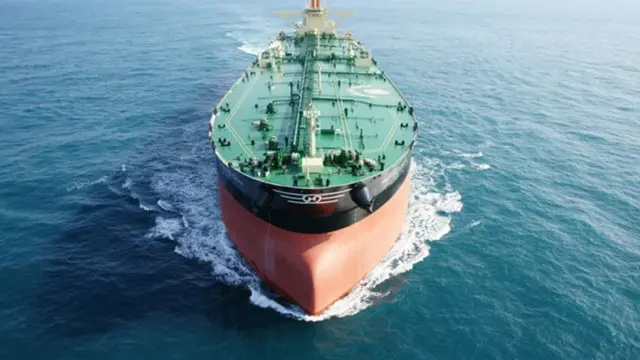
Supertanker rates have reached a record $1.4 million per day on Persian Gulf to East Asia routes, surging 40% in early October. This spike is driven by ship-to-ship transfers near the Strait of Hormuz, which tie up vessels for weeks and create a global shortage of tankers. The resulting scarcity has pushed U.S. to China freight costs to $76 million per cargo, roughly ten times pre-war levels, adding tens of dollars per barrel to oil prices.
Federal Reserve Bank of Dallas•2 days ago
NBC News•3 days ago

Hess Midstream shares fell 14% to $33.14 on Wednesday, marking their steepest single-day decline since March 2020. The drop followed Chevron's Tuesday announcement to divest its ownership stake in the pipeline operator and transfer its Denver Julesburg Basin assets to Hess Midstream. While the deal removes a major strategic uncertainty by making Hess Midstream fully independent, it includes significant concessions: Chevron will pay lower fees in the North Dakota Bakken region from 2027 through 2033. Consequently, Hess Midstream narrowed its 2026 adjusted Ebitda guidance to $1.225 billion–$1.25 billion and issued preliminary 2027 guidance of $850 million–$950 million, well below analyst estimates.

Oil prices jumped 5% on Thursday as Brent crude exceeded $105 per barrel, driven by a surge in tanker attacks in the Strait of Hormuz and production halts in the US Gulf of Mexico due to Hurricane Isaias. While shipping traffic had recently recovered to nearly 90% of pre-war levels, it has since collapsed to a two-month low. The price spike triggered a global bond sell-off and raised inflation fears, even as US President Donald Trump stated the US would not attack Iran before the November midterm elections.
European diesel futures spiked 8% to $1,435.25 a tonne after the International Energy Agency (IEA) confirmed that the G7’s recent 100 million barrel release commitment will be fulfilled using unspent portions of the March 2026 stockpile agreement, rather than new draws from strategic reserves. The agency stated that 325 million barrels have already been released, leaving approximately 100 million barrels to complete the original pledge. While members agreed to accelerate releases and prioritize diesel, European diplomats indicated reluctance to tap additional reserves due to energy security concerns.
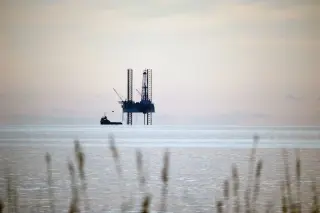
Brent crude futures settled at $100.20 per barrel on Wednesday, while U.S. West Texas Intermediate fell to $88.28, as the International Energy Agency prioritized diesel stock releases to counter surging fuel costs. Although Gulf oil exports have recovered to over 81% of pre-war levels, prices remain elevated due to persistent security threats in the Strait of Hormuz and increased shipping costs. The IEA has deployed 325 million barrels under a March emergency plan, leaving approximately 100 million barrels available, with 1.1 billion barrels of emergency stocks still held by member states. Saudi Arabia’s East-West pipeline has restored flows to 5.8 million barrels daily, but Houthi strikes on Saudi airports and Iranian harassment of tankers continue to disrupt supply chains. Analysts warn that while physical supply is improving, geopolitical risks and thin global inventories keep prices volatile, with Saudi Aramco CEO Amin Nasser estimating it could take two years to rebuild depleted reserves.

Brent crude prices rebounded above $100 per barrel after Houthi militants attacked Saudi airports, including one near a major Aramco refinery. This price spike occurred despite Saudi Arabia reporting that its East-West pipeline had restored flows to 5.8 million barrels daily. The market remains volatile due to conflicting signals: while physical oil exports from the Gulf have recovered to 81% of pre-war levels, shipping costs have surged and security threats in the Strait of Hormuz persist. The International Energy Agency (IEA) is prioritizing diesel stock releases to mitigate fuel shortages, but analysts warn that prices will stay elevated until geopolitical risks are resolved.

Google has signed a 20-year power purchase agreement with Constellation Energy to fund over $4.3 billion in upgrades to 11 nuclear reactors across Illinois, Pennsylvania, and New Jersey. The deal aims to add 890 megawatts of new nuclear capacity to the PJM grid by 2028, addressing the massive power demands of AI data centers. A separate 15-year agreement for 2,700 megawatts ensures revenue for existing plants, while a five-year technology alliance will integrate Google Cloud and Gemini Enterprise into Constellation’s grid operations.
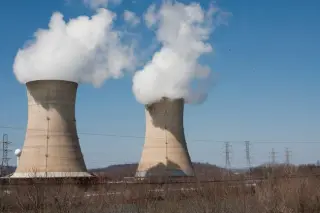
Constellation Energy and Google announced a 20-year power purchase agreement to add 890 MW of nuclear capacity via uprates at 11 reactors, triggering a 12% stock surge for Constellation and broad gains across the utility sector.
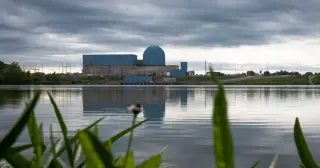
Facing surging power demand from AI data centers, U.S. tech companies are funding upgrades to existing nuclear plants rather than waiting for new construction. Constellation Energy and Google announced a deal to add 890 megawatts of capacity through 'power uprates' at 11 reactors, a process that is faster and cheaper than building new plants. This strategy aims to add up to 8,000 megawatts to U.S. grids by the mid-2030s, addressing critical shortages in the PJM Interconnection grid.
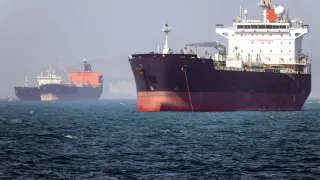
Crude exports through the Strait of Hormuz have partially recovered, but this rebound relies on costly US military protection and risky ship-to-ship transfers. Recent spikes in Iranian attacks on tankers, including a recent strike injuring Indian crew, threaten the sustainability of these flows without a diplomatic resolution.

Sailors are receiving up to $25,000 per trip to transport oil through the conflict-ridden Persian Gulf, a premium that has helped restore crude exports to 16.5 million barrels per day. While this volume approaches pre-war levels, the logistics remain highly inefficient and expensive, with shipping costs now adding 27% to the final price of oil compared to 3% before the conflict. Brent crude remains above $100 a barrel, driven by these persistent logistical bottlenecks and elevated insurance premiums.