
A7 Network Laundered $6.9B via Forged Documents, FT Investigation Reveals
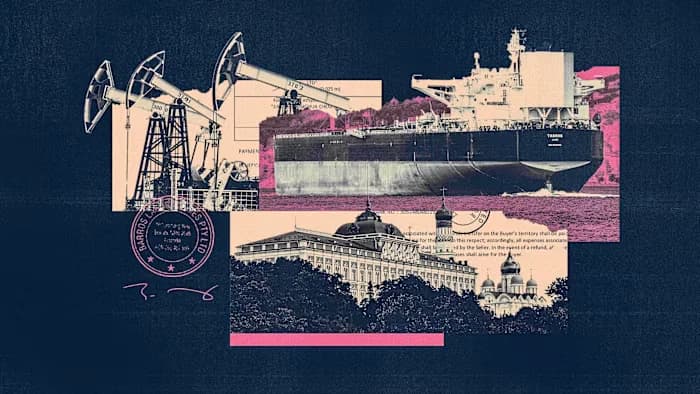
A Financial Times investigation reveals that A7, a Kremlin-backed fintech established by sanctioned Moldovan businessman Ilan Shor, moved at least $6.9 billion through global banks using an industrial-scale forgery operation. Backed by Russia’s state-owned Promsvyazbank, A7 utilized front companies in the UAE, Hong Kong, and Kyrgyzstan to bypass Western sanctions. The network expanded into Nigeria and Zimbabwe in September 2025, opening offices in Lagos and Harare, though the extent of its operations there remains unclear. Major banks including Standard Chartered, Citigroup, and JPMorgan Chase handled these flows, with Standard Chartered in Hong Kong alone receiving $1.1 billion from A7-linked entities. The scheme involved altering transaction details and removing Cyrillic characters to evade sanctions checks, with most funds ultimately flowing to Chinese bank accounts. UK regulators have warned that this case exposes critical gaps in periodic compliance checks, urging continuous monitoring of international payment networks.
Key points
- A7 moved at least $6.9 billion through the international banking system using forged documents and front companies.
- The network was established in late 2024 by Ilan Shor with backing from Russia’s state-owned Promsvyazbank.
- Standard Chartered in Hong Kong received $1.1 billion from A7-linked entities between late 2024 and August 2025.
- First Abu Dhabi Bank handled more than $1.8 billion in outbound payments from 17 A7-linked entities.
- A7 expanded into Nigeria and Zimbabwe in September 2025, opening offices in Lagos and Harare.
- Most of the laundered money eventually flowed to Chinese bank accounts, with Tether also used for transactions.
Background
This story follows earlier coverage of global financial compliance challenges and the increasing scrutiny of cross-border payment systems. The A7 scandal highlights the ongoing tension between Western sanctions and Russian efforts to maintain financial access through alternative networks. Previous reports have noted the growing reliance on non-traditional financial channels to bypass sanctions, with A7 representing a significant escalation in the scale and sophistication of such operations.
How outlets are covering it
The Financial Times provides the core investigation, detailing the $6.9 billion in flows and the specific banks involved. Business Insider Africa emphasizes the African expansion, noting the opening of offices in Nigeria and Zimbabwe and the involvement of local partners like Pilot Finance. PYMNTS.com focuses on the 'old-fashioned money laundering' tactics and the involvement of major banks like JPMorgan Chase, while also highlighting the broader implications for anti-money laundering controls. FinTech Global stresses the regulatory angle, warning that the case exposes gaps in periodic compliance checks and urging continuous monitoring. All sources agree on the scale of the operation and the involvement of Promsvyazbank, but differ in emphasis: FT and PYMNTS focus on the financial flows and bank involvement, Business Insider Africa on the geographic expansion, and FinTech Global on the regulatory implications.
Why it matters
The A7 scandal underscores the vulnerability of the global banking system to sophisticated money laundering schemes, even in the face of stringent sanctions. It highlights the need for continuous, rather than periodic, compliance checks and raises questions about the effectiveness of current anti-money laundering controls. The involvement of major banks and the expansion into Africa suggest a growing network that could further undermine international financial stability and sanctions enforcement.
What to watch
Regulators are expected to intensify scrutiny of cross-border payment networks and enforce stricter compliance measures. Banks may face increased pressure to implement continuous monitoring systems to detect and prevent similar schemes. The UK government and other international bodies are likely to pursue further designations and enforcement actions against entities linked to A7. The case may also lead to broader reforms in anti-money laundering regulations, emphasizing the need for real-time monitoring and collaboration between financial institutions and regulators.
- Rosneft billions fed Kremlin-backed money laundering network Financial Times
- The ‘Monster’ Behind Russia’s Global Effort to Evade Western Sanctions The New York Times
- How a Russian-backed network linked to 2 African countries moved $6.9 billion through banks using forged documents Business Insider Africa
- Russian FinTech Allegedly Laundered $6.9 Billion Via Global Banks PYMNTS.com
- A7 scandal exposes gaps in periodic compliance checks FinTech Global
Want the full story? Read the original reporting
Read on Financial Times