
Trafigura Pays $76 Million for U.S. to China Oil Haul Amid Middle East Crisis
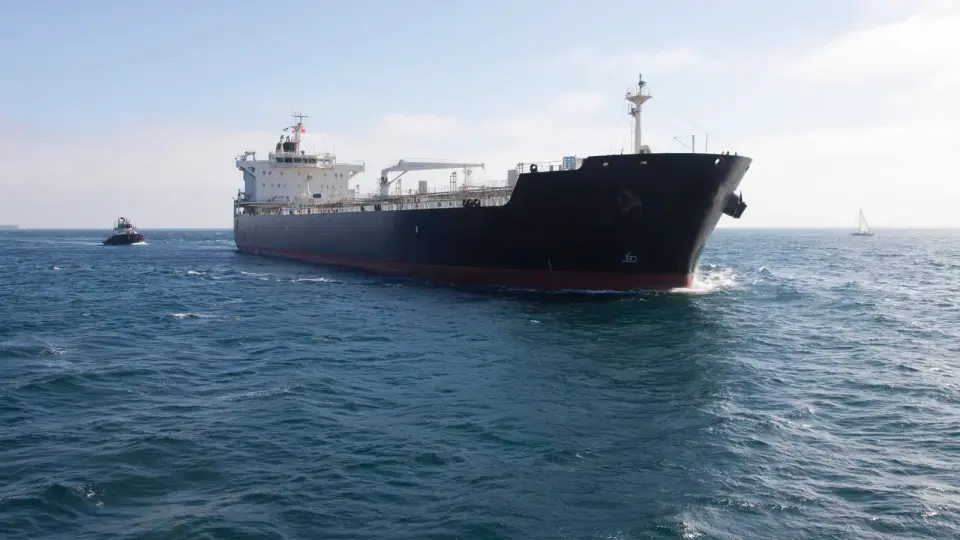
Trafigura has chartered the supertanker Alexandros for $76 million to transport oil from the U.S. Gulf Coast to China, a rate far exceeding the pre-conflict norm of $7 million to $10 million. The vessel is scheduled to load around November 19, reflecting a surge in shipping costs driven by a global tanker shortage caused by the Middle East crisis. This premium equates to $38 per barrel for a 2 million-barrel cargo, highlighting the severe disruption in energy logistics.
Key points
- The trading firm Trafigura chartered the supertanker Alexandros for $76 million to move oil from the U.S. Gulf Coast to China.
- The vessel is expected to load its cargo around November 19, according to a source familiar with the deal.
- Pre-war rates for this specific route typically ranged between $7 million and $10 million, making the current cost nearly eight times higher.
- The $76 million fee translates to $38 per barrel, assuming the tanker carries its full capacity of 2 million barrels.
- Shipping costs have skyrocketed globally due to a shortage of available tankers triggered by the ongoing conflict in the Middle East.
Background
This spike in shipping costs occurs against a backdrop of shifting U.S.-China trade dynamics. In late September 2026, the two nations detailed tariff reduction lists totaling $60 billion, with China favoring U.S. agricultural imports and the U.S. reducing tariffs on Chinese consumer goods. These moves followed a summit between Presidents Trump and Xi and an extension of a tariff truce. While the trade relationship has seen some de-escalation through tariff cuts, the energy sector remains volatile due to geopolitical tensions in the Middle East, which are now driving logistics costs to historic highs.
Why it matters
The extreme premium for this charter illustrates how the Middle East crisis is reshaping global energy logistics. The conflict has forced producers to adopt a shuttle system through the Strait of Hormuz, where oil is transferred between vessels in the Gulf of Oman to mitigate risks from Iranian attacks. This workaround requires significantly more ships to move the same volume of crude, creating a scarcity that drives up rates for all other routes, including those from the U.S. to Asia. Such cost inflation impacts global supply chains and energy prices, potentially influencing inflation rates and trade balances between major economies like the U.S. and China.
What to watch
Market participants should monitor whether this $76 million rate becomes a new baseline for U.S.-China oil shipments or if it remains an outlier driven by acute tanker scarcity. The effectiveness of the shuttle system in the Strait of Hormuz will determine if the tanker shortage eases. Additionally, the impact of these high logistics costs on final energy prices in China and the U.S. will be critical for assessing the broader economic fallout of the Middle East conflict.
Want the full story? Read the original reporting
Read on CNBC