Tag

Oil Shipping

All articles tagged with #oil shipping

Hormuz shipping crisis peaks as Iran targets US-backed oil shuttle
global-conflict-and-energy2 hours ago

Hormuz shipping crisis peaks as Iran targets US-backed oil shuttle

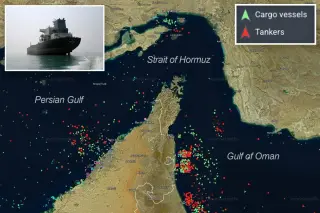
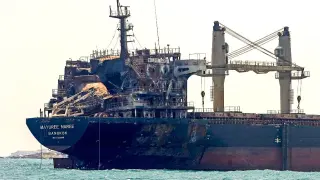
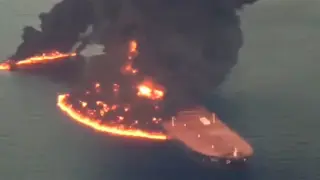
Iranian attacks on vessels in the Strait of Hormuz have reached their highest intensity since the war began in February, with 24 ships struck in the past two weeks. On Sunday alone, six vessels were hit, including tankers owned by Chinese and South Korean firms and an Indian container ship. This surge coincides with Tehran’s explicit threat to disrupt a US-assisted 'shuttle' system that allows Gulf states to export oil via the Gulf of Oman. Consequently, oil flows through the strait have plummeted to 2.9 million barrels per day, while global supertanker rates hit a record $805,000 per day as owners avoid the conflict zone.
Freight Costs Soar to $1.4M Daily as Tanker Shortage Deepens Oil Crisis
energy1 day ago

Freight Costs Soar to $1.4M Daily as Tanker Shortage Deepens Oil Crisis

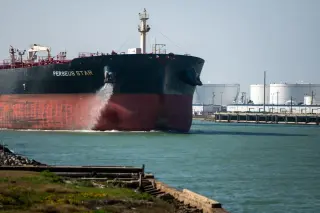
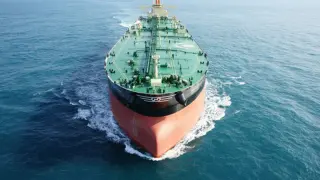
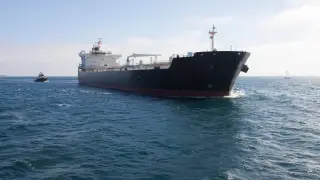
Supertanker rates have reached a record $1.4 million per day on Persian Gulf to East Asia routes, surging 40% in early October. This spike is driven by ship-to-ship transfers near the Strait of Hormuz, which tie up vessels for weeks and create a global shortage of tankers. The resulting scarcity has pushed U.S. to China freight costs to $76 million per cargo, roughly ten times pre-war levels, adding tens of dollars per barrel to oil prices.

Trafigura Pays $76 Million for U.S. to China Oil Haul Amid Middle East Crisis

Trafigura Pays $76 Million for U.S. to China Oil Haul Amid Middle East Crisis

Trafigura has chartered the supertanker Alexandros for $76 million to transport oil from the U.S. Gulf Coast to China, a rate far exceeding the pre-conflict norm of $7 million to $10 million. The vessel is scheduled to load around November 19, reflecting a surge in shipping costs driven by a global tanker shortage caused by the Middle East crisis. This premium equates to $38 per barrel for a 2 million-barrel cargo, highlighting the severe disruption in energy logistics.

Haredi Journalist Navigates Strait of Hormuz Amidst Smuggling and Naval Strikes
geopolitics20 days ago

Haredi Journalist Navigates Strait of Hormuz Amidst Smuggling and Naval Strikes

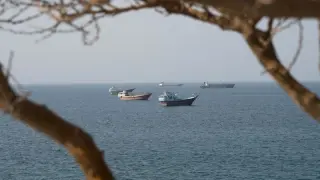
Haredi journalist Yitzhak Horowitz traveled to the Omani Musandam Peninsula to report on the tense conditions in the Strait of Hormuz. He documented a shift from a tourist destination to a militarized zone where locals face strict scrutiny. In Khasab, he observed a quiet city with active smuggling routes involving livestock and electronics between Iran and Dubai. Horowitz sailed into the strait with a local captain, witnessing oil tankers waiting for nightfall to avoid attacks. The captain described a recent drone strike on a Panamanian-flagged vessel that turned out to be an Iranian oil smuggler, resulting in one death. This firsthand account highlights the ongoing risks to maritime traffic and the complex informal economies persisting despite heightened security and conflict.

Hormuz Traffic Plummets to 12 Vessels as Saudi Crude Exports Surge
world-news22 days ago

Hormuz Traffic Plummets to 12 Vessels as Saudi Crude Exports Surge

Visible shipping traffic through the Strait of Hormuz has collapsed to a trickle, with only 12 commodity vessels transiting last weekend compared to 35 the previous week. This sharp decline in trackable traffic occurs despite a significant surge in Saudi crude exports, which have recovered to over 4 million barrels per day. The shift is driven by Houthi attacks on Saudi Arabia's East-West pipeline, forcing the state energy firm to reroute shipments through the strait. While visible traffic has dwindled, Middle Eastern producers continue exporting oil via tankers with transponders turned off, suggesting actual flows remain higher than public data indicates.

Global Supertanker Shortage Threatens Long-Haul Oil Supply
energy22 days ago

Global Supertanker Shortage Threatens Long-Haul Oil Supply

The global fleet of supertankers is facing a critical shortage, which threatens to disrupt long-haul oil shipments. This scarcity in specialized vessels could constrain the flow of crude from major producing regions to distant markets, potentially tightening supply chains and influencing energy prices. The situation highlights the fragility of maritime logistics for essential commodities.

Iran’s Grip on Hormuz Strait Erodes as Oman Route Sees Surge in Traffic
world1 month ago

Iran’s Grip on Hormuz Strait Erodes as Oman Route Sees Surge in Traffic

Recent data indicate Iran has partially lost control of the Strait of Hormuz, as most vessel traffic in the waterway shifts to the Oman route under UN authorization; a strong U.S. naval presence appears to be guiding higher shipments through safer channels while Iran’s toll-collection influence wanes. Analysts note the strait remains contested, with ongoing talks between Oman and Iran about ensuring freer navigation, and overall oil flows still well below pre-war levels.

Hormuz Strait: Divided claims of control as traffic stays well below normal
world1 month ago

Hormuz Strait: Divided claims of control as traffic stays well below normal

Traffic through the Strait of Hormuz remains far below normal amid Iran–US tensions, with UKMTO data showing AIS transits roughly 90% below pre-conflict levels and only a modest late‑August uptick. Officials describe a divided reality: a northern route largely Iranian‑controlled and a southern route overseen by the U.S. Navy, while U.S. and Iranian figures offer conflicting claims of blockades versus openness. The International Chamber of Shipping says traffic is down but not stopped, and oil flows are estimated at about 9 million barrels per day leaving the Strait, with total flows near 15 mbpd when pipelines are included, plus private data noting ongoing movements and humanitarian risks for seafarers.

Hormuz data undercuts U.S. control claim as shipping traffic fades
politics-and-government2 months ago

Hormuz data undercuts U.S. control claim as shipping traffic fades

White House officials push back on Trump’s claim of “total control” over the Strait of Hormuz, arguing traffic is better than some trackers suggest while data undermines U.S. dominance. Energy Secretary Wright cited “best available data” placing Arabian Gulf exports around 15 million barrels per day, yet data tracker Kpler logged only about 14 ship crossings on a Tuesday, with 11 using Iran-approved routes. Wright declined to share methodologies, provoking scrutiny over undercounting. The dispute comes as Iran talks intensify and markets doubt a swift resumption of flows; gas prices have topped $4 per gallon, and Treasury Secretary Scott Bessent warned the Strait could become irrelevant within the next two years due to underground pipelines.

Iran Hardens Conditions for Reopening Hormuz as Oman Talks Weave Through Delays
world2 months ago

Iran Hardens Conditions for Reopening Hormuz as Oman Talks Weave Through Delays

Iran unveiled a sweeping set of demands to reopen the Strait of Hormuz—urging the U.S. to withdraw its naval blockade, pay damages, unfreeze Iranian assets, lift sanctions, and end the conflict—while stressing that its Oman discussions on traffic management do not mean the strait will reopen. Washington has not responded, negotiations with the U.S. are paused, and the strait remains largely impassable amid broader regional tensions and potential rerouting of oil shipments.

Oil tops $100 as Houthis test Red Sea routes and market risk
world2 months ago

Oil tops $100 as Houthis test Red Sea routes and market risk

Oil climbs past $100 a barrel as Yemen's Houthis declare a naval blockade at Bab el-Mandeb, forcing markets to watch which ships can pass through the Red Sea and how Saudi crude flows and diesel supplies may be affected, with analysts cautioning that enforcement is unpredictable and prices hinge on chokepoint dynamics, China’s role, and refining capacity.

U.S.-Iran Escalation Deepens as Strikes Proliferate and Peace Deal Fails
world2 months ago

U.S.-Iran Escalation Deepens as Strikes Proliferate and Peace Deal Fails

With the interim peace agreement collapsed, the U.S. conducted an eighth straight night of strikes on Iran in retaliation for an attack in Jordan that killed two American service members, while Iran retaliated against Gulf states hosting U.S. troops. The exchanges targeted IRGC facilities and coastal defenses, damaged a Kuwaiti desalination plant, and prompted missile interceptions in Jordan and Bahrain, raising fears for oil shipments through the Strait of Hormuz as casualties are reported and a war of words intensifies between Tehran and Washington.

Trump claims Hormuz shipping resumes as US-Iran MoU seeks de-escalation
world4 months ago

Trump claims Hormuz shipping resumes as US-Iran MoU seeks de-escalation

President Trump says ships are moving through the Strait of Hormuz as the US and Iran sign a memorandum of understanding aimed at ending the conflict, with a 60-day window to negotiate core issues like Iran’s nuclear program, asset unfreezing, and sanctions; the US naval blockade remains in place until the signing ceremony, and timelines on de-mining and resuming normal shipping point to a gradual reopening of the strait.

Iraqi Supertanker Reverses Course as Hormuz Traffic Remains Narrow
markets5 months ago

Iraqi Supertanker Reverses Course as Hormuz Traffic Remains Narrow

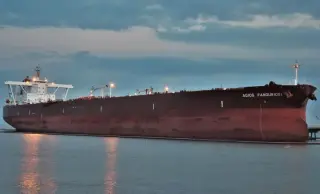
The Strait of Hormuz remains largely shuttered with Iran-linked vessels dominating the small flow of traffic. The Iraqi tanker Agios Fanourios I briefly cleared the strait over the weekend but halted its voyage to Vietnam and is retracing its route toward the Gulf, while a second Qatari LNG carrier, Mihzem, appears to have cleared Hormuz and is headed to Pakistan, underscoring continued risk and limited transit through the chokepoint.