
Incheon Overtakes Heathrow as World’s Top International Hub Amid Middle East Disruption
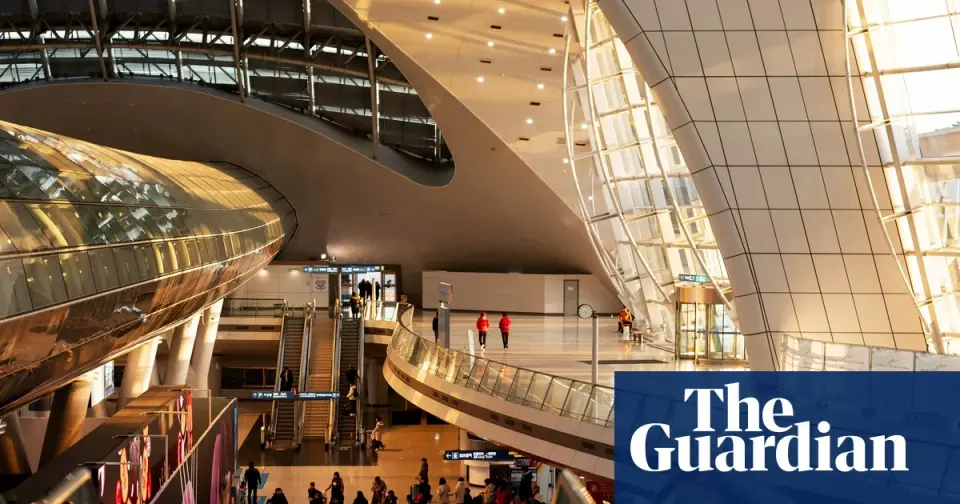
Incheon International Airport has become the world’s busiest airport for international passengers for the first time since its 2001 opening, handling 38.39 million travelers in the first half of 2026. This milestone, confirmed by Airports Council International data, places Incheon ahead of London Heathrow and Singapore Changi. The surge is attributed to the US-Iran conflict, which disrupted Middle Eastern hubs like Dubai and diverted transfer traffic to East Asia, alongside a record increase in foreign visitors from China and Japan.
Key points
- Incheon handled 38.39 million international passengers in H1 2026, a 6.3% year-on-year increase, topping the global rankings for the first time.
- London Heathrow ranked second with 37.79 million international passengers, while Singapore Changi followed with 34.53 million.
- Transfer passengers to European destinations via Incheon rose 63.2% to 210,000, driven by the decline of Middle Eastern hub connectivity due to the US-Iran war.
- Foreign visitors accounted for 44.4% of Incheon’s traffic in Q2 2026, a record high, largely fueled by travelers from China and Japan.
- Incheon’s capacity was expanded to 106 million annual passengers following a four-phase project completed in late 2024, supporting its new role as a primary global transfer hub.
Background
In previous years, Dubai International consistently ranked first or second for international passenger traffic, while Incheon climbed from 10th in 2002 to 3rd in 2024. Atlanta remains the world’s busiest airport by total passenger volume, but Incheon now leads specifically in international traffic. The recent US-Iran conflict has significantly altered global aviation routes, weakening Middle Eastern hubs and boosting East Asian alternatives.
How outlets are covering it
The Guardian and BBC both highlight the US-Iran conflict as a primary driver for Incheon’s rise, noting the diversion of transfer traffic from Dubai. The BBC provides specific data on the 63.2% increase in European-bound transfer passengers. SBS News emphasizes the airport’s steady historical climb from 10th to 3rd place before this latest leap. Nepalnews.com confirms the statistical ranking but offers less analysis on the geopolitical causes. All sources agree on the preliminary ACI figures and the historic nature of the achievement.
Why it matters
This shift signals a structural change in global aviation networks, with East Asian hubs gaining prominence as Middle Eastern routes face geopolitical instability. For travelers, this may mean more connections through Seoul and potentially different pricing or routing options for trans-Pacific and trans-Atlantic flights. It also reflects South Korea’s successful infrastructure expansion and its growing influence in global logistics and tourism.
What to watch
Analysts will watch if Incheon maintains its lead in the second half of 2026, particularly as Middle East stability fluctuates. Heathrow is expected to continue losing share in Middle East routes, while Incheon may further expand its network to capture diverted traffic. The airport’s acting president has indicated plans to focus on passenger convenience to sustain its competitive edge.
- South Korean airport becomes busiest in world for global traffic amid Iran war The Guardian
- South Korea's Incheon airport beats Heathrow to become world's busiest BBC
- Incheon overtakes Heathrow as world’s busiest international airport The Korea Herald
- Incheon International Airport tops global ranking in international passenger traffic Nepalnews.com
- Incheon Airport Ranks No. 1 in Global International Passengers for First Half of Year... First Since Opening news.sbs.co.kr
Want the full story? Read the original reporting
Read on The Guardian