
Rohto Recalls 12 Million Eye Drop Bottles Nationwide Over Sterility Failures
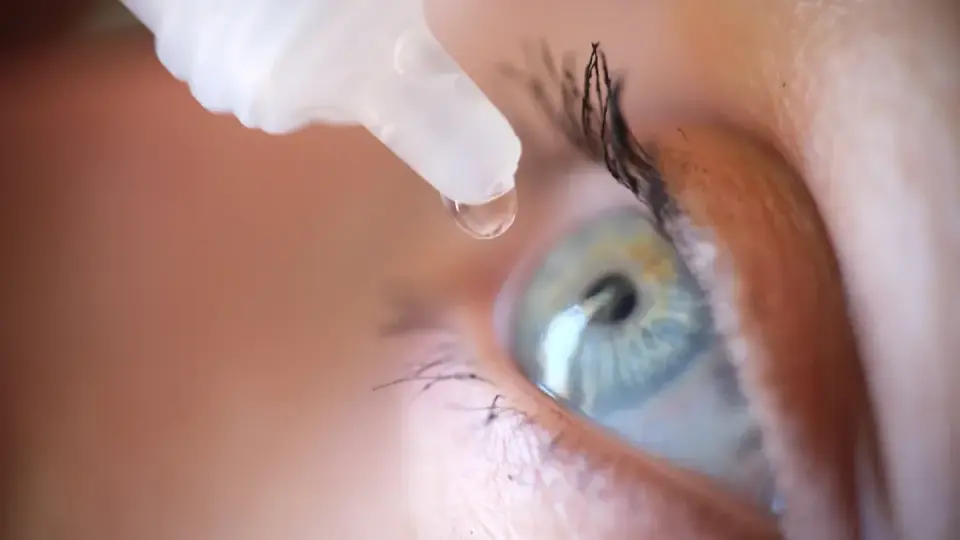
The FDA has issued a Class II recall for nearly 12 million bottles of Rohto Cooling Eye Drops due to a lack of sterility assurance. Manufactured in Vietnam and distributed in the US, the affected products include eight varieties. Consumers are advised to stop using the drops immediately and return them for a refund.
Key points
- The recall involves 11,960,623 cartons, totaling 12,460,649 bottles, of Rohto Cooling Eye Drops.
- The FDA classified this as a Class II recall, indicating potential temporary or reversible health effects but unlikely serious consequences.
- The issue stems from a 'lack of assurance of sterility,' meaning the products may not be free from harmful microbes.
- Eight specific product varieties are affected, including All-in-One, Max Strength, Optic Glow, Digi Eye, Dry Aid, and Cool Relief.
- The products were manufactured by Rohto-Mentholatum in Vietnam and distributed by The Mentholatum Company in New York.
Background
This recall follows a pattern of eye care product safety issues in 2026. In July, the FDA also recalled over 2.5 million bottles of prednisolone acetate eye drops by Lupin Pharmaceuticals due to potential foreign substance contamination. That earlier recall was also classified as Class II, highlighting ongoing scrutiny of ophthalmic product sterility and manufacturing standards.
How outlets are covering it
All sources agree on the scale and nature of the recall. NBC 5 and USA Today emphasize the specific number of cartons and bottles, while USA Today notes that the recall was initiated on July 14. WKRC and Everyday Health focus on the consumer advice to stop using the product. USA Today attempted to contact Mentholatum for comment but did not report a response, whereas other outlets did not mention outreach efforts. The FDA’s classification as Class II is consistently reported across all outlets, indicating a consensus on the risk level being temporary rather than severe.
Why it matters
Eye drops are often used without prescription for common issues like dryness or redness. A sterility failure in such a widely used product poses a direct risk of eye infection or irritation. The large volume of affected units (over 12 million bottles) means a significant portion of the US population may have these products in their homes, making public awareness and prompt disposal critical to preventing health complications.
What to watch
Consumers should check their lot numbers against the FDA’s list of affected lots. If their product is included, they should stop using it immediately and either dispose of it or return it to the place of purchase for a refund. The FDA can be contacted at 1-888-INFO-FDA for further questions. No further action is expected from the FDA unless new safety issues arise, but manufacturers may face increased scrutiny of their sterility protocols.
- Millions of eye drops recalled nationwide over sterility concerns NBC 5 Dallas-Fort Worth
- Millions of eye drops recalled. See list of affected products usatoday.com
- Over 12 Million Bottles of ‘Cooling’ Eye Drops Recalled Nationwide Everyday Health
- Nearly 12 million bottles of Rohto eye drops recalled over sterility concerns, FDA announces Fox Business
- Over 12 million eye drops recalled for potentially not being sterile midmichigannow.com
Want the full story? Read the original reporting
Read on NBC 5 Dallas-Fort Worth