
GLP-1 Adoption Reshapes Thanksgiving Habits and Social Norms
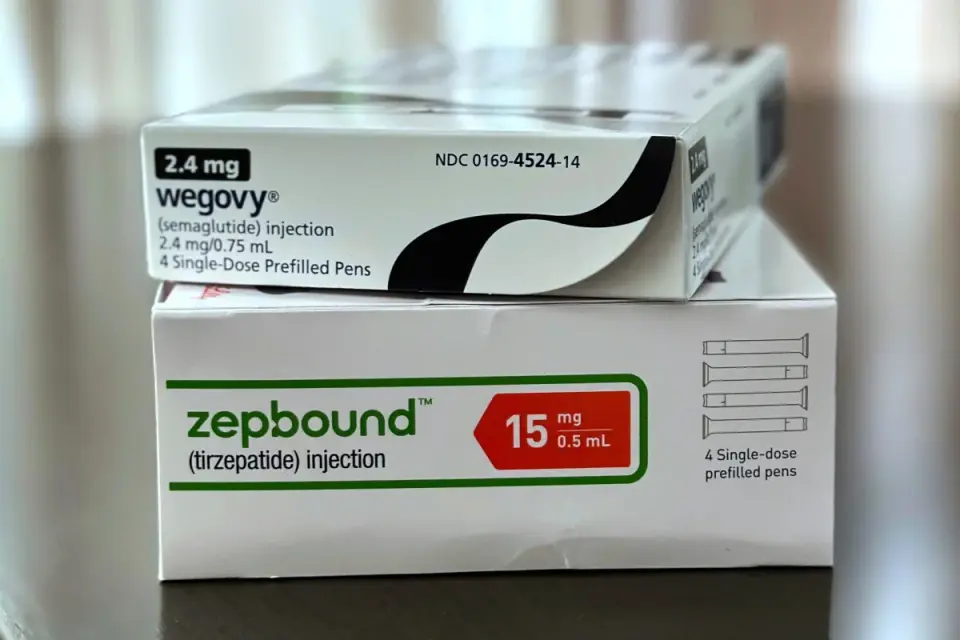
As GLP-1 weight-loss drugs gain widespread use, Americans are redefining holiday dining. Users report reduced appetite and altered sensory pleasure, leading to smaller portions and a shift away from traditional indulgence. While the Trump administration has expanded access through price cuts and Medicare trials, experts warn that social pressure and stigma around eating habits remain significant challenges for patients during the holidays.
Key points
- GLP-1 users like Kim Dillard Davis report eating smaller portions and sampling rather than indulging, citing reduced appetite and potential side effects like nausea.
- A Gallup poll from May-June 2026 indicates 11% of U.S. adults currently take GLP-1s for weight loss, with 15% having used them, a 9 percentage point increase from two years prior.
- The Trump administration signed a 2025 deal with Eli Lilly and Novo Nordisk to lower prices for Zepbound and Wegovy, and launched the Medicare GLP-1 Bridge, offering drugs for $50 a month to eligible beneficiaries until 2027.
- Doctors advise new users to practice moderation, stay hydrated, and avoid heavy fatty foods to prevent side effects, emphasizing that Thanksgiving does not need to be off-limits.
- Experts highlight the social impact, urging family members to avoid commenting on others' portion sizes or pushing them to eat, as GLP-1 users may experience grief over lost sensory rewards from food.
Background
This shift follows a period of rising GLP-1 usage and policy changes. Recent archive coverage noted that the average cost of a Thanksgiving dinner for ten rose 6% to $58.63 in 2026, driven by grocery inflation. Additionally, debates have intensified regarding pediatric prescriptions and the stigmatizing language used by some officials to describe these medications, which critics argue ignores their broader therapeutic benefits for conditions like diabetes and heart disease.
Why it matters
The growing prevalence of GLP-1s is altering not just individual health outcomes but also cultural norms around food and family gatherings. As more Americans adopt these medications, the social dynamics of shared meals are changing, requiring a new approach to hospitality and dietary expectations. This trend also reflects broader policy shifts aimed at combating obesity, which affects over 100 million U.S. adults, potentially influencing future healthcare costs and public health strategies.
What to watch
The Medicare GLP-1 Bridge program is scheduled to sunset after December 31, 2027, though its long-term impact on adoption rates remains to be seen. As the drugs become more mainstream, experts anticipate a gradual reduction in traditional holiday over-indulgence, but the social and psychological adjustments for both users and their families will continue to evolve. Future policy decisions will likely focus on sustaining access and addressing the stigma associated with weight-loss medications.
Want the full story? Read the original reporting
Read on AP News