
GLP-1 Weight Loss Drives Surge in Facial Volume Restoration Procedures
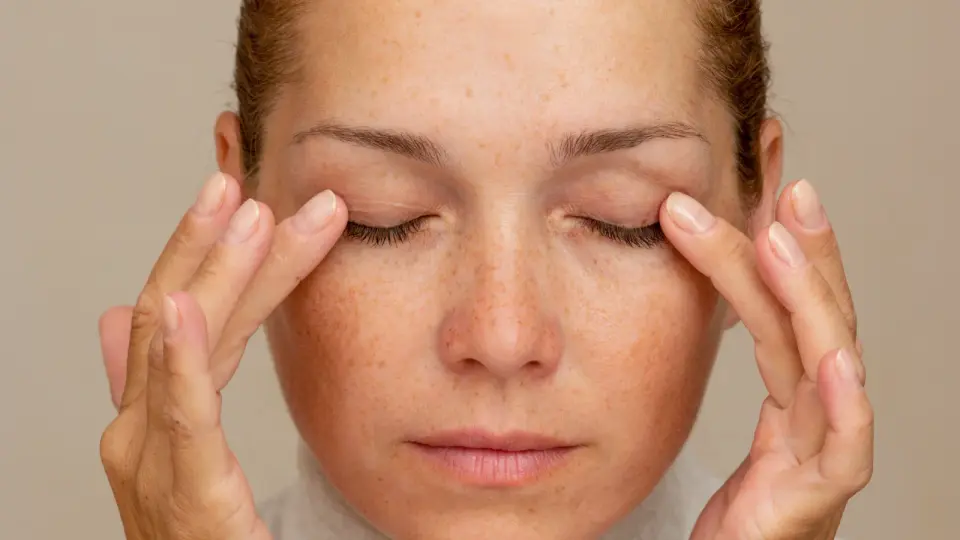
Rapid weight loss from GLP-1 drugs like Ozempic is causing 'temporal hollowing' and facial sagging, driving a surge in demand for cosmetic fillers and fat grafting. While this creates significant business opportunities for aesthetics companies, surgeons warn that DIY dosing increases risks, and the temples are a high-risk area for filler complications.
Key points
- Plastic surgeons report a sharp increase in patients seeking treatment for 'temporal hollowing,' a loss of volume in the temples caused by rapid weight loss from GLP-1 medications.
- The American Academy of Facial Plastic and Reconstructive Surgery found that 67% of members saw an increase in patients seeking aesthetic treatments for weight-loss-related changes in 2025, up 45% from 2024.
- Facial fat grafting procedures have increased by 50% for two consecutive years as patients seek to address hollowed cheeks and skin laxity.
- Galderma, a major aesthetics company, reported 32% sales growth in the U.S., attributing part of this to the expanding market of GLP-1 users needing facial volume restoration.
- Surgeons warn that the temple area is high-risk for filler injections due to dense vascular networks, with potential complications including blindness if performed incorrectly.
Background
The phenomenon known as 'Ozempic face' has evolved from a general concern about facial aging to specific issues like temporal hollowing. Previously, the focus was on overall facial sagging; now, the emphasis is on the temples, which are critical for a youthful appearance. This trend follows the widespread adoption of GLP-1 receptor agonists for weight management, which often lead to rapid fat loss that outpaces the body's ability to maintain skin elasticity and volume.
How outlets are covering it
USA TODAY highlights the medical risks, specifically noting that the temples are a 'high-risk area' for filler injections due to the presence of veins and arteries, with Dr. Terry Dubrow warning that improper treatment could lead to blindness. He emphasizes that gradual weight loss under medical supervision minimizes these aesthetic issues. In contrast, CNBC focuses on the commercial opportunity, with Galderma CEO Flemming Ørnskov noting that the growing GLP-1 user base is driving 'very strong growth' in their aesthetics portfolio, particularly in the U.S. Medscape provides a broader clinical perspective, noting that while facial changes are prominent, body contouring complications do not significantly differ between GLP-1 users and those who lost weight through other methods, though perioperative risks related to gastric emptying remain a concern.
Why it matters
The rise of GLP-1 medications is reshaping the aesthetic medicine industry, creating a new patient profile with specific needs for volume restoration. This trend highlights the intersection of pharmacology and cosmetic surgery, where rapid physiological changes necessitate careful, specialized interventions to avoid serious complications. It also underscores the importance of medical supervision in weight loss to prevent unintended aesthetic consequences.
What to watch
Expect continued growth in the aesthetics market as more adults adopt GLP-1 drugs for weight loss. Surgeons will likely develop more tailored protocols for treating facial volume loss, while companies like Galderma may expand their product lines to address specific GLP-1-related side effects. Regulatory and medical bodies may also issue updated guidelines on managing perioperative risks for patients on these medications.
- Ozempic is giving people 'temporal hollowing.' Doctors are sounding an alarm. USA Today
- Beyond Beauty: Why GLP-1s Are Prompting a Nutricosmetics Evolution IQVIA
- Ozempic face? Botox boom boosted by 'sagging face' trend, Swiss firm says CNBC
- GLP-1 Drugs: Is Ozempic Face Changing Aesthetic Care? Medscape
- Ozempic Face Phenomenon Fuels Demand for Aesthetic Treatments, Swiss Firm Reports - Earnings Manipulation Risk dars.gov.et
Want the full story? Read the original reporting
Read on USA Today