
Prime Healthcare to halt births at 3 Illinois hospitals by Oct. 1
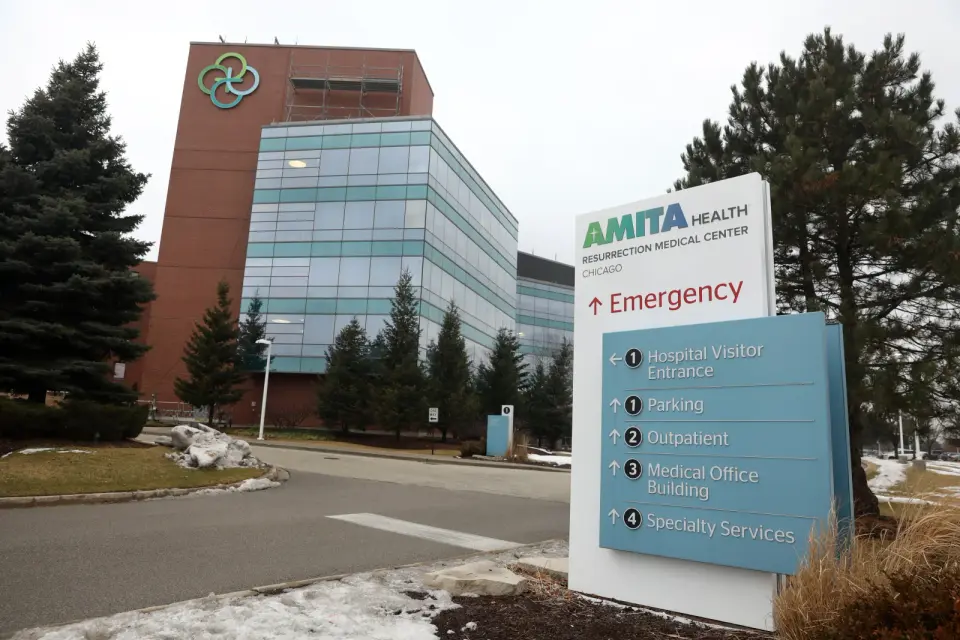
Prime Healthcare will suspend obstetric services at three Illinois hospitals—St. Joseph in Joliet, Mercy in Aurora, and Resurrection in Chicago—effective October 1. The for-profit system cites low birth volumes and financial distress, planning to centralize care at St. Mary of Nazareth and Olympia Fields. Approximately 75 nurses will be reassigned, and the company will offer $1 million in community grants. The move follows recent cuts to pediatric and maternity units, drawing sharp criticism from unions and lawmakers who argue the decisions prioritize profit over local access.
Key points
- Prime Healthcare will suspend obstetric care at St. Joseph Medical Center, Mercy Medical Center, and Resurrection Medical Center on October 1.
- The company plans to consolidate services at St. Mary of Nazareth and Olympia Fields Hospitals, designating them as centers of excellence for maternal care.
- Approximately 75 full-time nurses will be affected, with the company offering alternative positions within the system; 331 roles are currently open.
- Prime will provide $1 million in grants for maternal health initiatives and expand community provider partnerships to support prenatal and postpartum care.
- The suspensions follow previous cuts, including the closure of OB services at St. Mary’s in Kankakee and a request to close the pediatric unit at St. Joseph.
Background
Prime Healthcare acquired eight Illinois hospitals from Ascension in March 2025 for over $370 million and purchased a ninth facility earlier this year. The company has faced scrutiny for recent service reductions, including a 100-job cut announced shortly after the acquisition. This consolidation aligns with a broader industry trend of closing low-volume obstetric units to create specialized centers, a strategy often criticized for reducing local access despite claims of improved quality.
How outlets are covering it
Prime Healthcare and the Illinois Health and Hospital Association argue that consolidating services addresses demographic shifts and financial challenges, ensuring higher quality care through specialized centers. Conversely, the Illinois Nurses Association and Senator Rachel Ventura criticize the move as driven by corporate greed, arguing that closing units in major cities like Joliet harms community access and forces nurses into difficult transitions. While Prime emphasizes patient safety and efficiency, union leaders and local politicians highlight the negative impact on families and the broader conversation regarding equitable healthcare access.
Why it matters
The decision reduces local access to birth care in three major Illinois communities, potentially forcing patients to travel farther for services. It also highlights the tension between for-profit healthcare consolidation and community needs, as well as the impact of demographic shifts and Medicaid cuts on hospital viability. The move may influence future decisions regarding service closures and labor relations in the region.
What to watch
Prime Healthcare will implement the suspensions on October 1 and begin reassigning affected nurses. The company will distribute $1 million in grants for maternal health initiatives. Nurses at St. Mary of Nazareth are planning a one-day strike later this week to negotiate their first contract with Prime. The suspensions could be reversed if demand increases, though no timeline for such a review has been specified.
- Prime Healthcare plans to suspend obstetric services at 3 Illinois hospitals, consolidate care Chicago Tribune
- 3 prominent Chicago-area hospitals to suspend OB services, Prime Healthcare announces NBC 5 Chicago
- Prime Healthcare plans to suspend obstetrical services at 3 Illinois hospitals, consolidate care Daily Herald
- Ventura releases statement on plan to close OB unit at St. Joseph’s Hospital 1340 WJOL
- Prime Healthcare Establishes Centers of Excellence for Maternal Care at Saint Mary of Nazareth Hospital and Olympia Fields Hospital Yahoo Finance
Want the full story? Read the original reporting
Read on Chicago Tribune