
Vinegar and Water Mix Offers Modest Frost Prevention for Windshields
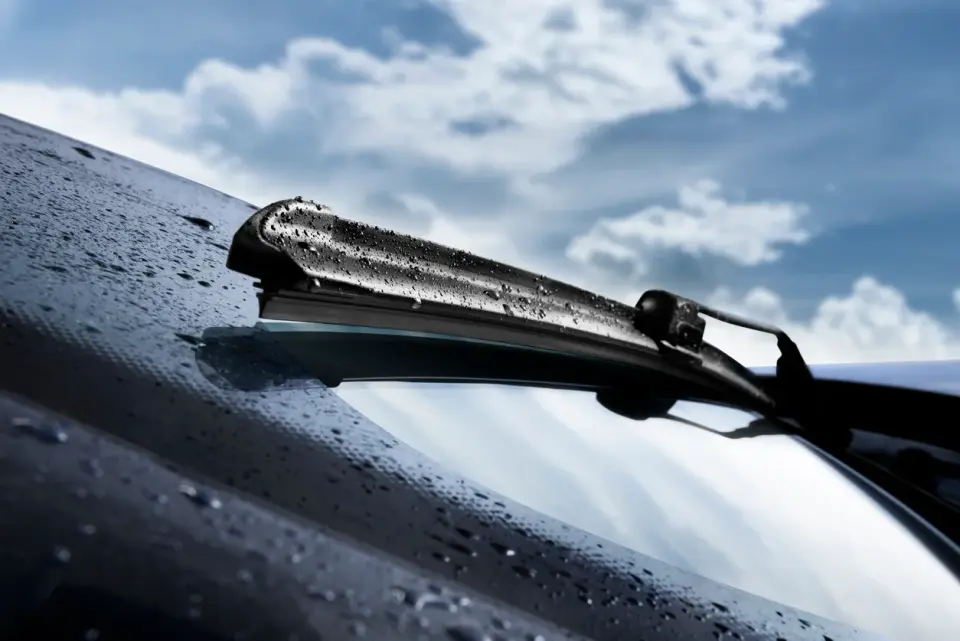
A Norwegian home site recommends spraying a mixture of three parts white vinegar to one part water on car windshields before frosty nights to prevent ice formation. While the acetic acid lowers the freezing point slightly, experts note it is ineffective for melting existing ice and requires careful application to avoid damaging paint or wiper blades.
Key points
- The recommended mixture consists of three parts white vinegar to one part cold or lukewarm water, optionally with a drop of dish soap for better spread.
- The method aims to prevent frost formation rather than melt ice that has already accumulated on the glass.
- AAA experts indicate the freezing point of the mixture is only marginally lower than that of plain water, limiting its effectiveness.
- Applying the solution requires clean, dry glass and a thin layer spread with a microfiber cloth to avoid streaking.
- Vinegar is acidic and can damage paint, chrome, and rubber wiper blades if not wiped up promptly or applied carefully.
- The technique may also help clean insect remains and reduce interior condensation, according to El Cronista.
Background
As winter approaches, drivers seek cost-effective methods to manage windshield visibility. While commercial frost-prevention sprays exist, household alternatives like vinegar have gained attention for their accessibility. Previous advice often focuses on mechanical scraping or chemical de-icers, but this method relies on a simple preventive coating applied the evening before cold weather.
Why it matters
Understanding the limitations of household remedies helps drivers avoid damaging their vehicles while attempting to save money. While vinegar may offer slight preventive benefits, relying on it for severe ice removal is ineffective and potentially harmful to car components. Knowing the correct ratio and application method ensures safety and minimizes risk to paint and glass integrity.
What to watch
Drivers should monitor weather forecasts and apply the mixture only when frost is predicted. They must ensure the windshield is clean before application and avoid using hot water on frozen glass. For heavy ice, traditional scraping or commercial products remain necessary. Regular maintenance of wiper blades and prompt cleanup of any vinegar spills on paint will preserve vehicle condition.
Want the full story? Read the original reporting
Read on TheCoolist