
Bay Area Cottage Listing Sparks Outrage Over $200 Remote Work Surcharge
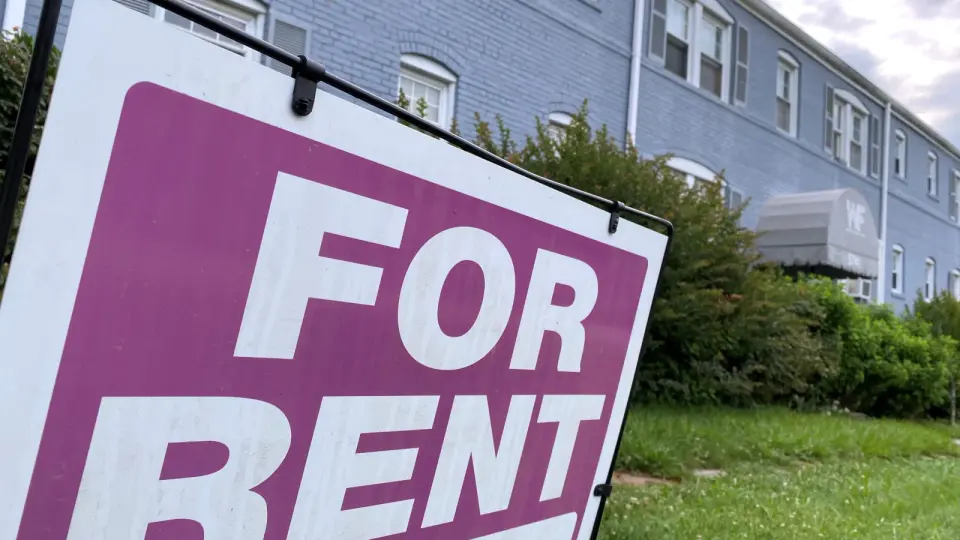
A newly built rental in Walnut Creek, California, triggered widespread backlash after listing a $200 monthly fee for tenants who work from home. The 535-square-foot accessory dwelling unit was advertised at $3,250 per month, including utilities and internet, but the additional charge for remote workers drew criticism from renters and housing experts. The listing was removed from the market following the viral reaction, though legal experts note that such fees are not universally banned and may be used to circumvent rent caps in high-cost areas.
Key points
- The listing for a one-bedroom cottage in Walnut Creek’s Northgate neighborhood included a $200 monthly surcharge for remote workers, on top of $3,250 base rent.
- The property was advertised with included utilities, internet, and a gardener, but the work-from-home fee caused outrage on social media and news platforms.
- Housing experts and legal analysts suggest landlords may use these fees to offset higher utility costs or bypass rent control laws, particularly in tech-heavy regions.
- The listing was taken down after backlash, but similar fees have been reported in other markets, including North Carolina and Austin, Texas.
- Legal protections vary by state; California requires full disclosure of fees, while some jurisdictions have introduced junk fee regulations to combat hidden charges.
Background
This incident occurs amid rising housing costs and growing scrutiny of hidden fees in rental agreements. The Bay Area has seen significant rent increases, with one-bedroom units rising 23% to $4,180 and two-bedroom units up 26% to $6,020, according to Zumper. Remote work remains prevalent, with 28% of paid workdays in the Bay Area occurring from home, down slightly from 32% in 2024. Previous coverage of housing issues has highlighted the financial strain on renters, with about half considered cost-burdened, spending over 30% of their income on housing.
How outlets are covering it
USA TODAY and Yahoo emphasize the viral nature of the backlash and the emotional response from renters, describing the fee as 'insane' and 'absurd.' Patch focuses on the local impact in Walnut Creek and the lack of explanation for the fee in the listing. Realtor.com provides a more balanced view, noting that while renters are outraged, some corporate housing advocates defend the fees as utility cost recovery. Legal experts cited by Realtor.com, such as Jessica Bober and Barry Janay, highlight the legal complexities, noting that while some states require transparency, others do not explicitly ban such fees. USA TODAY and Yahoo also note that the landlords did not respond to requests for comment, while Patch questions whether the fee will be reinstated.
Why it matters
The incident highlights the growing tension between landlords and renters over hidden fees and the financial impact of remote work on housing costs. As rents continue to rise, particularly in high-cost areas like the Bay Area, such fees could exacerbate housing affordability issues. The legal and regulatory landscape is evolving, with some states introducing junk fee regulations, but the lack of federal protections leaves many renters vulnerable to unexpected charges. This case may set a precedent for how landlords and tenants navigate the costs of remote work in the housing market.
What to watch
Housing experts and legal analysts will likely continue to monitor the use of work-from-home fees in rental agreements, particularly in high-cost areas. Tenants are advised to review lease agreements carefully for hidden fees and to negotiate with landlords if possible. Regulatory bodies may also consider further legislation to address such fees, especially in states with rent control laws. The incident may also prompt more scrutiny of utility cost allocation in multi-tenant buildings, as landlords seek to recover costs from remote workers.
- The rent was already high. Then came the $200 work-from-home fee USA Today
- Walnut Creek landlords tried a $200 work-from-home upcharge SFGATE
- Bay Area Rental Goes Viral for Charging Remote Workers $200 More a Month Yahoo
- 'Work-From-Home' Fee Tacked Onto Pricey ADU In Contra Costa Listing Patch
- The Work-From-Home Surcharge: Inside the Controversial New Fee Affecting Renters Realtor.com
Want the full story? Read the original reporting
Read on USA Today