
Treasury Proposes Ban on Institutional Investors Buying Single-Family Homes
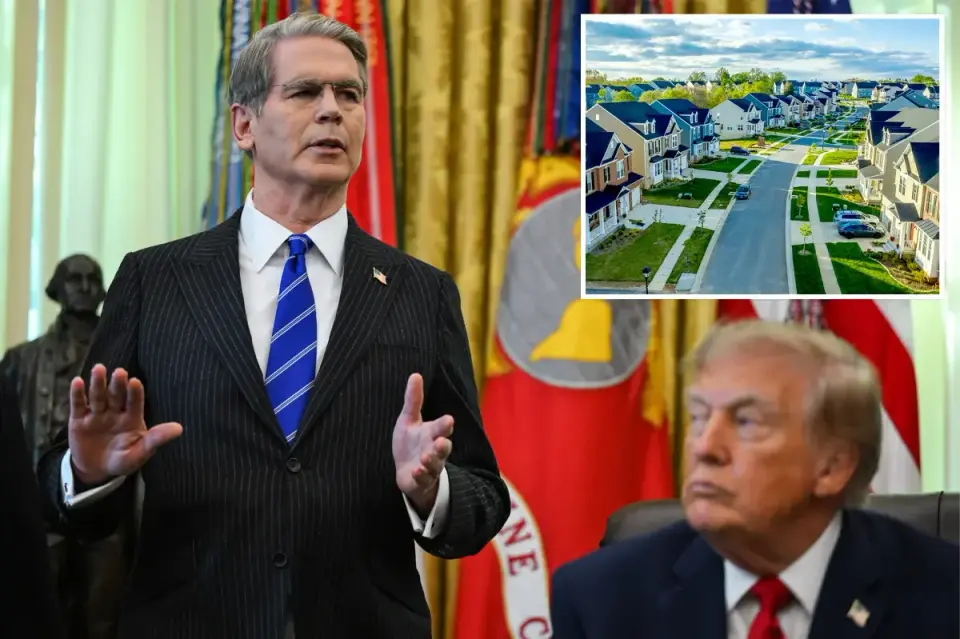
The US Treasury Department has released a proposed federal rule that would prohibit institutional investors from purchasing single-family homes starting January 7, 2027. This move implements the ROAD to Housing Act, which defines institutional investors as entities owning 350 or more homes. The rule includes exceptions for build-to-rent, renovate-to-rent, and homeownership programs, aiming to increase housing supply and limit large corporate influence in the market. A 30-day public comment period will follow the proposal.
Key points
- The US Treasury issued a notice of proposed rulemaking on October 22, 2026, to ban institutional investors from buying single-family homes effective January 7, 2027.
- The rule implements the ROAD to Housing Act, which defines institutional investors as entities owning 350 or more homes, though President Trump initially refused to sign the bill to pressure Congress on other legislation.
- Exceptions to the ban include 'excepted purchases' such as build-to-rent programs, renovate-to-rent initiatives that bring homes up to code, and specific homeownership programs.
- Treasury Secretary Scott Bessent stated the rule aims to restore affordable homeownership for young and working families by increasing housing supply and limiting the role of large investors.
- The proposed rule will outline civil penalties for violations and include a 30-day public comment period before finalization.
- The ROAD to Housing Act became law despite Trump's initial refusal to sign it, as he did not veto the measure, and he later signed an executive order codifying some of its requirements.
Background
This regulatory action occurs amid a significant rise in mortgage rates, which surged past 7.5% in late September 2026 and stabilized around 7.28% in early October, driven by bond market volatility and geopolitical tensions. These high rates have squeezed buyer purchasing power and increased pressure on the fall housing market, making affordability a critical political issue ahead of midterm elections. The proposed rule is part of a broader effort to address housing costs, which populists on both sides of the political spectrum have linked to large investment firms like Blackstone, though some experts argue that government restrictions on new construction are the primary driver of high prices.
Why it matters
The proposed rule represents a significant shift in federal housing policy, directly targeting the role of large institutional investors in the single-family home market. By restricting these purchases, the government aims to increase housing supply and make homeownership more accessible for average Americans, potentially influencing home prices and market dynamics. The rule's implementation could have far-reaching effects on the real estate industry and housing affordability, especially as mortgage rates remain high and political pressure to address housing costs intensifies.
What to watch
A 30-day public comment period will follow the introduction of the proposed rule, allowing stakeholders to provide feedback before the Treasury finalizes the regulations. The ban on institutional investors purchasing single-family homes is set to take effect on January 7, 2027, unless significant changes are made during the comment period. The outcome of this process will determine the extent to which large investors can participate in the single-family home market and the potential impact on housing supply and affordability.
Want the full story? Read the original reporting
Read on New York Post