
Crown Heights Residents Question Fit of 94-Unit Troy Avenue Development
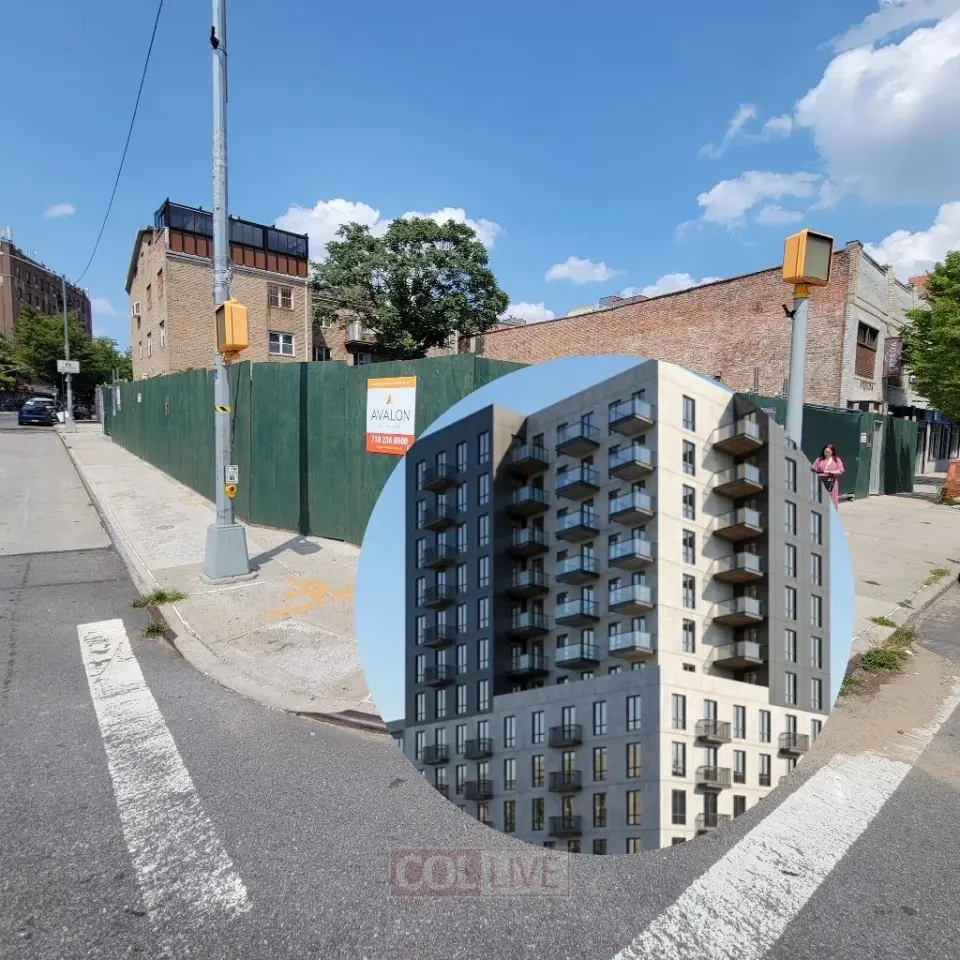
Developer Yonah Grunhut has filed plans for a 13-story, 94-unit mixed-use building at 767 East New York Avenue in Crown Heights, Brooklyn. The project, which replaces a former auto repair shop, features apartments averaging 561 square feet. Community members have raised concerns that the small unit sizes may not adequately serve local families seeking larger living spaces, sparking debate about whether new construction is meeting the specific needs of the existing neighborhood.
Key points
- Permits were filed for a 13-story, 94-unit mixed-use building at the corner of Troy Avenue and East New York Avenue.
- The developer is Yonah Grunhut of Grun Group LLC, replacing the former 770 Auto repair shop.
- Proposed apartments average approximately 561 square feet, drawing criticism for being too small for growing families.
- The property was sold by a Lubavitch resident to a Satmar developer from Williamsburg, including unused development rights from a neighboring property.
- Residents argue that while Crown Heights needs more housing, the current plan may not address the needs of local families.
Background
This development follows recent speculation regarding the future of Empire Kosher Supermarket in Crown Heights, where lease negotiations and rumors of relocation linked to nearby developments at Crown Street and Troy Avenue have circulated since August 2026. The area has also seen other significant events, including a shooting incident involving an NYPD officer in July 2026, highlighting the dynamic and sometimes turbulent nature of the neighborhood's recent history.
Why it matters
The controversy highlights a critical tension in Brooklyn's housing market: the balance between increasing unit counts and ensuring that new developments provide suitable living spaces for existing community demographics. If new construction primarily consists of small units, it may fail to address the housing shortage for families, potentially displacing them or forcing them to seek housing elsewhere. This case serves as a test for how zoning and development rights are utilized in Crown Heights and whether they prioritize community needs over density alone.
What to watch
The project will likely face community scrutiny and potential public hearings as it moves through the permitting process. Residents may organize to voice concerns about the apartment sizes and the impact on the neighborhood's demographic composition. The developer may need to address these concerns or adjust plans to gain approval, while the broader debate over who new housing in Crown Heights is built for will continue to influence future development projects in the area.
Want the full story? Read the original reporting
Read on COLlive