
Drone and Weather Balloon Trigger Two-Hour Ground Stop at San Diego International Airport
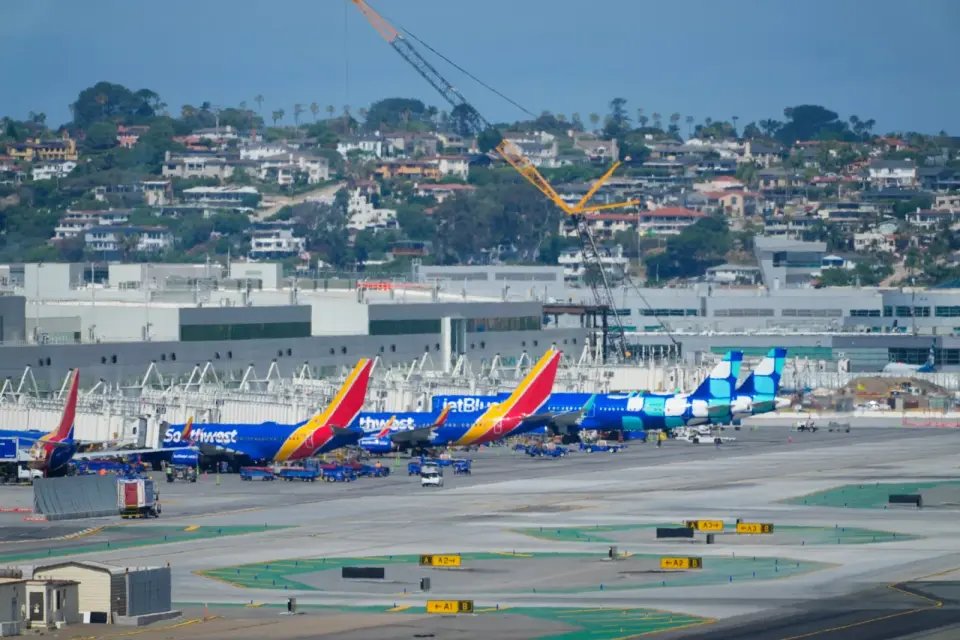
On Friday, September 4, 2026, the Federal Aviation Administration (FAA) temporarily halted all arrivals and departures at San Diego International Airport (SAN) after a drone and a weather balloon were spotted near the facility. The ground stop began around 2:00 p.m. and lasted until an all-clear was issued at 4:30 p.m., resulting in delays of approximately two hours for hundreds of flights. The disruption occurred during the peak of the Labor Day weekend travel period. While the FAA confirmed the objects, TSA law enforcement is investigating the drone activity. Separately, a high-altitude airship was spotted over the region, but officials confirmed it was not related to the airport closure.
Key points
- FAA paused all air traffic at SAN from 2:00 p.m. to 4:30 p.m. on September 4, 2026, due to a drone and weather balloon sighting.
- More than 400 flights were delayed by 5:00 p.m., with average delays reaching 122 minutes, according to FlightAware and FAA data.
- TSA law enforcement is investigating the drone activity, while airport officials confirmed the second object was a weather balloon.
- A high-altitude airship, possibly a Sceye platform returning from Japan, was seen over San Diego but was not involved in the airport shutdown.
- The incident occurred during Labor Day weekend travel, exacerbating existing traffic management programs at the airport.
Background
This incident follows a pattern of drone-related disruptions at U.S. airports, including a recent explosive drone sighting at Leipzig airport in Germany that triggered bomb squad responses. In August 2026, severe weather in Denver also caused mass flight diversions, highlighting vulnerabilities in air traffic management. The current event adds to ongoing concerns about airspace security and the coordination between federal agencies like the FAA and TSA in managing unexpected aerial threats.
How outlets are covering it
The San Diego Union-Tribune and NBC 7 San Diego reported consistent facts regarding the timing and duration of the ground stop, citing airport officials and FAA advisories. Both outlets emphasized the impact on Labor Day weekend travelers, with NBC 7 including passenger testimonials describing delays of up to 3.5 hours. 10News.com provided a brief confirmation of the event without additional detail. SanDiegoVille offered the most comprehensive analysis, distinguishing between the low-altitude drone/weather balloon that caused the shutdown and a separate high-altitude airship (HBAL124) spotted over the city. SanDiegoVille noted that while the airship was likely a Sceye platform returning from a trans-Pacific mission, there was no evidence linking it to the airport closure, clarifying a potential public misconception. All sources agreed that TSA was investigating the drone, but only SanDiegoVille detailed the broader context of the airship’s identity and altitude.
Why it matters
The incident underscores the fragility of air traffic systems during peak travel periods and the potential for minor aerial intrusions to cause significant economic and logistical disruptions. The simultaneous presence of a high-altitude experimental airship and a low-altitude drone created confusion among the public, highlighting the need for clear communication from authorities. The investigation by TSA may lead to stricter enforcement of drone regulations near airports, potentially impacting recreational and commercial drone operations in the region.
What to watch
TSA law enforcement will continue its investigation into the drone activity to identify the operator and determine intent. Airport operations have resumed, but residual delays are expected as airlines work through the backlog. SanDiegoVille has contacted Sceye for confirmation regarding the high-altitude airship, which may provide further clarity on the object’s identity and mission. The FAA may review its traffic management programs for SAN, given the pre-existing ground stop conditions on the day of the incident.
- Hundreds of flights delayed at San Diego airport after weather balloon and drone spotted San Diego Union-Tribune
- San Diego International Airport flights delayed by drone and weather balloon NBC 7 San Diego
- Drone and weather balloon delay flights at San Diego International Airport 10News.com
- Mysterious High-Altitude Airship Spotted Above San Diego As Drone Shuts Down Airport Operations sandiegoville.com
- San Diego Departures Cleared "At Their Own Risk" After Drone Grounds 400+ Flights Simple Flying
Want the full story? Read the original reporting
Read on San Diego Union-Tribune