
Pineapple Hill Saloon Faces Closure in Sherman Oaks After 48 Years
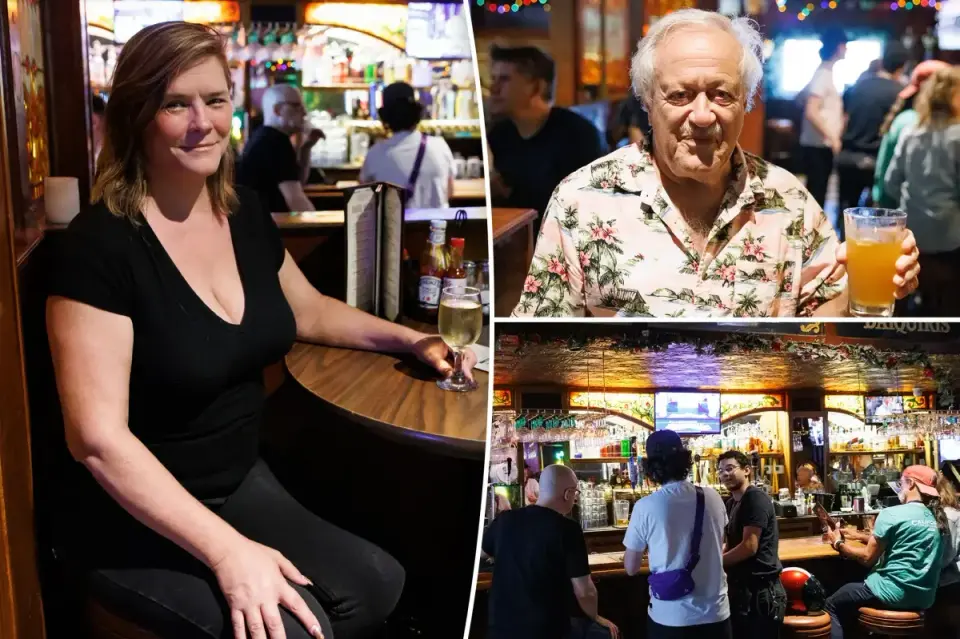
Pineapple Hill Saloon & Grill, a historic Los Angeles dive bar operating since 1978, faces closure by October 6 due to redevelopment. Owner Angela Marsden received a 60-day eviction notice from developer Blumax Partners, despite prior promises of lease renewal. The bar, known for its community atmosphere and 2020 viral pandemic response, is seeking legal aid and public support to relocate or negotiate a return. Marsden reports earning less than $60,000 annually and cites rising rents as barriers to moving. A GoFundMe campaign has raised $2,392 of a $9,000 goal, while a Change.org petition has gathered 1,157 signatures. Regulars, including long-time patrons and transplants, express distress over the loss of a neighborhood anchor. The site is slated for exterior remodeling and parking lot restructuring. Marsden describes the eviction as a betrayal, noting the developer has not responded to her communications. The bar’s closure would impact 16 employees, some of whom have worked there since its inception. Local advocates and residents argue that such closures erode community cohesion in Los Angeles.
Key points
- Pineapple Hill Saloon & Grill, established in 1978, received a 60-day eviction notice on August 6 from developer Blumax Partners, with a deadline of October 6 to vacate the premises.
- Owner Angela Marsden states she was promised first right of refusal for a new lease after being moved to month-to-month leases seven years ago, but no written agreement was provided.
- Marsden reports earning less than $60,000 annually and cites high commercial rents and permitting challenges as obstacles to relocating the business.
- The bar gained national attention in 2020 when Marsden crowdfunded approximately $185,000 to survive pandemic restrictions, a campaign that helped sustain the business.
- A new GoFundMe campaign titled 'Save Pineapple Hill' has raised $2,392 of a $9,000 goal to fund legal assistance, while a Change.org petition has collected 1,157 signatures.
- The site is planned for exterior facade remodeling and parking lot restripping, with other small businesses on the property also receiving eviction notices, except for an adjacent In-N-Out Burger.
Background
This closure follows a broader trend of small business displacement in Los Angeles, as noted in recent coverage of other establishments like Tippett Studio in Berkeley, which closed after nearly 40 years due to financial and ownership changes. While Tippett Studio’s closure involved bankruptcy and asset liquidation, Pineapple Hill’s situation stems from redevelopment pressure and lease disputes, highlighting distinct but parallel challenges facing legacy businesses in urban areas. The archive does not provide new developments but underscores the recurring theme of historic venues losing their physical spaces to commercial pressures.
Why it matters
The potential closure of Pineapple Hill Saloon illustrates the fragility of long-standing neighborhood businesses in high-cost urban environments like Los Angeles. It highlights the tension between redevelopment interests and community preservation, with legal and financial barriers preventing small operators from securing stable leases. The case underscores the human and social costs of displacement, affecting not just the owner and employees but also the broader community that relies on such spaces for social cohesion. It also reflects the growing concern among younger residents about the loss of informal gathering places, which are increasingly seen as vital for maintaining local identity and connection. The outcome may influence future advocacy for commercial rent protections for historic businesses in Los Angeles.
What to watch
Marsden is pursuing legal assistance to negotiate a return agreement or secure a new location, with the GoFundMe campaign aimed at covering these costs. The Change.org petition seeks to pressure the landlord or city council for action. If no resolution is reached by October 6, the bar will likely close, and the site will undergo redevelopment. Marsden’s efforts to relocate are constrained by high rents and permitting hurdles, making a move unlikely without external support. The outcome will depend on whether the developer engages in negotiations or if city officials intervene to protect legacy businesses.
Want the full story? Read the original reporting
Read on New York Post