
Sound Transit Board Approves $87M Fare Gate Pilot for 14 Link Stations
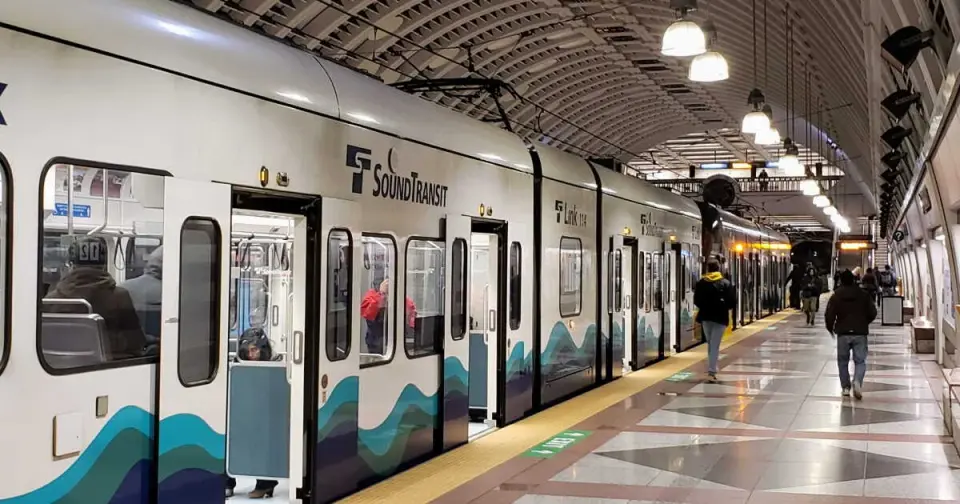
The Sound Transit Board approved a pilot program to install fare gates at 14 Link light rail stations, aiming to boost revenue and fare compliance. The project, estimated at $87 million, targets major hubs like the International District/Chinatown and SeaTac Airport, with installation scheduled between 2029 and 2030. This move addresses a 33% fare evasion rate and seeks to meet a 22% farebox recovery target, though it requires riders to tap cards upon exit, a significant change from current practices.
Key points
- The Sound Transit Board approved a pilot program to install fare gates at up to 14 stations on the Link 1 and 2 Lines, including Northgate, International District/Chinatown, SeaTac Airport, and Bellevue Downtown.
- The total estimated cost for the pilot, including design and construction, is $87 million, with an initial $6 million allocation for planning approved in August 2026.
- Installation is targeted for late 2029 to early 2030, with the pilot expected to run through 2034, at which point the investment is projected to pay for itself.
- The agency estimates the gates will generate between $32.8 million and $82.7 million in additional annual net revenue, helping meet a 22% farebox recovery target.
- Riders will need to tap their ORCA cards to exit gated stations, a shift from the current practice of tapping only before boarding, though reduced-fare and youth riders may use overrides or onsite enrollment.
Background
This decision follows earlier delays to the West Seattle extension and a recent derailment incident at the International District/Chinatown station in August 2026. The agency previously rejected fare gates due to high costs relative to revenue, but a new study indicates that the expanded network of 60 miles and 50 stations now makes the investment viable. The move aligns Link with other major transit systems like New York and Los Angeles that have long used turnstiles.
How outlets are covering it
Supporters, including some regular riders, argue that fare gates are necessary for financial sustainability and fair cost-sharing, noting that current fare ambassadors are less cost-effective. Critics, including some low-income riders, express concern that gates may exclude those who cannot afford fares, despite existing discounted passes. Sound Transit emphasizes that the pilot will address accessibility and reduced-fare access, while KIRO News highlights that approximately 63% of riders currently pay, suggesting significant room for improvement in compliance.
Why it matters
The fare gate pilot is a critical step for Sound Transit to secure funding for the ST3 expansion, which includes routes to West Seattle and Ballard. By improving farebox recovery, the agency aims to stabilize operations and potentially accelerate future infrastructure projects, though the rollout will require significant behavioral changes for riders and careful management of accessibility for vulnerable populations.
What to watch
Sound Transit will begin contracting for gate manufacturing and installation, with a comprehensive evaluation framework to be presented to the Board by the end of 2027. The agency will also develop public engagement strategies and technology solutions to support the rollout, with installation targeted for 2029-2030. The Board will review the pilot's performance by 2034 to decide whether to continue, modify, or expand the program.
- Fare gates coming to 14 Seattle area light rail stations KUOW
- Fare gates are coming to many Link stations Sound Transit
- Sound Transit board votes to move forward with light rail fare gate pilot KING5.com
- Seattle light rail inches closer to installing fare gates The Seattle Times
- Sound Transit approves fare gates at 14 light rail stations, eyes up to $83M in new revenue MyNorthwest.com
Want the full story? Read the original reporting
Read on KUOW