
Sound Transit Board approves multi-year pilot for fare gates at 14 Link stations
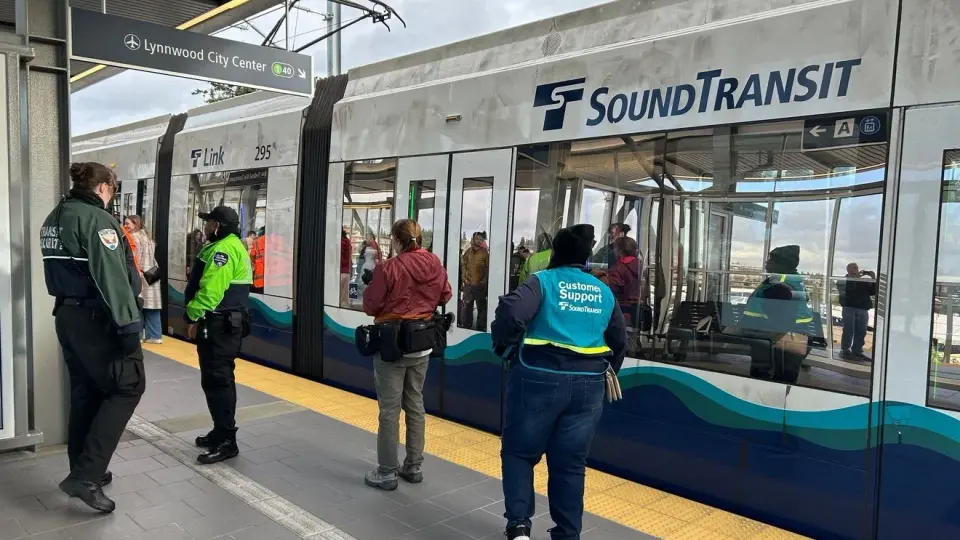
The Sound Transit Board approved a pilot program to install physical fare gates at up to 14 Link light rail stations by 2029-2030. The move aims to improve fare compliance and revenue, with estimates suggesting a return on investment within two to three years.
Key points
- The Sound Transit Board approved a pilot program to install and test fare gates at up to 14 stations on the Link 1 and 2 Lines.
- Installation is targeted for 2029-2030, with the pilot expected to run through roughly 2034.
- The estimated cost for construction, installation, and maintenance is approximately $87 million.
- Financial models project that fare gates could increase annual net fare revenues by $32.8 million to $82.7 million.
- The pilot aims to address declining fare compliance and meet the agency's 22% farebox recovery target.
Background
Link light rail originally opened in 2009 without turnstiles, relying on proof-of-payment enforcement by fare ambassadors. This system was common for street-level stations but has faced challenges as the network expanded to over 60 miles and 50 stations. Recent delays to other projects, such as the West Seattle extension, highlight ongoing budget pressures for Sound Transit.
How outlets are covering it
KOMO News and FOX 13 Seattle report on the approval and the specific stations selected, including Westlake, Capitol Hill, and University of Washington. Sound Transit emphasizes the financial viability of the gates, noting a breakeven point within two to three years. While all sources agree on the timeline and cost, Sound Transit highlights potential benefits like improved safety and wayfinding, whereas FOX 13 focuses on the shift from ambassador enforcement to mandatory scanning.
Why it matters
The implementation of fare gates marks a significant shift in how Sound Transit manages revenue and passenger flow. It addresses long-standing concerns about fare evasion and aims to stabilize funding for the expanding transit network, potentially influencing future infrastructure decisions across the region.
What to watch
Sound Transit will begin the contracting process for gate manufacturing and installation. The agency plans to present a comprehensive evaluation framework to the Board by the end of 2027 to determine whether to continue, modify, or expand the pilot. Public engagement strategies will also be developed in the coming months.
- Sound Transit approves fare gate pilot at up to 14 Link stations KOMO
- Fare gates are coming to many Link stations Sound Transit
- Sound Transit board votes to move forward with light rail fare gate pilot KING5.com
- Seattle light rail inches closer to installing fare gates The Seattle Times
- Sound Transit to install fare gates at Seattle stations by 2030 FOX 13 Seattle
Want the full story? Read the original reporting
Read on KOMO