
L.A. Water Crisis: 110-Year-Old Pipe Rupture Highlights Aging Infrastructure Strain
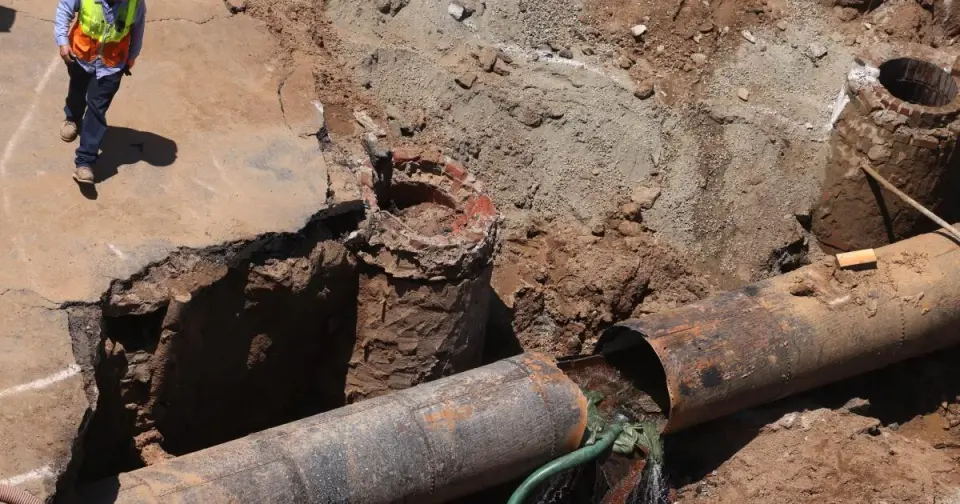
A 110-year-old water main ruptured under Sunset Boulevard in West Hollywood on July 16, 2026, releasing 17 million gallons of water and causing significant damage. This incident highlights the aging state of the Los Angeles Department of Water and Power (LADWP) network, where 30% of mainlines are over 80 years old. While LADWP is replacing 45 miles of pipe annually, experts debate whether this pace is sufficient, noting that age is not the only factor in pipe failure.
Key points
- The July 16 rupture involved a 36-inch pipe installed in 1916, which had been in service for 110 years.
- The break created a sinkhole and flooded West Hollywood, with a second leak occurring nearby on July 23.
- LADWP manages approximately 6,800 miles of smaller pipes and 570 miles of larger trunk pipes, with 30% of mainlines aged 80 or older.
- The utility is currently replacing about 45 miles of deteriorating lines annually, a rate triple that of two decades ago.
- Experts note that soil compaction and water table variables, not just age, determine pipe integrity.
Background
This incident follows a pattern of infrastructure strain in Los Angeles, including a major break in 2014 near UCLA that caused millions in damage. The city has long struggled with aging public works, from sidewalks to water systems, often leading to debates over maintenance funding and rate impacts. Recent coverage has also highlighted the complexity of managing water resources during drought conditions, as seen in other global cities like Cambridge, UK.
How outlets are covering it
The Los Angeles Times frames the issue as a crisis of aging infrastructure, comparing the pipes to 'senior citizens' and questioning if LADWP has neglected its underground foundation due to historical management issues. In contrast, USC engineering professor Lucio Soibelman argues that LADWP performs well compared to older cities like Philadelphia and Boston, citing sophisticated monitoring techniques. Loyola Marymount University professor Joseph Reichenberger suggests the replacement pace should have started 40 to 50 years ago. MyNewsLA.com provides a more routine perspective, noting that LADWP averages two to four minor pipe breaks daily, which are typically repaired quickly, distinguishing them from the catastrophic West Hollywood event.
Why it matters
The failure of century-old infrastructure threatens the reliability of water services for millions of residents and businesses in Los Angeles. It underscores the financial and logistical challenges of maintaining aging public systems, where delays in replacement can lead to catastrophic failures and significant economic losses for local businesses, as seen with the damage to Dialog restaurant.
What to watch
LADWP will continue its annual replacement of 45 miles of pipe, though the pace may need to increase to address the 30% of mainlines over 80 years old. The utility faces pressure to balance repair costs with rate impacts for customers. Further leaks may occur as the system continues to age, potentially requiring more aggressive investment in infrastructure upgrades.
- Commentary: In L.A.'s underground, the public servants are 80, 90 and 100. It's tough getting old Los Angeles Times
- Another water main break reported in Los Angeles neighborhood KTLA
- Lopez: In L.A.'s underground, the public servants are 80, 90 and 100. It's tough getting old Yahoo
- L.A.’s dangerous game of triage as aging water system hits breaking point Los Angeles Times
- Service Restored from Two Broken Water Mains in LA MyNewsLA.com
Want the full story? Read the original reporting
Read on Los Angeles Times