
Burry Warns of AI Moral Hazard as Damodaran Holds Cash Amid Valuation Concerns
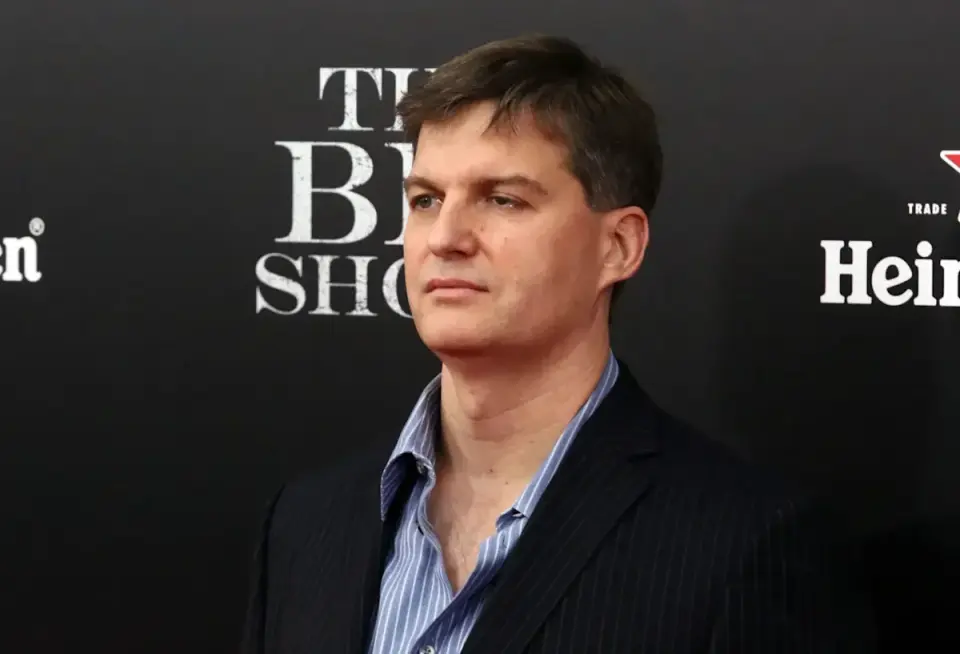
Michael Burry predicts the Trump administration will aggressively protect the AI sector, creating significant moral hazard, while valuation expert Aswath Damodaran holds five Magnificent Seven stocks but directs new capital into cash. Both experts warn that current AI valuations and infrastructure spending carry severe risks, with Damodaran noting that S&P 500 companies returned only 63% of earnings to shareholders, the lowest proportion since 2004. Market volatility increased on Thursday, with semiconductor stocks falling 3% and the S&P 500 dropping 0.4%, reflecting growing concerns about the sustainability of the AI boom.
Key points
- Michael Burry stated on Substack that the Trump administration views AI as its strongest asset and will 'pull out all the stops' to defend it, but warned this creates 'epic moral hazard' implications.
- Burry described the current fiscal situation as 'terrible,' noting that the Federal Reserve has fewer tools to cut rates compared to the 2000-2003 period, and warned that Wall Street mechanics could accelerate a market downturn.
- Aswath Damodaran, known as the 'dean of valuation,' holds five Magnificent Seven stocks (Amazon, Alphabet, Meta, Microsoft, and one other) but excludes Tesla and Nvidia.
- Damodaran reported that most new money added over the past two years has been parked in cash and short-term Treasuries yielding 4%, making his portfolio more cash-heavy than usual.
- Damodaran warned that AI-driven earnings come 'with an asterisk' because infrastructure spending drains cash flows, and that failed investments could trigger 'accounting and market carnage.'
- S&P 500 companies returned only 63% of earnings through dividends and buybacks over the trailing period, the lowest proportion since 2004, according to Damodaran's analysis.
Background
This development follows Burry's earlier cautionary moves in September 2026, where he trimmed positions in Nvidia and Palantir and increased cash holdings amid concerns about AI valuations. His previous analysis suggested that slower frontier AI development might benefit incumbent giants, while his recent focus on Lululemon indicated a preference for defensive positions. Meanwhile, Nvidia's recent $150 billion buyback expansion signaled management confidence in AI cash flows, contrasting with the current warnings from Burry and Damodaran about the sustainability of these investments. The current warnings reflect a broader shift in market sentiment as investors grapple with the risks of over-leveraged AI infrastructure and potential regulatory backlash.
Why it matters
The divergent views from Burry and Damodaran highlight the growing tension between AI optimism and valuation concerns. Burry's warning about moral hazard suggests that government intervention could mask underlying weaknesses, while Damodaran's cash-heavy approach reflects a strategic retreat from overvalued assets. These perspectives are critical for investors navigating a market where AI spending is straining cash flows and corporate returns to shareholders are at multi-year lows. The potential for 'accounting and market carnage' if AI fails to deliver, combined with political scrutiny of data centers, indicates that the AI boom may face significant headwinds in the coming years, requiring investors to balance exposure with defensive positioning.
What to watch
Investors should monitor the S&P 500's 200-day moving average as a key trigger for defensive shifts, as recommended by Joachim Klement. Watch for any federal legislation regarding data center curtailment or AI regulation, which could impact market sentiment. Track the cash flow dynamics of hyperscalers and AI infrastructure builders to assess the sustainability of current earnings. Additionally, observe the Federal Reserve's policy stance and its ability to respond to potential market downturns, as Burry has noted limited fiscal tools compared to previous cycles. Damodaran's portfolio adjustments and Burry's Substack updates will provide real-time signals on expert sentiment regarding AI valuations and market risks.
Want the full story? Read the original reporting
Read on Yahoo Finance