
Citadel Warns of Shifting Risk-Reward as S&P 500 Enters Volatile September
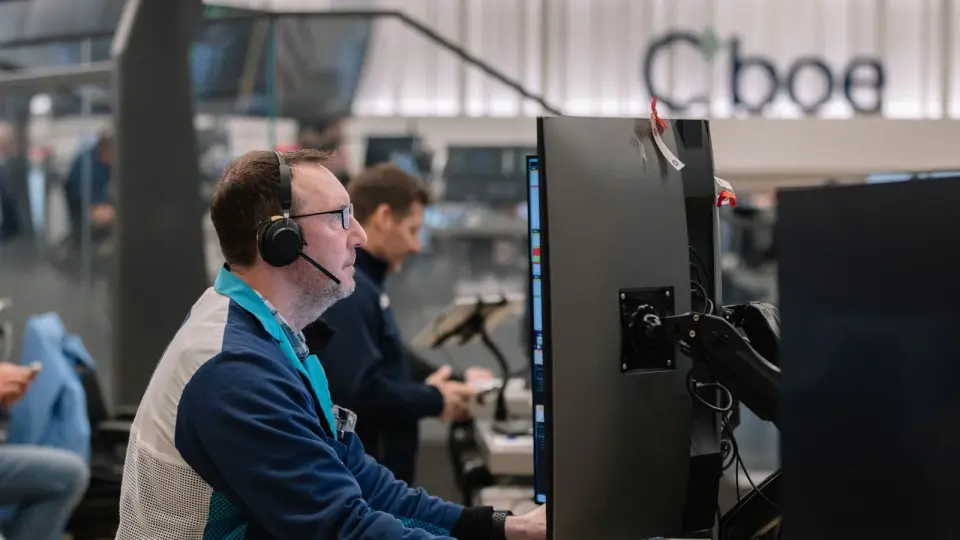
Citadel Securities head Scott Rubner argues that the risk-reward profile for equities is deteriorating as the S&P 500 enters September, a historically weak month. While the index recently hit an all-time high of 7,816.70, volatility has dropped to record lows, making downside protection inexpensive. Rubner cites slowing corporate buybacks, weak retail buying, and a crowded earnings calendar as reasons for near-term caution, despite maintaining a long-term constructive view on stocks.
Key points
- The S&P 500 reached an intraday all-time high of 7,816.70 in August after a nearly 7% gain from late July.
- The Cboe Volatility Index (VIX) fell to 14.1 last week, marking the lowest level of the year.
- Citadel Securities head Scott Rubner states that upside catalysts are becoming less obvious while downside catalysts are increasing.
- Corporate buybacks are expected to slow as the blackout period for share repurchases accelerates around September 12.
- Retail trading activity in September has historically been the weakest of the year, with net buying on down days averaging half the usual amount since 2019.
Background
This cautionary outlook follows a period of significant stress in AI-focused equities. In August, Citadel intervened to rescue the Situational Awareness hedge fund, which suffered a 67% portfolio loss in July due to concentrated AI bets. Citadel’s Wellington fund subsequently purchased billions in AI-related stocks at a discount, helping to stem a broader selloff and tempering the AI rout.
How outlets are covering it
CNBC highlights the strategic shift by Citadel Securities, emphasizing that the cheap cost of options protection makes hedging attractive despite a long-term bullish stance. Yahoo Finance provides real-time market data showing the S&P 500 at 7,659.44 and the VIX at 19.99, reflecting a recent spike in volatility compared to the 14.1 low mentioned by CNBC. While CNBC focuses on the structural reasons for caution, such as seasonality and buyback cycles, Yahoo Finance’s data suggests that market volatility has already begun to rise, potentially validating the concerns about downside risk.
Why it matters
The convergence of low volatility, historical seasonal weakness, and slowing corporate support creates a fragile market environment. Investors may find it cost-effective to purchase downside protection, as the premium for such options is currently low. This dynamic could lead to increased volatility if macroeconomic events or earnings disappointments trigger a sell-off, particularly given the recent instability in AI-related sectors.
What to watch
Investors should monitor the S&P 500’s performance through September, watching for signs of a breakdown from recent highs. The acceleration of the corporate buyback blackout period around September 12 and the release of key earnings reports will be critical indicators. Additionally, the behavior of the VIX and single-stock volatility spreads will provide insights into whether the market’s cheap protection is being utilized effectively or if further declines are imminent.
- Risk-reward outlook for stocks is getting worse as historically tough month kicks off, says Citadel Securities CNBC
- Santoli: Why investors should be on high alert heading into September CNBC
- S&P 500 September seasonality: What investors should watch Yahoo Finance
- S&P 500: Don't Believe Everything You Read About September (SP500) Seeking Alpha
- Stocks' Worst Month Starts Tomorrow, but History Says Midterm Septembers Are Different tradingview.com
Want the full story? Read the original reporting
Read on CNBC