
Retail Investors Abandon Dip-Buying Strategy in Historic Sell-Off
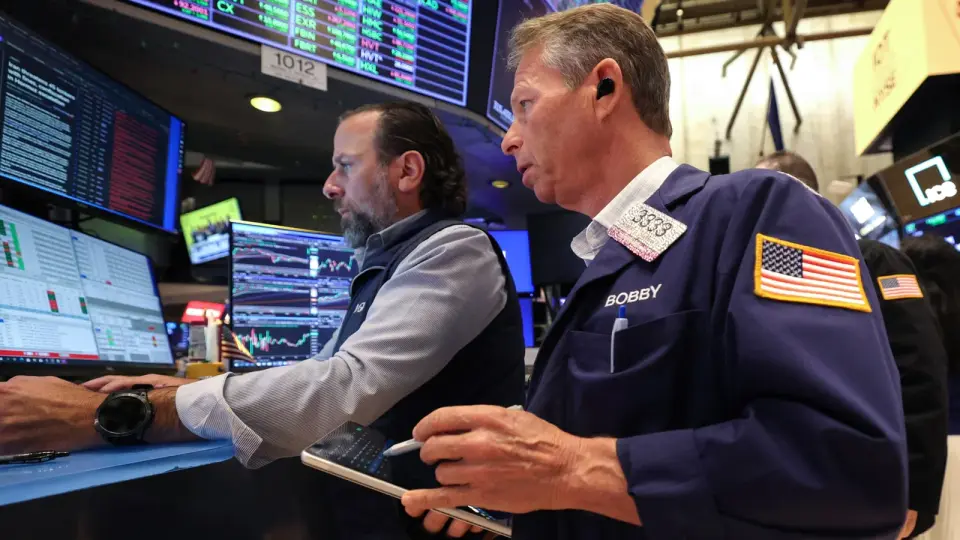
Retail investors sold a net $265 million to $338 million in individual stocks on November 4, 2026, marking the largest single-day outflow since the March 2020 pandemic crash. This event signaled a break from the typical 'buy the dip' behavior, with some analysts describing it as a total capitulation. The selling occurred amid a sharp market decline, including a 5.2% drop in the Nasdaq Composite and a 1,800-point fall in the Dow Jones Industrial Average. While traditional stock buying vanished, some retail activity remained in leveraged exchange-traded funds like TQQQ and SOXL. The event was described as a rare buyers' strike colliding with forced selling from systematic strategies.
Key points
- Retail investors sold a net $265 million to $338 million in individual stocks on November 4, 2026, the largest single-day outflow since March 2020.
- The Nasdaq Composite dropped 5.2%, entering a correction, while the Dow Jones Industrial Average fell 1,800 points, erasing post-midterm gains.
- Vanda Research described the event as a 'total capitulation' and a 'buyers' strike,' noting that traditional dip-buying had effectively disappeared from individual names.
- Some retail buying remained in leveraged ETFs, specifically ProShares UltraPro QQQ (TQQQ) and Direxion Daily Semiconductor Bull 3X Shares (SOXL).
- The selling coincided with a broader market drawdown driven by a rotation out of technology and AI stocks, following a post-election rally.
Background
This event follows a period where institutional investors had reclaimed market leadership, selectively buying AI stocks while retail traders retreated. The current selloff marks a significant shift, as retail investors, typically known for buying dips, instead sold aggressively. The context includes a broader market drawdown and a rotation out of technology, which had been a key driver of recent gains. The archive notes that institutional investors had been driving gains, offsetting a retreat by retail traders, but the current event shows a reversal of that dynamic, with retail investors now selling in large numbers.
How outlets are covering it
CNBC reported the net selling at $338 million, while Yahoo Finance and Seeking Alpha cited $265 million, likely due to different measurement times (e.g., mid-afternoon vs. close). All sources agree on the historic nature of the outflow since March 2020 and the break from dip-buying behavior. Vanda Research, cited by all, characterized the event as a 'total capitulation' and a 'buyers' strike,' highlighting the absence of traditional dip-buying. The sources also note that some buying remained in leveraged ETFs, but this was not enough to offset the overall selling. The perspectives align on the severity of the event and its significance as a departure from recent retail behavior.
Why it matters
This event signals a potential shift in market dynamics, as retail investors, typically a source of support during downturns, are now selling. This could exacerbate market declines and indicate a broader loss of confidence. The historic nature of the outflow, matching the March 2020 pandemic crash, suggests a significant market stress event. The break from dip-buying behavior may indicate a change in investor sentiment or a response to specific market conditions, such as the tech selloff. This event could have implications for market stability and investor behavior in the near term.
What to watch
Market participants will monitor whether the retail selling continues or if dip-buying resumes. The performance of leveraged ETFs like TQQQ and SOXL may provide insights into retail sentiment. Broader market indices, including the Nasdaq and Dow, will be watched for further declines or stabilization. The event may also influence institutional investor behavior, as they may adjust their strategies in response to the retail selling. Future market movements will depend on whether the selling is a one-time event or part of a broader trend.
- Retail traders dump the most stocks in a single day since Covid sell-off CNBC
- Retail traders dump $265 million in stocks in biggest selling day since 2020 Yahoo Finance
- 🔎One Thing I’m Watching: Where Did the Dip Buyers Go? WSJ
- Retail investors flee single stocks at fastest pace since COVID crash - Vanda (SPY:NYSEARCA) Seeking Alpha
- Buy the dip or wait it out? Young investors react as retail stock selling hits one of its highest levels since COVID crash. MarketWatch
Want the full story? Read the original reporting
Read on CNBC