
David Ellison’s NYT Op-Ed Fails to Silence Critics of Paramount-WB Merger
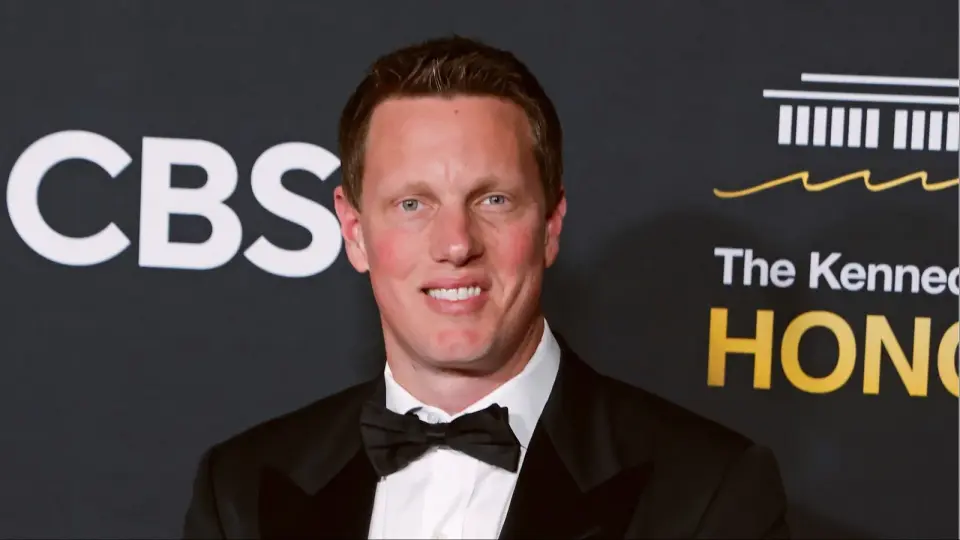
Paramount Skydance CEO David Ellison published an op-ed in The New York Times defending his proposed merger with Warner Bros. Discovery, claiming the deal would only control 20% of the global film market. Critics argue this framing ignores the severe consolidation, potential layoffs, and creative stagnation already evident under his leadership. The merger remains stalled due to opposition from 12 state attorneys general, the Writers Guild of America, and regulators in 65 countries, including the U.S. Ellison’s defense emphasizes his love for cinema and commitment to 30 annual theatrical releases, but detractors point to his track record of prioritizing sequels and IP over original content, as well as significant workforce reductions following the 2025 Skydance acquisition.
Key points
- Ellison argues the Paramount-WB merger is being overblown, noting it would control only 20% of the film market and box office.
- Critics highlight that the merger faces opposition from 12 state attorneys general, the WGA, and regulators in 65 countries.
- Ellison’s op-ed emphasizes his passion for movies and commitment to 30 annual theatrical releases, but omits details about 2,000 layoffs from the 2025 Skydance merger.
- Under Ellison’s leadership, Paramount has shifted toward sequels, IP-driven content, and genre films, reducing opportunities for original and risky projects.
- The merger is expected to increase debt and potentially lead to further cuts in production, distribution, and marketing spend, threatening jobs and creative diversity.
Background
This dispute follows earlier efforts by Ellison to secure federal film tax incentives and engage with DC Studios leadership, all while navigating legal challenges from multiple U.S. states and international regulators. The current standoff reflects broader industry tensions over consolidation, labor rights, and creative autonomy in the face of large-scale corporate mergers.
Why it matters
The outcome of this merger could reshape the global film industry’s structure, affecting employment, creative output, and market competition. If approved, it may lead to further consolidation, reduced opportunities for original content, and significant job losses, impacting both Hollywood workers and audiences who rely on diverse and innovative storytelling.
What to watch
Regulators and legal bodies will continue to evaluate the merger’s impact on competition and labor. Ellison may face further scrutiny over his claims of market share and creative commitment, while industry groups will likely push for stronger protections against consolidation and layoffs.
Want the full story? Read the original reporting
Read on avclub.com