
Holmes’s Unyielding Conviction Drives 'You Can See Everything' Box Office Surge
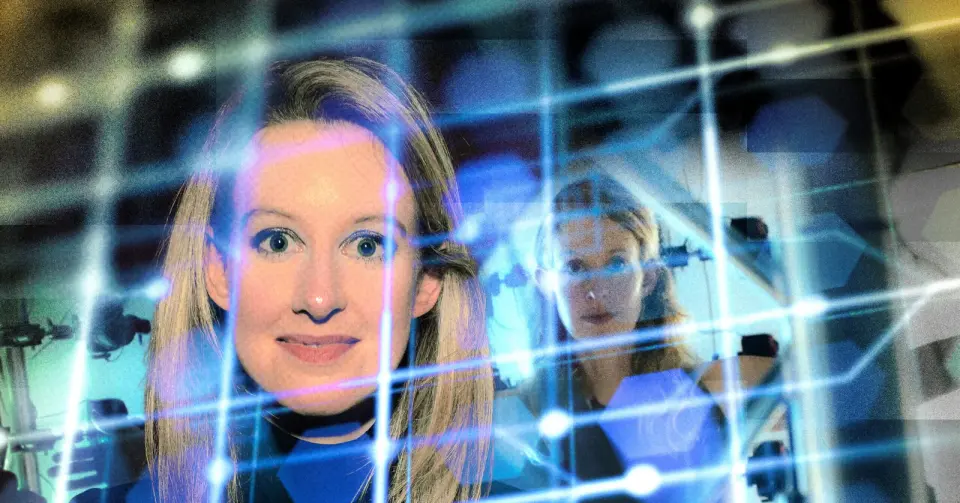
The A24 documentary 'You Can See Everything' has become a box office and awards sensation, capturing Elizabeth Holmes’s final days of freedom before prison. While the film highlights her unyielding denial of wrongdoing, critics and whistleblowers argue it obscures the factual reality of the Theranos fraud. Holmes remains in federal custody, with a sentence reduction and a planned transfer to a halfway house in 2027.
Key points
- The documentary, co-directed by Nathan Fielder and Lance Oppenheim, premiered in September and became an immediate box office hit, grossing $15 million in its opening weekend.
- Holmes maintains she committed no crimes and never intentionally lied, a stance that baffles Fielder and contradicts the findings of her 2022 federal trial.
- The film depicts Holmes’s life in Del Mar, California, with partner Billy Evans and their two children, contrasting her current demeanor with her former 'Steve Jobs' persona.
- Holmes’s sentence was reduced from 135 to 123 months in March 2026, and she is scheduled to move to a Texas halfway house in August 2027, with a projected release in February 2030.
- Former Theranos employee Tyler Shultz accuses the film of being misleading, claiming Holmes showed Fielder non-functional prototypes to misrepresent the technology’s capabilities.
Background
Elizabeth Holmes was convicted in 2022 of four counts of wire fraud related to Theranos, a blood-testing company that claimed to revolutionize diagnostics with a single drop of blood. The company’s valuation reached $9 billion before collapsing after a 2015 Wall Street Journal investigation revealed the technology did not work as advertised. Holmes has been the subject of multiple media projects, including the HBO documentary 'The Inventor' and the Hulu series 'The Dropout.'
How outlets are covering it
The Ringer emphasizes Holmes’s psychological consistency, noting her continued belief in her innocence and her intent to resume business ventures from prison. The Los Angeles Times contrasts the new documentary with 'The Inventor,' highlighting how Holmes’s demeanor has shifted from intense control to emotional vulnerability, while noting that former insiders still view her as deceptive. Axios focuses on the legal and logistical aspects of her incarceration, detailing her sentence reduction and upcoming transfer to a halfway house. A former Theranos engineer, Tyler Shultz, argues the documentary is not a true documentary but a misleading portrayal that hides the core fraud, a view supported by the LA Times’s note that Holmes’s claims of never lying are contradicted by multiple witnesses.
Why it matters
The documentary’s success raises questions about the public’s appetite for narratives that prioritize emotional ambiguity over factual accountability in cases of high-profile fraud. It also highlights the evolving legal landscape for convicted tech founders, as Holmes’s sentence reduction and potential clemency requests reflect shifting attitudes toward 'embattled' entrepreneurs in the current political climate.
What to watch
Holmes is expected to transfer to the Austin Transitional Center in August 2027. She has requested clemency from President Trump. The documentary is currently being campaigned for Best Picture at the Oscars, a category no documentary has previously occupied, which may lead to unprecedented eligibility debates.
- The Utmost Conviction of Elizabeth Holmes The Ringer
- Tyler Cowen: Elizabeth Holmes Should Not Be in Prison The Free Press
- Before 'You Can See Everything,' there was another Elizabeth Holmes documentary: 'The Inventor' Los Angeles Times
- What lies ahead for Elizabeth Holmes after explosive doc Axios
- Elizabeth Holmes Will Be Transferred Out of Prison and Into a Halfway House in 2027 ELLE
Want the full story? Read the original reporting
Read on The Ringer