
Google's News AI Pilot Reaches 400 Publishers, Including CNN and Local US Outlets
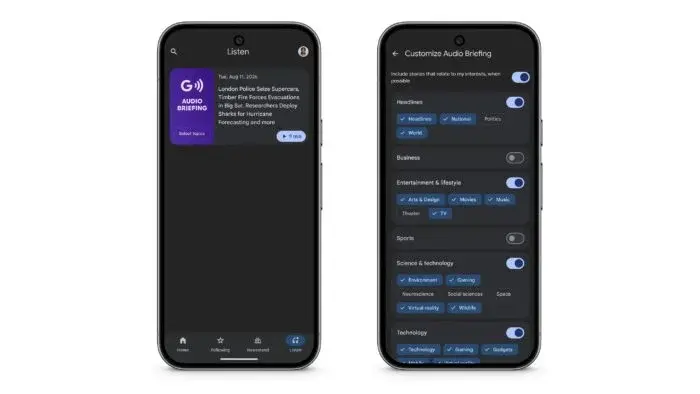
Google has expanded its News AI pilot to over 400 publications worldwide, including major outlets like CNN and The Financial Times, as well as U.S. local newsrooms such as The Texas Tribune and Oil City News. The program, launched in December 2025, pays publishers for content used in experimental AI features like audio briefings and story previews. While Google emphasizes a non-pay-per-value model, some publishers like Reach are using similar deals as a template to pressure other AI firms over unauthorized scraping.
Key points
- The pilot now includes more than 400 publications globally, up from an initial launch in December 2025.
- New partners include CNN, Axios, Forbes, and The Financial Times, alongside U.S. local outlets like The Post and Courier and Shaw Media.
- Google pays publishers for content used in AI features such as 'story previews' and customizable 'audio briefings' in the Google News app.
- Google clarified the pilot does not use a 'pay-per-value' model, distinguishing it from other AI contribution programs.
- CNN described the deal as a multi-year strategic partnership that safeguards its intellectual property while exploring new audience engagement.
Background
In December 2025, Google launched the News AI pilot with select international publishers, including The Guardian and The Washington Post. The program was designed to test how AI could enhance news consumption while compensating publishers for their content. Recent expansions reflect a broader industry shift toward formalizing AI licensing agreements as consumer information habits change.
How outlets are covering it
Nieman Lab and Google's blog highlight the inclusion of local U.S. newsrooms, emphasizing Google's commitment to supporting publishers of all sizes. CNN's press release frames the deal as a strategic, multi-year partnership that protects intellectual property. In contrast, Digiday reports that Reach, a UK-based publisher, is using its Google deal as a template to pressure OpenAI, sending a cease-and-desist letter over unauthorized scraping. While Google and CNN focus on collaboration and compensation, Reach highlights the need for strict consent frameworks and legal action against AI firms that do not engage in formal deals.
Why it matters
The expansion signals a growing acceptance of AI content licensing among major and local news organizations. It establishes a precedent for compensating publishers for AI-generated features, potentially influencing how other tech companies negotiate with media outlets. The inclusion of local news suggests AI integration is becoming a standard revenue stream for smaller outlets, while the legal actions by publishers like Reach indicate rising tensions over content ownership and scraping.
What to watch
Publishers will likely continue negotiating terms for AI content usage, with some pursuing legal action against firms that do not agree to licensing deals. Google may expand the pilot further or adjust its compensation models based on performance metrics. The industry will watch how these deals affect referral traffic and whether they adequately compensate for lost search revenue.
- Google’s News AI pilot expands to over 400 publications, including U.S. local news outlets Nieman Lab
- CNN, Axios and other publishers join Google's AI news program Reuters
- Reach CEO touts Google AI deal as a template, steps up pressure on OpenAI over scraping Digiday
- 400 publications are now partnering with us on our News AI pilot program. blog.google
- CNN Announces AI Partnership with Google CNN Press Room
Want the full story? Read the original reporting
Read on Nieman Lab