
Cohan’s Black Biography Sparks Feud with Times Over Epstein Narrative
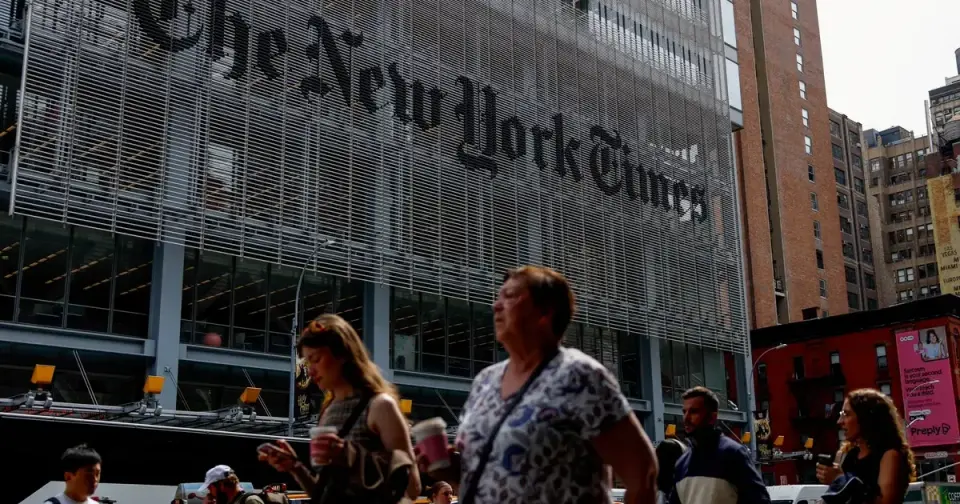
Finance writer Bill Cohan’s new biography of Apollo founder Leon Black has ignited a public dispute with The New York Times. While Cohan portrays Black as a brilliant but naive figure, Times journalists argue his book ignores Black’s financial ties to Jeffrey Epstein. The conflict centers on differing interpretations of Black’s role in Epstein’s scandals and the ethics of journalistic rebuttals.
Key points
- Bill Cohan’s 673-page book, 'Money to Burn,' presents Leon Black as a finance pioneer compromised by lust and naivety rather than criminal complicity with Jeffrey Epstein.
- Cohan describes his work as a rebuttal to what he calls a 'Leon jihad' by The New York Times, Financial Times, and other outlets.
- Times reporters David Enrich and Matt Goldstein criticized Cohan for not allowing them to respond to their depiction in the book before publication.
- The New York Times maintains its 2020 reporting on Black’s financial support for Epstein was accurate and has withstood subsequent revelations.
- Cohan’s book omits details regarding Epstein’s role in helping Black structure $20 million in payments to women, a topic currently under congressional scrutiny.
- House Oversight Chairman James Comer is pressuring Black to explain these payments, while Senator Ron Wyden has suggested they may constitute money laundering.
Background
Leon Black’s reputation suffered significantly in October 2020 when The New York Times revealed his extensive financial ties to Jeffrey Epstein. Although Black stepped down as CEO of Apollo Global Management following an independent review, he remains the firm’s largest shareholder. Recent congressional investigations and the release of Epstein files have intensified scrutiny over Black’s financial dealings, including alleged payments to women with whom he had relationships. Cohan’s book, which arrived in bookstores on September 8, 2026, offers a counter-narrative to the prevailing media consensus.
How outlets are covering it
Semafor highlights the sharp divide between Cohan and The New York Times, noting that Times journalists are 'incredulous' that Cohan’s book excludes Epstein’s involvement in Black’s financial settlements. Cohan, conversely, views the Times’ coverage as an aggressive campaign against Black, arguing that Black’s refusal to speak to them justifies his sympathetic portrayal. Puck.news, through an interview with Cohan, emphasizes Black’s status as a serious art collector and finance innovator, framing the controversy as a misunderstanding of his character rather than a moral failing. The New York Times defends its original reporting as 'fair and accurate,' while Cohan characterizes the outlet’s approach as hostile and one-sided.
Why it matters
This dispute illustrates the ongoing struggle to define Leon Black’s legacy in the context of the Epstein scandal. It highlights the tension between traditional investigative journalism and biographical narratives that seek to rehabilitate controversial figures. The conflict also underscores the legal and reputational risks facing financial leaders entangled with Epstein, as congressional inquiries continue to probe the boundaries of their financial networks.
What to watch
The New York Times is expected to continue its reporting on Epstein’s ties to Wall Street, potentially challenging Cohan’s narrative further. Congressional investigations led by James Comer and Ron Wyden will likely press Black for more details on the $20 million in payments. Cohan is scheduled to discuss his book with Andrew Ross Sorkin at the 92nd Street Y on September 9, which may provide a platform for further public debate.
- Exclusive / New Leon Black book picks fight with the Times Semafor
- An obituary for the Drexel generation The Economist
- Essay | Power, Betrayal and the Fall of Leon Black WSJ
- The Leon Black Collection Conundrum & Museum Image-Management puck.news
- Billions, bonking and blackmail — the rise and fall of a Wall Street god The Times
Want the full story? Read the original reporting
Read on Semafor