
Hidden Insurance Gaps Leave U.S. Homeowners Financially Exposed
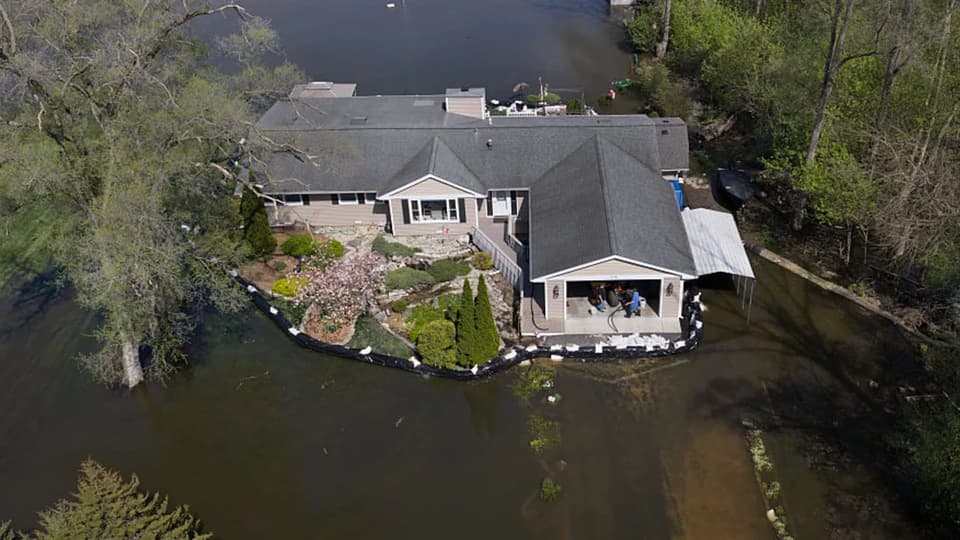
Most U.S. homeowners are underinsured due to policy exclusions, rising rebuild costs, and low awareness of coverage limits. Experts warn that standard policies often fail to cover floods or full reconstruction, leaving families financially vulnerable to frequent natural disasters.
Key points
- Standard homeowners policies typically exclude flood damage, yet less than 4% of U.S. households hold separate flood insurance despite widespread risk.
- Analysis of California fire claims from 2018 to 2023 shows over 70% of insured homeowners were underinsured by an average of 20%.
- Replacement costs for property and casualty losses rose 45% between 2020 and 2023, outpacing many policy limits.
- Insurers often cap payouts for specific items like art or electronics, requiring additional endorsements for full protection.
- California Insurance Commissioner Ricardo Lara urged residents to review coverage ahead of a likely El Niño, noting flood policies take 30 days to activate.
Background
This issue follows a period of rising insurance premiums and increased natural disaster frequency. Earlier coverage in our archive focused on unrelated tech and retail topics, but the current financial climate highlights how high mortgage rates and construction costs have intensified the need for accurate insurance valuations. The focus on underinsurance aligns with broader trends in consumer financial risk management.
How outlets are covering it
CNBC and Traders Union emphasize the statistical reality of underinsurance, citing Kenneth Klein’s research that most homeowners believe they are fully covered but are not. PropertyCasualty360 focuses on the 'insurance literacy' gap, noting that 65% of homeowners do not understand their policy limits and 56% are unaware that floods are excluded. Traverse City Business News provides a local perspective, highlighting how April 2026 floods in Michigan exposed the lack of flood coverage among homeowners who were not in designated flood zones. While all sources agree on the prevalence of gaps, they differ in emphasis: some focus on the financial data of underinsurance, while others highlight the confusion caused by complex policy language and the behavioral reluctance of consumers to purchase additional coverage due to cost.
Why it matters
As natural disasters become more frequent and costly, the gap between policy coverage and actual replacement costs poses a significant financial risk to households. Without adequate coverage, homeowners may face substantial out-of-pocket expenses after a loss, potentially leading to financial instability or loss of their primary asset. Understanding these gaps is crucial for making informed decisions about insurance coverage and financial planning.
What to watch
Experts recommend that homeowners review their policies, consider adding flood insurance, and purchase 'extended replacement cost' or 'ordinance or law' coverage to account for rising rebuild costs. Insurers and agents are increasingly pushing for better insurance literacy to reduce claims disputes and improve customer retention. Consumers should act before disasters strike, as flood insurance typically requires a 30-day waiting period to take effect.
- Many homeowners have a big insurance coverage gap — and don't even know it CNBC
- Underwater: Most homeowners lack flood coverage; some pay dearly Traverse City Business News
- Taking the mystery out of homeowners' insurance coverage PropertyCasualty360
- U.S. homeowners insurance undercoverage exposes households to rising disaster costs Traders Union
Want the full story? Read the original reporting
Read on CNBC