
Record $942bn foreign inflows into US stocks signal shift away from debt
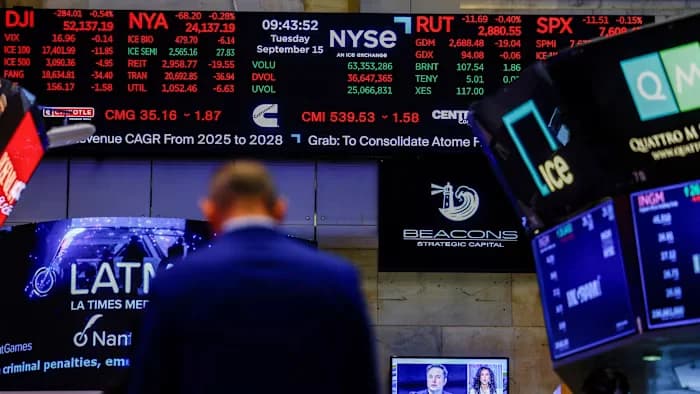
Foreign investors purchased a record $942 billion in US equities over the 12 months to July 2026, the highest total since 1985. This surge coincided with a sharp decline in overseas demand for US debt, as foreign buyers of Treasuries fell to $188 billion in the second quarter. The shift reflects strong performance in the S&P 500 and diversification efforts by investors in Asia, particularly Korea, while China’s Treasury holdings dropped to their lowest level since 2008.
Key points
- Net foreign purchases of US equities and fund shares reached $942 billion in the rolling 12-month period ending in July, according to US Treasury data.
- Second-quarter net purchases hit $426 billion, a 62% increase from the same period in 2025 and surpassing the previous record of $299 billion set in 2022.
- Monthly inflows accelerated from $110 billion in April to $182 billion in June before slowing to $3.7 billion in July, though foreign investors remained net buyers for six consecutive months.
- The S&P 500 rose approximately 20% in the year to July, with tech stocks like Intel, Western Digital, and SanDisk leading gains; the index’s 14.9% second-quarter gain was its best since 2020.
- Foreign purchases of US debt securities dropped to $188 billion in the second quarter from $314 billion in the first, while China’s Treasury holdings fell to $618 billion, the lowest since August 2008.
Background
This capital rotation occurs amid a broader backdrop of US national debt surpassing $40 trillion in August 2026, with interest costs rising and deficits expanding. Earlier analysis suggested that high debt levels could pressure long-term yields and push investors toward tangible assets or emerging markets. The current trend of foreign investors favoring US equities over Treasuries may reflect a strategic response to these fiscal challenges and a desire to diversify away from concentrated positions in Asian markets.
How outlets are covering it
The Financial Times and Futu both cite identical Treasury and Bureau of Economic Analysis data, confirming the record equity inflows and the simultaneous drop in bond demand. The Financial Times highlights Brad Setser’s view that the surge may partly reflect deferred purchases from a weak first quarter and diversification from Korean stocks like Samsung and SK Hynix. Futu emphasizes the structural shift in global capital flows, noting that the cooling demand for US bonds creates higher-cost financing challenges for the US Treasury. Both sources agree that the S&P 500’s strong performance, including a recovery from the Iran war sell-off, drove the equity appetite, while the Financial Times specifically notes China’s diversification into gold and agency bonds as a reason for its reduced Treasury holdings.
Why it matters
The record foreign equity inflows signal a significant reallocation of global capital away from US debt, potentially increasing pressure on Treasury yields and financing costs for the US government. This shift underscores investor confidence in US corporate earnings despite high valuations, while the decline in bond demand may exacerbate fiscal challenges as the US manages a $40 trillion debt load. The trend also reflects broader diversification strategies by Asian investors, reshaping global market dynamics and potentially influencing currency flows and interest rate trajectories.
What to watch
Analysts will monitor whether the slowdown in July equity inflows signals a pause in the trend or a temporary adjustment. The continued decline in foreign Treasury demand could pressure US bond yields higher, affecting borrowing costs for the government and corporations. Investors may continue to diversify away from concentrated positions in Asian markets, while China’s shift toward gold and other assets may further reduce its role as a major holder of US debt. The sustainability of US equity gains will depend on whether foreign capital inflows can offset potential risks from high valuations and fiscal deficits.
Want the full story? Read the original reporting
Read on Financial Times