
Record Auto Debt and Rising Payments Trap Buyers in Negative Equity
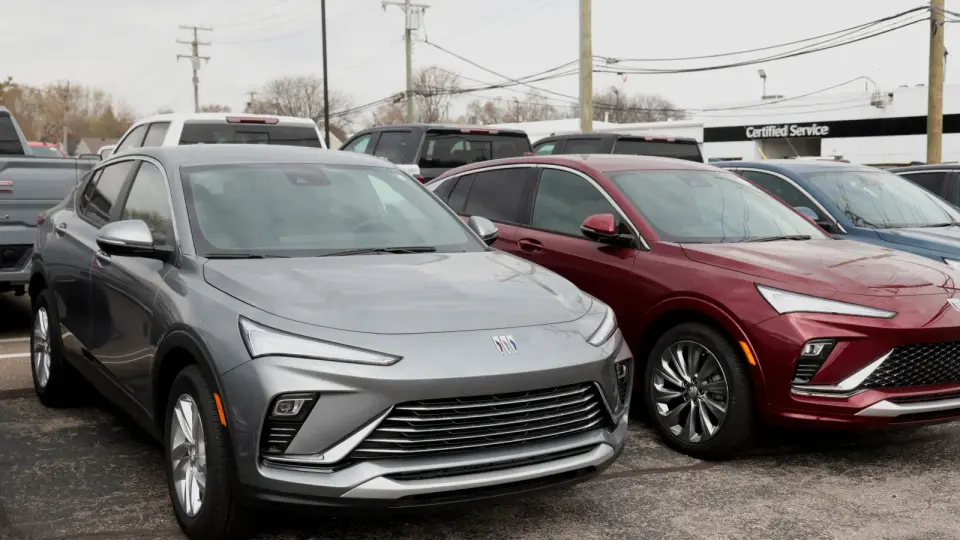
The average monthly payment for a new vehicle reached $787 in the third quarter of 2026, with over 20% of borrowers facing four-figure monthly costs. Average new-vehicle loans now total $44,664, and more than 25% of loans extend beyond seven years. Consequently, 29.1% of trade-in buyers are underwater, owing an average of $7,107 more than their vehicles are worth. These buyers roll this debt into new loans averaging $57,235, resulting in monthly payments of $952 and lifetime interest costs exceeding $16,600.
Key points
- Average new car loan balances hit $44,664 in Q3 2026, with monthly payments averaging $787.
- 29.1% of financed trade-ins carry negative equity, up from 28.1% a year ago.
- Buyers rolling negative equity into new loans finance an average of $57,235 at an 8.1% APR.
- 91.2% of these rollover buyers choose loan terms of 72 months or longer.
- Lifetime interest for these high-balance loans is estimated at $16,610, up 83% from 2019.
Background
This trend follows a broader shift in consumer debt where affordability pressures drive longer loan terms. While mortgage rates have influenced homebuying strategies, auto financing has similarly extended terms to manage monthly cash flow. The current environment mirrors previous cycles where high vehicle prices and interest rates combined to increase the share of underwater borrowers, though the absolute dollar amount of negative equity has grown significantly since the pre-pandemic era.
How outlets are covering it
USA Today emphasizes the psychological and financial strain of crossing the $1,000 monthly payment threshold, noting that such costs can exceed 10% of income for most households. Yahoo Finance frames the issue as a long-term wealth drain, arguing that skipping one new car cycle could yield $600,000 in retirement savings through compound interest. CBT News provides granular industry data, highlighting that rollover buyers face $165 higher monthly payments and $6,700 more lifetime interest than average buyers. Marketplace.org focuses on the structural 'snowball effect,' where negative equity from one vehicle rolls into the next, exacerbated by higher prices and interest rates. While USA Today and Yahoo Finance focus on individual financial health, CBT News and Marketplace.org highlight the systemic risks of extended loan terms and rising debt balances.
Why it matters
High auto debt reduces financial resilience, limiting the ability to handle unexpected expenses or qualify for other loans like mortgages. As more buyers become underwater, the risk of default increases if income drops, potentially leading to a cycle of debt that hampers long-term wealth accumulation and retirement security.
What to watch
Lenders may tighten approvals as average negative equity exceeds $7,000, potentially pushing more buyers toward used vehicles or smaller loans. Automakers may continue offering 'customer cash' incentives to help buyers offset negative equity at closing. If interest rates remain high, the share of underwater buyers could continue to rise, further straining household budgets and increasing the prevalence of long-term, high-interest auto debt.
- Here are 5 reasons why a $1,000 car payment is a bad idea USA Today
- Americans are addicted to auto debt. Skipping just 1 new car could leave you $600K richer by retirement Yahoo Finance
- Negative equity hits 29.1% of trade-ins, rollover loans top $57,000 CBT News
- Debt black hole: Car loan payments hit record level FXStreet
- Nearly a third of car buyers who trade in a financed vehicle are underwater Marketplace.org
Want the full story? Read the original reporting
Read on USA Today