
Trump Accounts pose a hidden threat to disability benefits for children
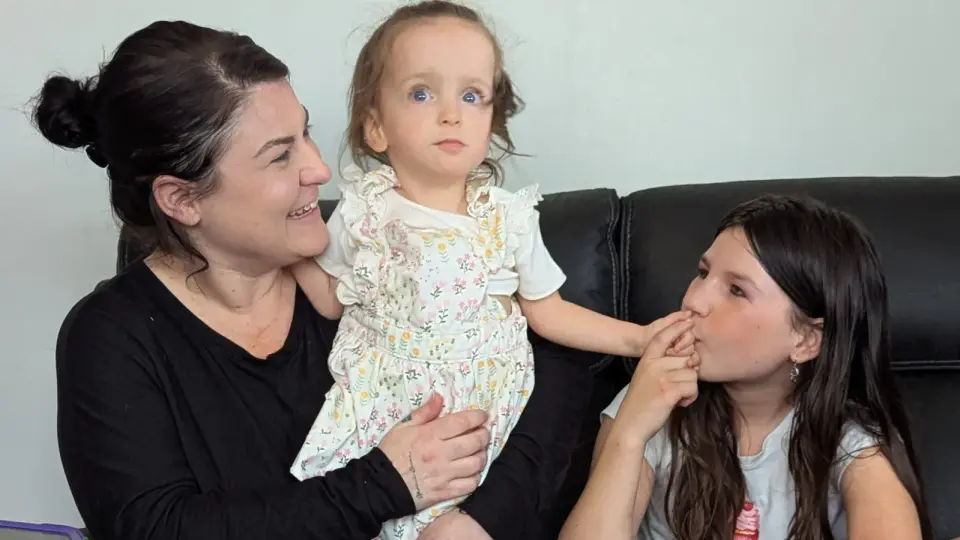
Trump Accounts, a new government-backed savings program for children, may inadvertently jeopardize future eligibility for disability benefits if parents fail to execute a specific financial maneuver. While the program offers free seed money and private donations, the assets accumulate in a way that violates the strict asset limits for Supplemental Security Income (SSI). Experts warn that parents of disabled children must roll these funds into an ABLE account before the child turns 18 to preserve benefits. Failure to do so could result in the loss of critical federal support, as the accounts automatically convert into IRAs at age 18, which count against SSI asset caps.
Key points
- Trump Accounts automatically enroll children under 18, with a $1,000 federal seed deposit available for those born between 2025 and 2028.
- The program allows contributions up to $5,000 annually from individuals, companies, and governments, with Michael and Susan Dell being the largest private donors.
- Retirement accounts count toward the $2,000 asset cap for SSI eligibility, meaning even modest growth in a Trump Account could disqualify a disabled adult.
- Parents must roll the account into an ABLE account before the child's 18th birthday to keep the funds exempt from SSI and Medicaid asset limits.
- If not rolled over, the account becomes an IRA at age 18, potentially forcing the beneficiary to spend down assets or incur taxes to maintain benefits.
Background
The Trump Accounts program was established under the One Big Beautiful Bill Act and launched on July 4, 2026. The Treasury Department has auto-enrolled over 60 million children, though claiming the seed money requires manual action via an app. This program operates alongside existing disability benefit systems, where approximately 7.3 million Americans received SSI in August 2026. Recent archive coverage highlights broader concerns about Medicaid disruptions and the complexity of navigating federal benefit systems, which often involve lengthy approval processes and high rejection rates.
How outlets are covering it
USA TODAY emphasizes the financial risk to disabled children, citing experts who warn that the $1,000 seed money can grow to over $5,000 by age 18, exceeding SSI asset limits. They stress the critical need for a pre-18th-birthday rollover to an ABLE account. The Times of India highlights the scale of the program, noting that Michael and Susan Dell’s $6.25 billion pledge is the largest private contribution, covering 25 million children. However, it also notes scrutiny over the program’s ties to corporate interests, such as Dell’s Pentagon contracts and the allowance of individual stock donations, which critics argue could tie a child’s savings to a single company. The Chronicle of Philanthropy, while not providing specific details in the provided text, generally critiques the reliance on philanthropy to fill gaps in government social safety nets, suggesting that private donations like Dell’s may not adequately address systemic issues for vulnerable populations.
Why it matters
This issue highlights a critical intersection between financial policy and disability rights. For families of disabled children, the potential loss of SSI and Medicaid benefits due to a well-intentioned savings program could have severe long-term consequences. The complexity of the rollover process and the strict asset limits underscore the need for proactive financial planning and awareness among parents. Additionally, the debate over the role of private philanthropy in public programs raises questions about equity and the sustainability of social safety nets.
What to watch
Parents of children enrolled in Trump Accounts should monitor their child’s age and prepare for the necessary rollover to an ABLE account before the 18th birthday. Financial advisers recommend setting reminders and consulting with legal or financial experts to ensure compliance. The program’s future may also be influenced by ongoing debates about the role of private donors and the adequacy of government support for disabled individuals. As more children reach age 18, the impact of these accounts on disability benefits will become a more pressing issue, potentially leading to further policy discussions or adjustments.
- Could Trump Accounts hurt benefits for children with disabilities? USA Today
- Trump Accounts expand to millions of children, but new rules raise questions PBS
- Your child may have $250 in their Trump account: Here’s why WOODTV.com
- Michael Dell is the biggest donor to Trump Accounts, but his home state came first for his charity; in April he gave $750 million to… The Times of India
- Trump Accounts show why philanthropists shouldn’t fill in for government Chronicle of Philanthropy
Want the full story? Read the original reporting
Read on USA Today