
US Homeowners Face $21,466 Annual Burden Beyond Mortgage, Driving Youth Away from Real Estate
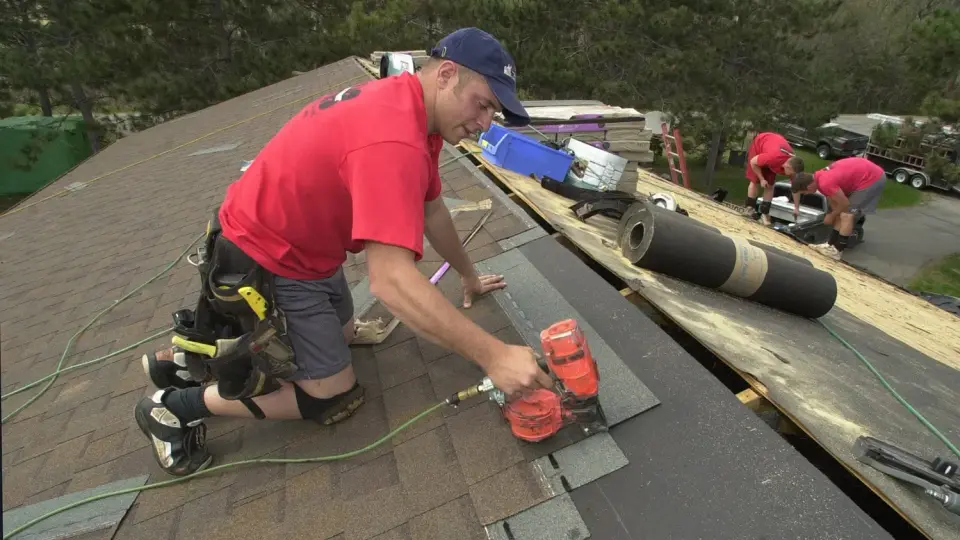
Non-mortgage expenses for US homeowners have surged to an average of $21,466 annually, according to Insurify, while Zillow estimates the figure at $16,566. These costs, which include maintenance, utilities, taxes, and insurance, now rival or exceed typical mortgage payments. Rising insurance premiums and maintenance fees are forcing prospective buyers to wait up to eight years to break even, prompting many young Americans to favor stock market investments over real estate.
Key points
- Insurify reports average annual non-mortgage costs at $21,466, while Zillow places the figure at $16,566.
- Maintenance costs average $7,374 annually, followed by utilities at $5,649 and property taxes at $4,427.
- Home insurance premiums have risen 54% over five years, with Florida averaging $8,486 annually.
- A 2026 homebuyer must wait at least eight years to break even, compared to two to three years pre-pandemic.
- 62% of Gen Z and 61% of millennials view the stock market as a more realistic path to wealth than homeownership.
Background
This trend follows a period of elevated mortgage rates, which stabilized near 7.4% in late 2025 and early 2026, creating a 'K-shaped' housing market. Earlier reports in October 2026 noted that these rising hidden costs were already squeezing budgets and influencing voter sentiment ahead of the midterms. Additionally, families have increasingly used joint income to help younger buyers qualify for mortgages as prices spiked, though the current surge in upkeep costs is now pushing younger demographics toward alternative investments.
How outlets are covering it
Zillow and Insurify provide divergent estimates for total annual hidden costs, with Zillow citing $16,566 and Insurify reporting $21,466. Both outlets agree that insurance and maintenance are the primary drivers of this increase, but they emphasize different demographic impacts. Zillow highlights the shift of Gen Z and millennials toward stock market investments due to the high break-even period, while Insurify focuses on the geographic disparity, noting that California and Hawaii exceed $35,000 in annual non-mortgage costs. Insurify also notes that nearly 90% of Gen Z homeowners underestimated these costs, whereas Zillow points to a 17% drop in pending home listings in October as a sign of broader market reluctance.
Why it matters
The rising cost of homeownership beyond the mortgage is fundamentally altering the financial calculus for American families. For retirees, fixed incomes are strained by volatile insurance and maintenance fees, even after mortgages are paid off. For younger buyers, the extended break-even period and high upfront costs are eroding the traditional belief that buying is superior to renting. This financial pressure is not only reshaping individual wealth accumulation strategies but also influencing broader housing market dynamics, including a potential long-term decline in home ownership rates among younger generations.
What to watch
Analysts expect a further dropoff in home sales in November as buyers remain reluctant to commit to 7% interest rates alongside spiraling upkeep costs. Regulators in California are working to stabilize the insurance market to prevent private insurers from leaving vulnerable areas, which could impact costs in other high-risk states. As the break-even point for buying remains high, more young Americans may continue to prioritize hands-off investments like stocks over the volatile and recurring expenses of homeownership.
Want the full story? Read the original reporting
Read on USA Today