
Dell's $6.25B Trump Accounts Gift Faces Disability Benefit Scrutiny Amid Texas Focus
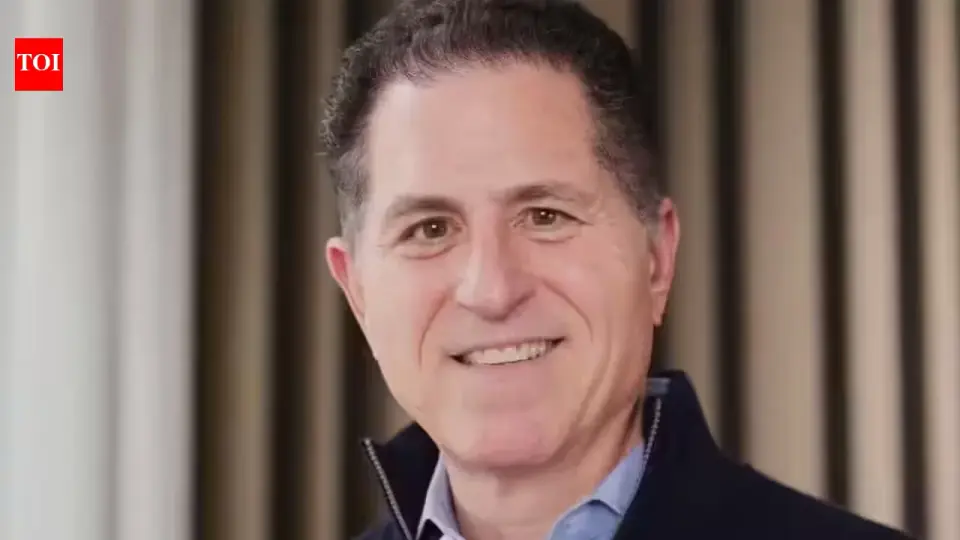
Michael and Susan Dell have become the largest private donors to the Trump Accounts program with a $6.25 billion pledge, depositing $250 into the accounts of 25 million eligible children. While this massive gift exceeds their foundation's entire 26-year giving history, it has sparked debate regarding its impact on disabled beneficiaries and its connection to Texas-based philanthropy.
Key points
- The Dells' $6.25 billion donation covers $250 deposits for 25 million children aged 10 and under in lower-income ZIP codes, supplementing the federal $1,000 seed for those born between 2025 and 2028.
- By October 7, over 10 million children had received the Dell deposit, totaling $2.6 billion, which matched the total philanthropic contributions reported by the White House at that time.
- The couple’s gift is their largest ever, more than double the total amount their foundation gave away in its first 26 years, though most prior giving focused on Texas, including a recent $750 million commitment to UT Austin.
- Critics warn that Trump Accounts may inadvertently disqualify disabled children from Supplemental Security Income (SSI) benefits if funds are not rolled into ABLE accounts before the child turns 18.
- The program allows donors to contribute individual company shares, a move defended by Michael Dell but criticized by experts who argue it ties a child's financial future to a single corporate entity.
Background
The Trump Accounts program, established under the One Big Beautiful Bill Act, opened on July 4, 2026. Recent archive coverage indicates that the Treasury Department completed the automatic enrollment of 70 million children under 18 by October 1, 2026. While the administration frames this as a historic step for financial inclusion, earlier reports noted legal challenges regarding the mandatory nature of the enrollment and questions about the long-term financial impact on families.
How outlets are covering it
The Times of India emphasizes the scale of the Dell donation and its connection to the couple's long-standing philanthropy in Texas, particularly the new $750 million medical campus at UT Austin. USA Today focuses on the practical risks for disabled children, warning that retirement account assets can exceed the $2,000 SSI asset cap, requiring parents to execute a tax-free rollover to an ABLE account before the child's 18th birthday. The Chronicle of Philanthropy, while largely obscured by technical code in the provided text, generally critiques the reliance on private philanthropy to fill gaps in government social safety nets, contrasting with the administration's framing of the program as a public-private success.
Why it matters
The Dell donation represents a significant shift in how private wealth interacts with federal social programs, potentially setting a precedent for large-scale corporate philanthropy in government initiatives. However, the program's structure creates a complex compliance burden for families of disabled children, highlighting the tension between broad financial inclusion goals and the specific needs of vulnerable populations. The scrutiny over stock donations also raises questions about the financial literacy and risk exposure of minors in the American economy.
What to watch
Parents of children with disabilities must monitor their children's Trump Accounts and execute a one-time, tax-free rollover to an ABLE account before the child turns 18 to preserve eligibility for federal benefits. The full $6.25 billion from the Dells is expected to be deposited within days, potentially increasing the total funds in the program. Legal challenges regarding the statutory authority of the automatic enrollment and the ethical implications of mandatory stock holdings may continue to shape the program's future.
- Michael Dell is the biggest donor to Trump Accounts, but his home state came first for his charity; in Ap The Times of India
- Trump Accounts expand to millions of children, but new rules raise questions PBS
- Could Trump Accounts hurt benefits for children with disabilities? USA Today
- Your child may have $250 in their Trump account: Here’s why WOODTV.com
- Trump Accounts show why philanthropists shouldn’t fill in for government Chronicle of Philanthropy
Want the full story? Read the original reporting
Read on The Times of India