
New York Law Bars Automakers From Charging for Pre-Installed Hardware Features
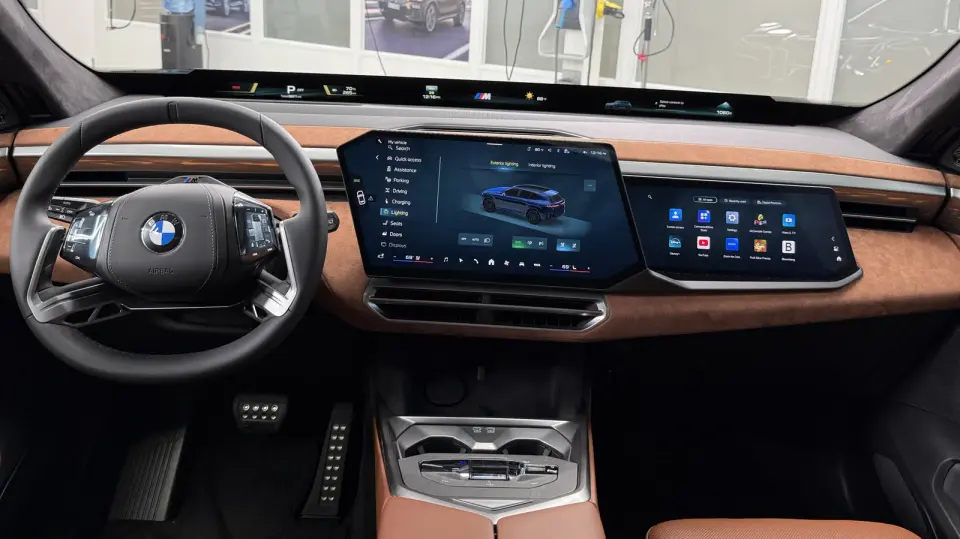
New York Governor Kathy Hochul signed a bill prohibiting automakers from charging subscription fees for vehicle features that use pre-installed hardware without incurring ongoing costs for the manufacturer. The law, effective February 27, 2027, targets practices like charging for heated seats or remote start but exempts services requiring continuous software or data updates.
Key points
- Governor Kathy Hochul signed legislation (S.9348A/A.10411A) banning post-purchase subscription fees for features using pre-installed hardware that does not require ongoing costs from the manufacturer or dealer.
- The law takes effect on February 27, 2027, and was passed by the New York State Senate with a 57-3 vote.
- Violators face civil penalties of up to $250 per point-of-sale for each violation, though the exact counting method remains unclear.
- The legislation explicitly targets hardware-based features such as heated seats, remote start, and 360-degree cameras, which previously faced subscription models in some markets.
- Exceptions include services relying on cellular data, telematics, satellite radio, and software-dependent driver assistance systems like Tesla’s Full Self-Driving or GM’s Super Cruise, which automakers may argue incur ongoing update costs.
Background
This development follows growing consumer backlash against automakers monetizing features already installed in vehicles, a practice criticized as deceptive. Earlier coverage noted that while BMW faced scrutiny for heated seat subscriptions in certain regions, the New York law specifically addresses hardware-based fees without ongoing provider costs. The move aligns with broader state efforts to increase price transparency and combat rising consumer costs, as highlighted by Attorney General Letitia James and Senator James Skoufis.
How outlets are covering it
Jalopnik and Car and Driver emphasize the law’s impact on hardware-based subscriptions like heated seats and remote start, noting that automakers may exploit loopholes by classifying software-dependent systems as 'connected' services. Ars Technica highlights a significant loophole: features requiring ongoing costs, such as enhanced navigation or hands-free driving systems, may still be subject to subscriptions due to continuous software updates. WRGB focuses on the consumer protection angle, quoting officials who frame the law as a measure against 'junk fees' and rising living costs. All sources agree on the effective date and the core prohibition but differ on the extent of the loophole for software-heavy features.
Why it matters
The law sets a precedent for regulating automotive subscription models, potentially influencing other states to adopt similar measures. It directly impacts consumer costs by ensuring that features already paid for at purchase are not re-charged, while leaving room for debate over software-dependent services. Automakers may face legal challenges in distinguishing between hardware and software costs, potentially reshaping how they market and price advanced vehicle features.
What to watch
Automakers and third-party providers have until February 27, 2027, to comply with the new regulations. Legal interpretations of 'ongoing costs' for software-dependent systems may lead to disputes or further legislative clarification. Other states may consider similar legislation if New York’s approach proves effective in reducing consumer complaints and increasing transparency in vehicle pricing.
- New York Just Banned Subscriptions For Features Your Car Already Has Jalopnik
- No more heated seat subscriptions for cars in New York from 2027 Ars Technica
- Hochul signs law barring fees to activate pre-installed car features in New York WRGB
- New York State Bans Automakers from Charging Subscriptions for Hardware Already Installed on Cars Car and Driver
- New York bans subscription fees for built-in vehicle features like heated seats Audacy
Want the full story? Read the original reporting
Read on Jalopnik