
Trump Signs Off on 34.5 mpg Standard, Reversing Biden EV Mandates
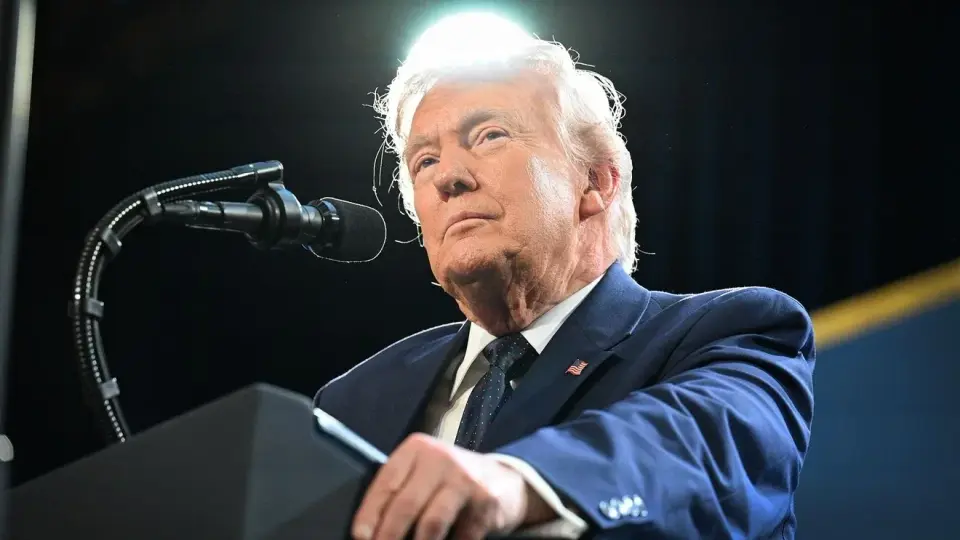
President Trump approved new Corporate Average Fuel Economy (CAFE) standards on September 26, 2026, replacing Biden-era rules that required 50.4 mpg by 2031. The new targets lower efficiency requirements to 34.5 mpg, effectively ending federal mandates for electric vehicle adoption. While the move aims to lower car prices and boost domestic manufacturing, critics argue it weakens U.S. competitiveness against global EV trends.
Key points
- Trump approved new CAFE standards on September 26, 2026, via a Truth Social post.
- The new rules lower the fleetwide average efficiency target to 34.5 mpg by 2031, down from 50.4 mpg under Biden.
- The policy reverses incentives for electric vehicles, allowing automakers to focus on more profitable SUVs and pickup trucks.
- Transportation Secretary Sean Duffy previously indicated the new standards would be sharply lower than previous policies.
- Recent legislative changes have removed penalties for non-compliance, limiting the enforcement power of the new rules.
Background
This decision follows a series of policy shifts in 2026 aimed at reversing Biden-era environmental regulations. Earlier coverage noted that the new 34.5 mpg target cuts efficiency requirements by nearly one-third. The move aligns with broader efforts to reduce federal mandates for electric vehicles, a campaign promise for Trump. Recent polls indicate that affordability remains a top concern for voters, with many blaming the current administration for economic conditions, though the impact of this specific policy on consumer costs is still being debated.
How outlets are covering it
WXLV and CNBC both report that Trump approved the new standards to reverse Biden’s stricter policies. CNBC emphasizes the potential for lower car prices and increased domestic manufacturing, citing Trump’s claim that manufacturers like General Motors and Ford want to build in the U.S. WXLV notes the lack of detailed final standards but confirms the rollback. Both sources acknowledge that while the new rules favor traditional gas vehicles, some automakers like General Motors have stated they will continue producing electric vehicles. Critics, as noted in background context, argue the move weakens U.S. competitiveness against global EV trends.
Why it matters
The rollback of fuel economy standards signals a significant shift in U.S. energy and environmental policy, potentially slowing the transition to electric vehicles. It may lower vehicle prices in the short term but could increase long-term environmental costs and reduce U.S. competitiveness in the global EV market. The move also reflects a broader trend of deregulation under the Trump administration, impacting both consumers and automakers.
What to watch
The final details of the new CAFE standards are not yet publicly available, but Transportation Secretary Sean Duffy has indicated they will be sharply lower than Biden-era policies. Automakers will likely adjust production lines to focus on more profitable SUVs and pickup trucks. The impact on electric vehicle sales and U.S. competitiveness in the global market will be monitored in the coming months.
- Trump says he approved rollback of Biden-era fuel economy rules, cutting mpg targets abc45.com
- Trump Administration Plans to Gut Clean Car Rules The New York Times
- Trump administration set to roll out lower fuel economy standards for cars, light trucks WOODTV.com
- Trump to unveil rollback of Biden fuel-economy mandates Monday Automotive News
- Trump says he approved new fuel economy standards, rolling back Biden-era rules CNBC
Want the full story? Read the original reporting
Read on abc45.com